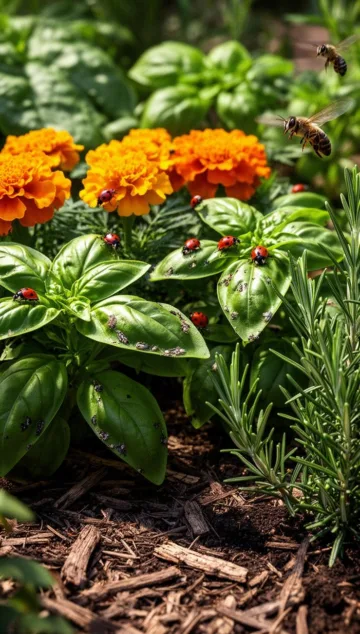
Winning the War on Bugs: Your Essential Summer Guardian Plan
Gardening is a labor of love, but when the heat of July hits, it often feels like an invitation for every insect in the county to feast on your hard work. Watching your vibrant tomato plants or delicate roses get shredded by uninvited guests is heartbreaking for any hobbyist. This summer pest control guide is designed to help you reclaim your backyard sanctuary without resorting to harsh chemicals that might harm your family or local pollinators. By understanding the ecosystem of your backyard, you can effectively manage common garden pest problems and ensure a bountiful harvest.
Identifying Your Summer Garden Rivals
Before you can fight back, you need to know who you are fighting. Not every bug is a villain; in fact, many are your greatest allies.
The Sucking Pests: Aphids and Whiteflies
Aphids are small, pear-shaped insects that cluster on the undersides of leaves, sucking out plant juices and leaving behind a sticky residue called honeydew. Whiteflies are similarly destructive, often taking flight in a tiny white cloud when you disturb a plant. Both can cause yellowing leaves and stunted growth.
The Chewers: Beetles and Caterpillars
Japanese beetles are notorious for skeletonizing leaves, leaving only the veins behind. Meanwhile, the tomato hornworm—a giant green caterpillar—can devour an entire plant’s foliage overnight. Catching these pests early is the key to preventing total crop loss.
The Stealthy Destroyers: Spider Mites
In hot, dry weather, spider mites flourish. You might not see the microscopic mites themselves, but you’ll notice fine webbing and a stippled, dusty appearance on the leaves of your beans, cucumbers, and ornamental flowers.
Actionable Step-by-Step Instructions for Pest Management
Managing an infestation requires a systematic approach. Follow these steps to implement a successful summer pest control guide routine and minimize your garden pest problems throughout the hottest months of the year.
Step 1: Daily Scouting and Monitoring
Spend ten minutes every morning with your coffee, looking under leaves and checking the “crotches” where stems meet. Early detection is 90% of the battle. Look for eggs, droppings (frass), or wilting stems that seem out of place.
Step 2: Physical Removal and Mechanical Barriers
For larger pests like squash bugs or hornworms, the “hand-pick and plop” method is most effective. Drop them into a bucket of soapy water. For smaller plants, use floating row covers early in the season to prevent insects from laying eggs on your crops.
Step 3: The Hard Blast Method
For aphids and spider mites, a strong stream of water from your garden hose is often enough to knock them off the plant. Once they are on the ground, they rarely find their way back up before predators find them.
Step 4: Applying Organic Controls
If the population is out of control, use insecticidal soaps or neem oil. Always apply these in the late evening after the sun has gone down to avoid burning the foliage and to protect bees, which are less active at dusk.
Tips from Experienced Gardeners
Seasoned pros know that a healthy garden is the best defense. Here are some “insider” tips to keep your plants resilient.
- Interplanting is key: Don’t plant all your “like” vegetables in one row. Mixing marigolds, onions, and garlic among your tomatoes can confuse pests looking for their favorite snack.
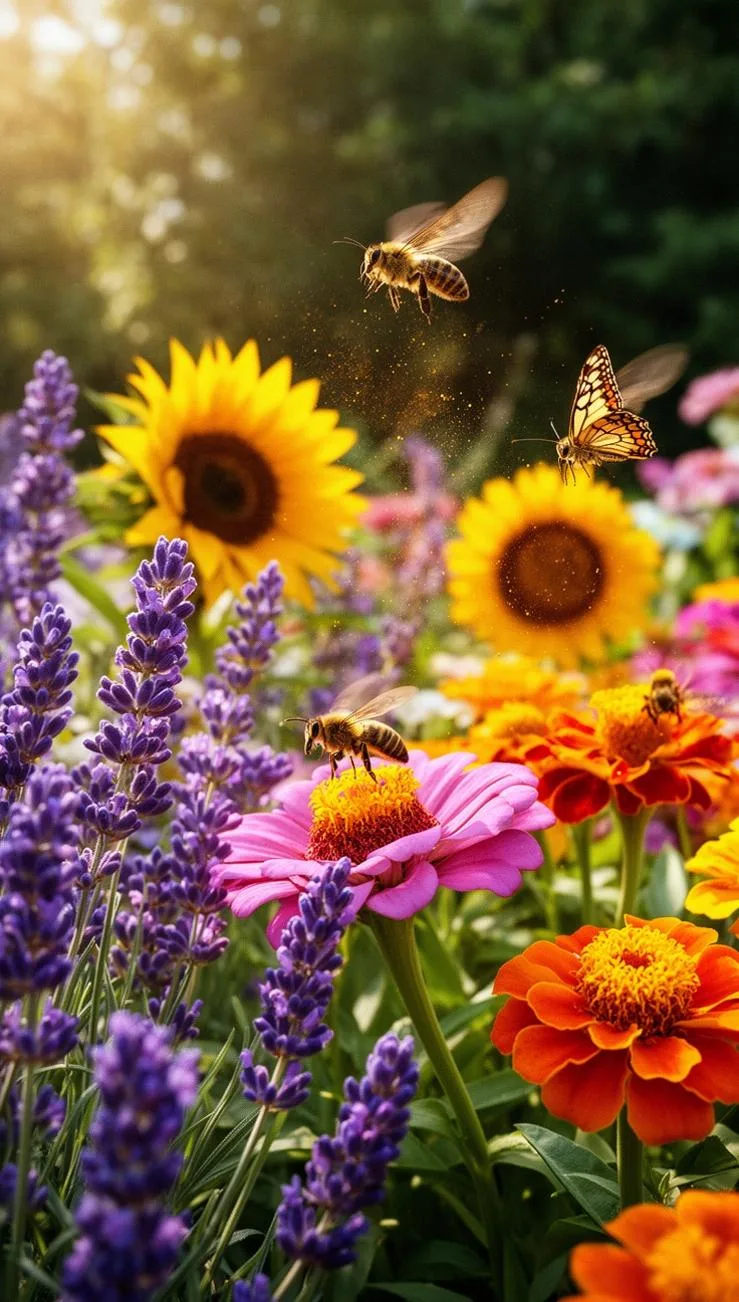
- Encourage the “Good Guys”: Plant dill, fennel, and yarrow. These flowers attract hoverflies and parasitic wasps, which act as natural “hitmen” for aphids and caterpillars.
- Mulch correctly: While mulch helps retain moisture, leaving a small gap between the mulch and the base of the plant stem prevents slugs and snails from having a direct “bridge” to your plant.
Common Mistakes to Avoid
Many gardeners accidentally make their pest issues worse by overreacting or using the wrong techniques.
Over-using Broad Spectrum Pesticides
Even “organic” pesticides can kill ladybugs, lacewings, and bees. If you wipe out the predators along with the pests, you’ll face an even larger infestation a few weeks later because there are no natural checks and balances left in your garden.
Over-fertilizing with Nitrogen
Pests love “succulent” growth. If you give your plants too much nitrogen, they produce lush, soft green stems that are like a Five-Star buffet for aphids. Stick to balanced, slow-release fertilizers.
Watering the Foliage
Wet leaves in the summer heat aren’t just a recipe for fungus; they also attract certain pests. Always water at the base of the plant to keep the leaves dry.
Tools or Materials Needed for Success
You don’t need a shed full of expensive equipment. A basic pest-fighting kit includes:
- A high-quality spray bottle: Consistent pressure is needed for applying neem oil or soap.
- Yellow sticky traps: Great for monitoring flying pests like fungus gnats or whiteflies.
- Hand-lens or magnifying glass: To see those tiny spider mites before they spread.
- A bucket of soapy water: For the manual removal of beetles and worms.
- Floating row covers: To protect young brassicas and squash.
Seasonal and Climate Considerations
Your strategy must change as the mercury rises. In high humidity, pests like snails and slugs are more prevalent, requiring copper tape or beer traps. In arid, drought-stricken areas, spider mites become the primary concern. Always adjust your watering schedule during heatwaves; a stressed, thirsty plant sends out chemical signals that actually attract pests from miles away. Keeping your plants hydrated is their first line of defense.
Benefits of Integrated Pest Management (IPM)
Why bother with these natural methods instead of a quick chemical spray?
1. Safety: You can harvest and eat your vegetables the same day without worrying about toxic residues.
2. Pollinator Health: You ensure that the bees and butterflies helping your garden grow stay healthy and productive.
3. Long-term Stability: By fostering a balanced ecosystem, your garden eventually begins to “self-regulate,” meaning you’ll spend less time fighting bugs every year.
Alternative Methods: Thinking Outside the Box
If standard methods aren’t working, consider these alternatives:
- Trap Cropping: Plant a “sacrificial” crop, like nasturtiums, away from your main garden. The aphids will flock to the nasturtiums, leaving your prized vegetables alone.
- Diatomaceous Earth (DE): This food-grade powder is made of fossilized algae. It’s sharp at a microscopic level and dehydrates crawling insects like ants and beetles. Note: It must be reapplied after rain.
- Reflective Mulch: Some gardeners use silver-colored mulch to disorient thrips and aphids, as the reflection of light confuses their navigation systems.
Conclusion
Maintaining a thriving backyard doesn’t have to be a constant struggle against nature. By staying observant and acting quickly using this summer pest control guide, you can keep your plants flourishing even in the peak of July heat. Remember that a few nibbled leaves are a sign of a healthy ecosystem, but by managing garden pest problems through organic and mechanical means, you protect the balance of your local environment. Stay consistent, keep your soil healthy, and enjoy the literal fruits of your labor knowing your garden is a safe haven for both you and the beneficial creatures that call it home.
Frequently Asked Questions
How often should I apply neem oil?
Generally, once every 7 to 14 days is sufficient for prevention. If you have an active infestation, you may need to apply it every 5 to 7 days, but always check the label for specific instructions.
Is it okay to have some bugs in my garden?
Yes! In fact, it is necessary. A “sterile” garden with zero bugs is actually unhealthy. You want a population of prey (pests) to keep your predators (ladybugs, birds, spiders) interested in staying in your yard.
Why are my squash plants wilting suddenly?
This is often a sign of the Squash Vine Borer. Check the base of the stem for a small hole and “sawdust” (frass). You may need to surgery-remove the larvae or use a syringe to inject Bt (Bacillus thuringiensis) into the stem.
Will soapy water kill my plants?
Most plants tolerate mild dish soap (not detergent) well. However, always test a single leaf 24 hours before spraying the whole plant, and never spray during the heat of the day, as this can cause sunscald.
What is the best time of day to hunt for pests?
Early morning is best for most pests, as they are often sluggish from the cooler night temperatures. However, for slugs and snails, a nighttime “patrol” with a flashlight is much more effective.