Summer Sun Saviors: How to Build a Lush Garden That Thrives in Rising Temperatures
The Challenge of High-Heat Gardening
Watching your garden wilt under the blazing afternoon sun can be heartbreaking. As global temperatures rise, more gardeners are finding that their traditional favorites are struggling to keep up with the intensity of July and August. However, a soaring thermometer doesn’t have to mean a brown, crispy yard. By choosing the right hot weather plants, you can create a vibrant, flowering oasis that looks its best when the sun is at its strongest. The secret lies in selecting plants for heat that have evolved to handle high UV exposure and limited water, allowing you to enjoy your outdoor space without constantly tethered to a garden hose.
Top Flowering Varieties for Intense Sun
Lantana: The Sun-Loving Powerhouse
Lantana is often the gold standard for high-temperature areas. These woody shrubs produce clusters of neon-bright flowers in shades of orange, yellow, pink, and red. They are incredibly resilient; in fact, they often bloom more vigorously as the temperature climbs. They are also excellent for attracting pollinators like butterflies and hummingbirds.
Zinnias: The Cutting Garden Hero
For those who want vibrant color for indoor arrangements, zinnias are a must-have. These annuals are famously easy to grow from seed. They thrive in full sun and actually prefer the heat of mid-summer to the cool dampness of spring. Just be sure to water them at the base to avoid powdery mildew on their leaves.
Cosmos: Delicate Beauty, Tough Spirit
Don’t let their wispy, fern-like foliage fool you. Cosmos are surprisingly tough. They can tolerate poor soil and intense sun while producing daisy-like blooms throughout the season. They are perfect for filling in gaps in a border and provide a soft, romantic look to a heat-hardy garden.
Hardy Foliage and Structural Plants
Sedum and Succulents
Succulents are designed by nature to store water in their fleshy leaves, making them the ultimate survivors. Varieties like ‘Autumn Joy’ sedum provide beautiful green structure in the summer and burst into rosy-pink blooms just as other plants begin to fade in the late season.
Ornamental Grasses
Grasses like Purple Fountain Grass or Mexican Feather Grass add movement and texture. They are exceptionally drought-tolerant once established and can handle the reflective heat from pavements or stone walls that might scorch more delicate species.
Edible Plants That Love the Heat
Okra: The Tropical Vegetable
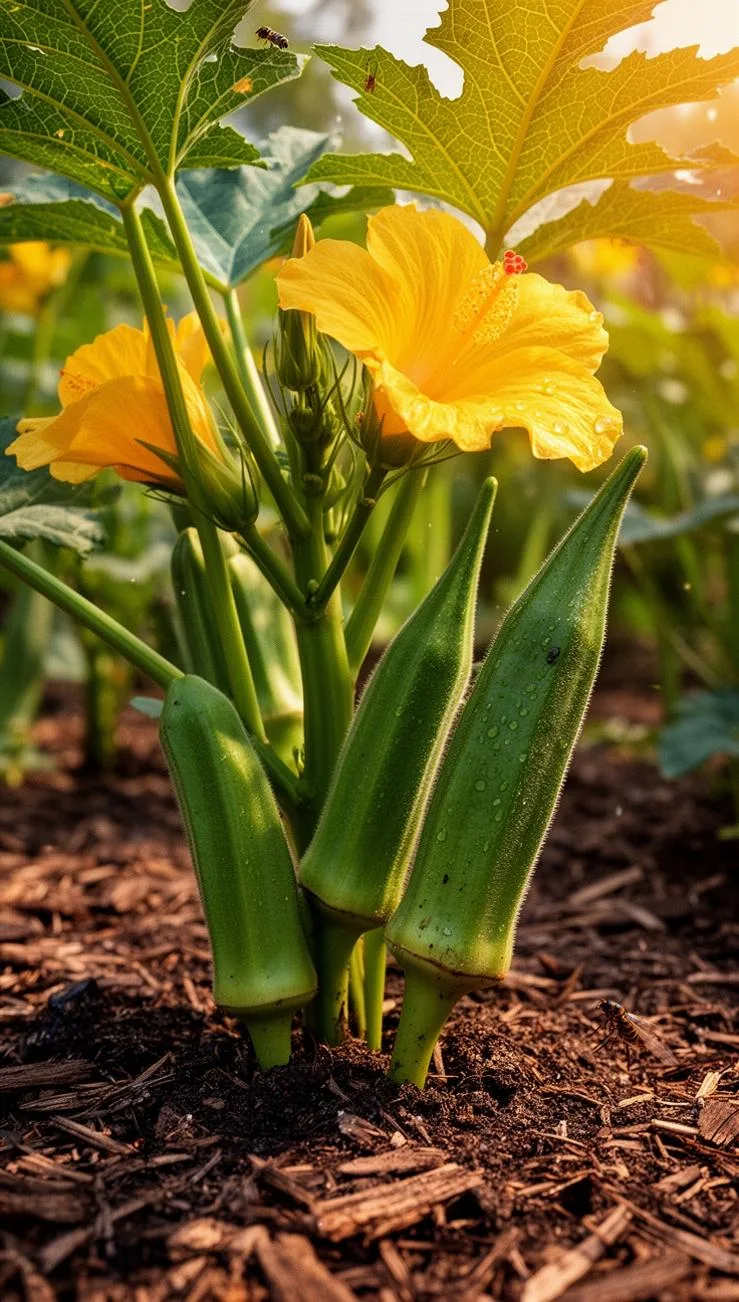
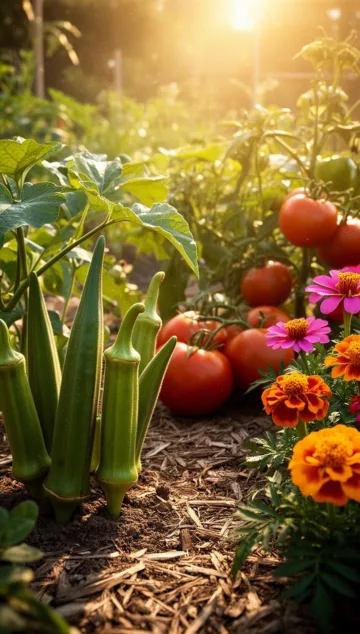
If you want to grow food during a heatwave, look to okra. Related to the hibiscus, okra produces beautiful creamy flowers and thrives in temperatures that would make a lettuce plant bolt instantly. It requires very little maintenance once the soil is warm.
Hot Peppers
While bell peppers are great, hot peppers like Habaneros or Thai chilis truly revel in the heat. Often, the flavor profile and capsaicin levels (the heat) of these peppers improve when the plants are grown in hot, sunny conditions.
Step-by-Step Instructions for Planting a Heat-Resistant Garden
Creating a sustainable landscape requires more than just buying the right species; it requires a strategic approach to planting and maintenance. Follow these steps to ensure your hot weather plants get the best start possible.
Step 1: Soil Preparation and Amendment
Before planting, mix organic compost into your soil. While many plants for heat tolerate poor soil, organic matter helps the ground retain moisture longer, providing a safety net during record-breaking temperatures.
Step 2: Timing Your Planting
Avoid planting during the heat of the day. Aim for an overcast morning or late evening. This reduces “transplant shock,” allowing the root system to settle without the immediate stress of direct, intense sunlight.
Step 3: The Deep Soak Technique
When you first put your plants in the ground, water them deeply. Instead of a light sprinkle every day, give them a heavy soak twice a week. This encourages roots to grow deeper into the cooler subsoil, where moisture lingers longer.
Step 4: Mulching for Moisture Retention
Apply a 2-to-3-inch layer of wood chips, straw, or pine bark around the base of your plants. Mulch acts as an insulator, keeping the soil temperature significantly lower and preventing evaporation.
Tips from Experienced Gardeners
Actionable advice from those who have spent years in the dirt can save you time and money. Here are a few “pro tips” for managing a high-heat landscape:
- Monitor the Leaf Curl: Many heat-tolerant plants will wilt slightly in the afternoon to protect themselves from moisture loss. Check them again in the evening; if they’ve perked back up, they don’t need water. If they stay wilted, it’s time to hydrate.
- Group by Thirst: Use “hydro-zoning.” Place the most drought-tolerant plants together and keep the thirstier varieties near a water source. This prevents overwatering the tough plants while trying to save the sensitive ones.
- Use Reflective Surfaces Wisely: Be careful planting next to white vinyl fences or light-colored brick walls, as these can reflect extra heat and light onto your plants, essentially “cooking” them from both sides.
Common Mistakes to Avoid
Overwatering in the Afternoon
Watering during the hottest part of the day is inefficient because much of the water evaporates before it reaches the roots. Furthermore, getting water on the leaves in midday sun can occasionally lead to leaf scorch in sensitive species.
Neglecting the Potting Mix
If you are gardening in containers, don’t use regular garden soil. It compacts and prevents drainage. Use a high-quality potting mix that includes perlite or vermiculite to ensure the roots can breathe even when the soil is moist.
Forgetting to Deadhead
For many flowering heat-lovers, removing spent blooms (deadheading) is essential. It signals the plant to put energy into new flowers rather than seed production, keeping your garden colorful all through September.
Tools or Materials Needed
To manage a garden in high temperatures effectively, you’ll need a few specific items:
- Soaker Hoses: These deliver water directly to the soil, reducing waste and keeping foliage dry.
- Moisture Meter: A simple tool that tells you exactly how dry the soil is at the root level.
- Shade Cloth: Useful for protecting young plants or cooler-season vegetables during an unexpected heat spike.
- Pruning Shears: To remove dead material and keep plants airy, which improves circulation.
Seasonal and Climate Considerations
It is important to remember that “heat-tolerant” doesn’t always mean “frost-tolerant.” Many of the best performers in the sun are tropical by nature. If you live in a zone with cold winters, plants like Lantana or Hibiscus may need to be treated as annuals or brought indoors during the first frost.
Additionally, consider the humidity of your climate. High-heat plants for the desert (like Agave) have different needs than those for the humid Southeast (like Vinca). Ensure your choices match your specific humidity levels to avoid fungal issues.
Benefits of High-Heat Gardening
Transitioning to a garden that embraces the warmth offers several advantages:
- Lower Water Bills: Once established, these plants require significantly less supplemental irrigation.
- Low Maintenance: Many heat-thriving species are naturally pest-resistant and don’t require constant fussing.
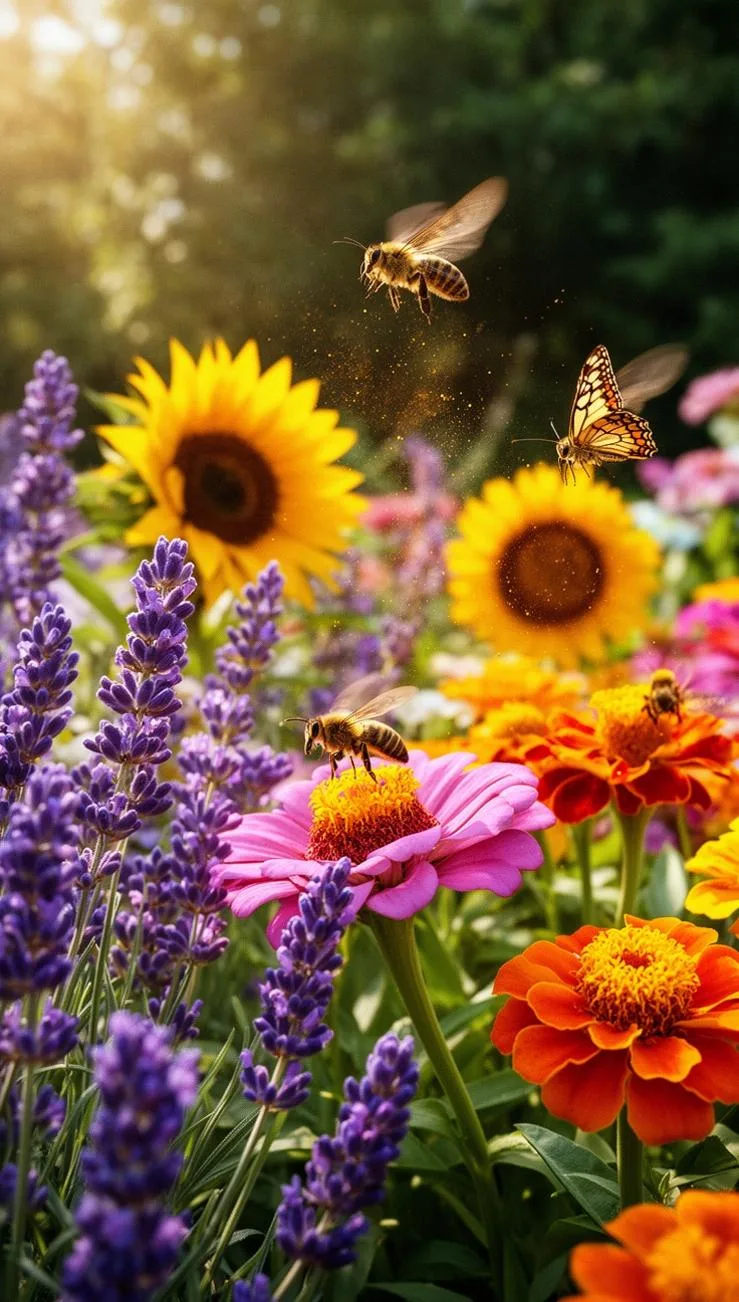
- Pollinator Support: Hot-weather blooms are often rich in nectar, providing a vital food source for bees and butterflies when other sources have dried up.
- Visual Longevity: Your garden will remain lush and green while your neighbors’ traditional lawns and gardens may turn brown.
Alternative Methods: Xeriscaping and Rock Gardens
If you want to take your heat gardening to the next level, consider Xeriscaping. This is a landscaping method designed specifically for arid climates that eliminates the need for supplemental irrigation. It involves using rocks, gravel, and native plants to create a beautiful, “zero-water” environment.
Alternatively, a Rock Garden utilizes the thermal mass of stones to create unique microclimates. Smaller alpine plants or succulents can thrive in the crevices between rocks, which provide shade for the roots while the foliage enjoys the sun.
Conclusion
Gardening in a changing climate requires us to be adaptable and observant. By intentionally selecting hot weather plants, you shift from fighting against nature to working with it. Whether you are planting vibrant Zinnias to brighten your porch or using ornamental grasses to add structure to your yard, choosing plants for heat ensures that your outdoor sanctuary remains a place of joy rather than a source of stress. Start small, mulch heavily, and enjoy the beauty of a garden that loves the sun as much as you do.
Frequently Asked Questions
1. How often should I water heat-tolerant plants?
While they are “tough,” new plants need daily water for the first two weeks. Once their roots are established (usually after one full season), you can often cut back to watering once or twice a week, even in high heat.
2. Can these plants grow in pots?
Yes! However, containers dry out much faster than the ground. You may need to water potted heat-lovers daily, or use “self-watering” pots to keep moisture levels consistent.
3. Do heat-tolerant plants need fertilizer?
Most do better with less. Over-fertilizing in the summer can cause a flush of tender new growth that is easily damaged by the sun. Use a slow-release fertilizer in early spring instead.
4. What is the best mulch for hot weather?
Natural wood chips or shredded bark are best. Avoid using rocks or gravel close to sensitive plants, as stones absorb and radiate heat, which can stress the plant’s root system.
5. Why are my heat-tolerant plants turning yellow?
This is often a sign of overwatering rather than underwatering. In high heat, the soil can become compacted, and too much water can drown the roots. Always check the soil moisture 2 inches down before adding more water.