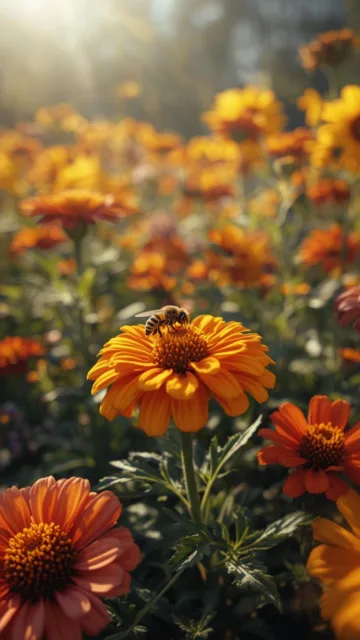
Article Title: Sun-Kissed Petals: The Ultimate Guide to Late Spring and Summer Blooms
Embracing the Heat: Why June is the Perfect Month for Your Garden
As the spring rains fade and the days stretch toward their longest point, gardeners often find themselves in a unique transition period. While May is traditionally the busiest month for get-back-to-the-earth projects, June offers a golden opportunity for those who want to extend their floral displays deep into the autumn months. Knowing which june flowers to plant can be the difference between a garden that fades by July and one that erupts in a second wave of vibrant color. This is the prime time for summer flower planting, as the soil has finally reached a consistent temperature that encourages rapid root development and soaring stems.
Whether you are looking to fill gaps where your tulips once stood or you are starting a brand-new container garden on your patio, the options available this month are diverse and resilient. June gardening is about more than just aesthetics; it is about choosing heat-tolerant varieties that can withstand the upcoming humidity and dry spells. In this guide, we will explore the best species to settle into the earth right now and how to ensure they thrive throughout the sun-drenched weeks ahead.
The Best Floral Candidates for Your June Garden
Zinnias: The Cutting Garden Hero
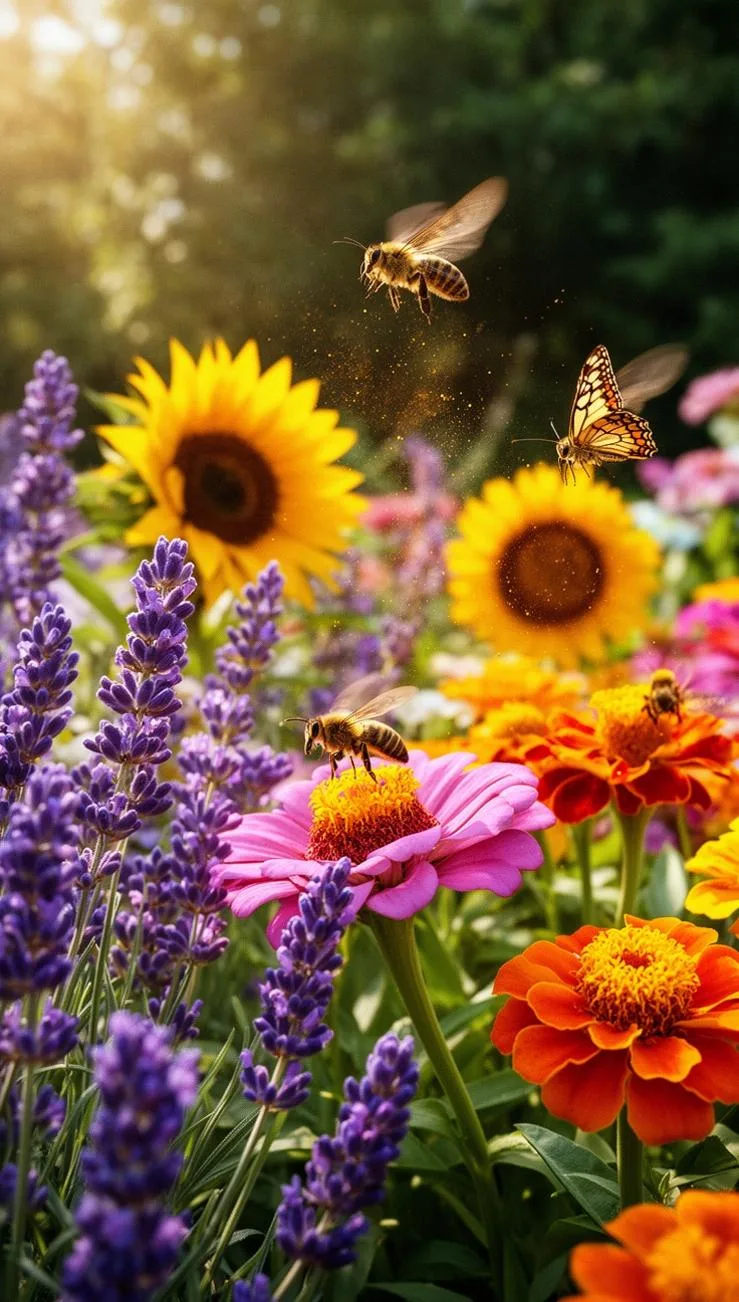
Zinnias are perhaps the most rewarding flowers for the early summer season. They are incredibly easy to grow from seed, often sprouting within just a few days. Because they love the warmth, they thrive when planted in June. These flowers come in nearly every color imaginable and provide a continuous supply of blooms for indoor arrangements. The more you cut them, the more they bloom!
Marigolds: Nature’s Pest Control
Available in fiery oranges, deep reds, and bright yellows, marigolds are a staple for a reason. They have a pungent scent that many garden pests—like aphids and even rabbits—dislike. Planting them now ensures they will be large and hardy by the time the mid-summer heat hits its peak.
Sunflowers: Reaching for the Sky
If you haven’t put your sunflowers in the ground yet, don’t worry. June is actually an ideal time for successional planting. By starting sunflowers now, you’ll have towering beauties in late August and September when other plants are starting to wind down. Choose from “Mammoth” varieties for height or “Teddy Bear” types for a fuzzy, shorter look.
Celosia: Unique Textures and Bold Hues
Celosia, often called Cockscomb, offers architectural interest that few other flowers can match. With varieties that look like brains, fans, or feathery plumes, they are heat-lovers through and through. They require very little maintenance once established and keep their color even in intense sunlight.
Step-by-Step Instructions for Success
Getting your hands in the dirt is the best part of the process, but following a specific order of operations will guarantee better results. When selecting your june flowers to plant, remember that the sun is stronger now than it was in April, so hydration and timing are everything. Follow these steps to master your summer flower planting routine:
- Site Preparation: Clear out any spent spring annuals or weeds. Loosen the soil to at least 6 inches deep and mix in a healthy amount of organic compost to provide nutrients.
- Sowing and Transplanting: If planting from seed, follow the depth instructions on the packet (usually 1/4 inch for most summer annuals). If using nursery starts, dig a hole twice as wide as the root ball and level with the soil surface.
- Timing the Plant: Try to plant on a cloudy day or in the late afternoon. This prevents the “transplant shock” that occurs when a young plant is thrust into the midday June sun.
- Initial Watering: Water the new additions immediately after planting. Use a gentle spray to settle the soil around the roots without washing away seeds.
- Mulching: Apply a 2-inch layer of shredded bark or straw around the base of the plants. This is crucial in June to keep the soil cool and prevent moisture from evaporating too quickly.
Tips from Experienced Gardeners
Deadheading is Your Best Friend
The secret to a garden that lasts until October is “deadheading”—the process of removing faded flowers. This prevents the plant from putting energy into seed production and instead forces it to produce more blooms. Keep a sharp pair of snips in your pocket every time you walk the garden.
Soil Temperature Matters
In June, the soil is warm enough to direct-sow seeds that would have rotted in the cold April ground. If you are planting tropicals like Hibiscus or Canna Lilies, ensure the nighttime temperatures are consistently above 60°F (15°C) to prevent growth stunting.
Fertilize for Longevity
Summer bloomers are hungry. Use a water-soluble fertilizer with a high middle number (Phosphorus) every two weeks. This encourages flower production rather than just green leafy growth.
Common Mistakes to Avoid
Underestimating Water Needs
June can have deceptive dry spells. Many gardeners water the surface, but the roots remain dry. Ensure you are watering deeply enough that the moisture reaches at least three inches below the surface.
Crowding the Plants
It is tempting to pack plants together for an instant full look. However, summer heat brings humidity, and humidity brings fungus (like powdery mildew). Give your plants enough space for air to circulate between the leaves.
Ignoring the “Hardening Off” Process
If you grew seedlings indoors or bought them from a climate-controlled greenhouse, don’t put them directly into the 90-degree sun. Place them in a shaded spot for a few hours a day for a week to get them used to the intensity of the outdoors.
Tools or Materials Needed
Before you head out to the garden bed, make sure you have these essentials ready:
- Hand Trowel: For digging precise holes for transplants.
- Garden Hoe: To manage the June weed surge.
- Soaker Hose: The most efficient way to water summer beds without getting foliage wet.
- Organic Compost: To replenish nutrients used up by spring growth.
- Garden Gloves: To protect your hands from thorns and soil-borne irritants.
- Pruning Shears: For deadheading and harvesting bouquets.
Seasonal and Climate Considerations
The Heat Factor
Depending on your USDA Hardiness Zone, June may feel like mid-summer or just the beginning of spring. In Southern zones, focus on heat-loving perennials like Lantana. In Northern zones, this is the prime time for tender annuals like Impatiens and Begonias that cannot tolerate a hint of frost.
Pest Cycles
June is when Japanese Beetles and Aphids often make their first appearance. Keep a close eye on the undersides of leaves. Identifying a pest early is much easier than dealing with an infestation in July.
Benefits of Planting in June
While many people think the planting season is over by the time school is out, June offers distinct advantages:
- Faster Growth: Plants grow exponentially faster in warm soil than in cold soil. A June-planted zinnia will often catch up to a May-planted one within weeks.
- Nursery Sales: Many garden centers begin discounting their stock in June, meaning you can fill your beds for half the price of the spring rush.
- Pollinator Support: By planting now, you provide late-season food for bees and butterflies exactly when they need it most—as natural wildflower sources begin to dry up.
Alternative Methods: Container Gardening
If your garden beds are already full, don’t overlook container gardening. Pots and whiskey barrels are perfect for June additions. Because you can control the soil quality and move the pots into the shade during extreme heat waves, containers are often more successful for high-maintenance flowers like fuchsias or delicate calibrachoa.
For a successful June container, use a “Thrill, Fill, and Spill” strategy. Place a tall plant (like a Canna Lily) in the center, fill the space with medium-height mounding plants (like Geraniums), and allow trailing plants (like Sweet Potato Vine) to spill over the edges.
Final Thoughts for a Vibrant Season
June is far from the end of the gardening road; rather, it is the start of a new chapter filled with color and life. By carefully selecting the right june flowers to plant, you ensure that your outdoor space remains a sanctuary of beauty through the hottest months of the year. Consistency is the hallmark of a great gardener, so stay on top of your summer flower planting schedule by checking soil moisture daily and removing spent blooms weekly. With a little bit of sweat and the right choice of heat-tolerant species, your garden will be the envy of the neighborhood well into the falling leaves of autumn.
Frequently Asked Questions
1. Can I still plant perennials in June?
Yes, you can! However, perennials planted in June will require much more frequent watering than those planted in the spring. They need time to establish their root systems before the harsh mid-summer heat arrives.
2. Is it too late to grow flowers from seed in June?
Not at all. Fast-growing annuals like Cosmos, Zinnias, and Sunflowers thrive when direct-sown in June’s warm soil and will usually bloom by late July or early August.
3. What are the best drought-tolerant flowers for June?
Lantana, Portulaca (Moss Rose), and Sedum are excellent choices. Once their roots are established, they can handle several days without a deep watering.
4. How often should I water my new June plants?
For the first two weeks, check the soil daily. If the top inch is dry, water them. Once they are established, you can usually transition to deep watering 2-3 times per week, depending on the heat.
5. Why are my plants drooping in the afternoon sun?
This is often “transpiration stress.” Even if the soil is wet, the plant can’t pull water up fast enough to keep up with evaporation from the leaves. If they perk up after the sun goes down, they are likely okay!