The Ultimate Guide to Reclaiming Your Backyard: Strategic Weed Management for Lush Landscapes
Why Weeding is the Secret to a Thriving Garden
Every gardener knows the feeling: you spend a weekend planting beautiful perennials and nutritious vegetables, only to return a few days later to find a sea of unwanted green invaders. Managing a weed control garden is about more than just aesthetics; it is about ensuring your prized plants have access to the nutrients, water, and sunlight they need to thrive. When weeds take over, they act as competitors, often outgrowing your flowers and stealing resources from the soil.
Many beginners feel overwhelmed by the sheer volume of growth, but the key is consistency and technique. By shifting your focus toward natural weed control, you can maintain a healthy ecosystem without relying on harsh chemicals that might harm your local pollinators or the quality of your soil. In this guide, we will explore the best ways to keep your garden beds clean, productive, and beautiful all year round.
Understanding Your Enemy: Types of Garden Weeds
Annual Weeds: The Fast Movers
Annual weeds, such as chickweed or crabgrass, complete their entire life cycle in a single season. They produce thousands of seeds that can lay dormant in your soil for years. The trick here is to pull them before they go to seed. If you see a flower on a weed, time is running out!
Perennial Weeds: The Deep Rooters
Perennials like dandelions, thistle, and bindweed are much trickier. These plants have deep taproots or underground runners (rhizomes). If you leave even a small piece of the root in the ground, the plant will regenerate. These require a more persistent approach to ensure the entire root system is removed.
Cultural Practices to Prevent Weed Growth
The Power of Mulching
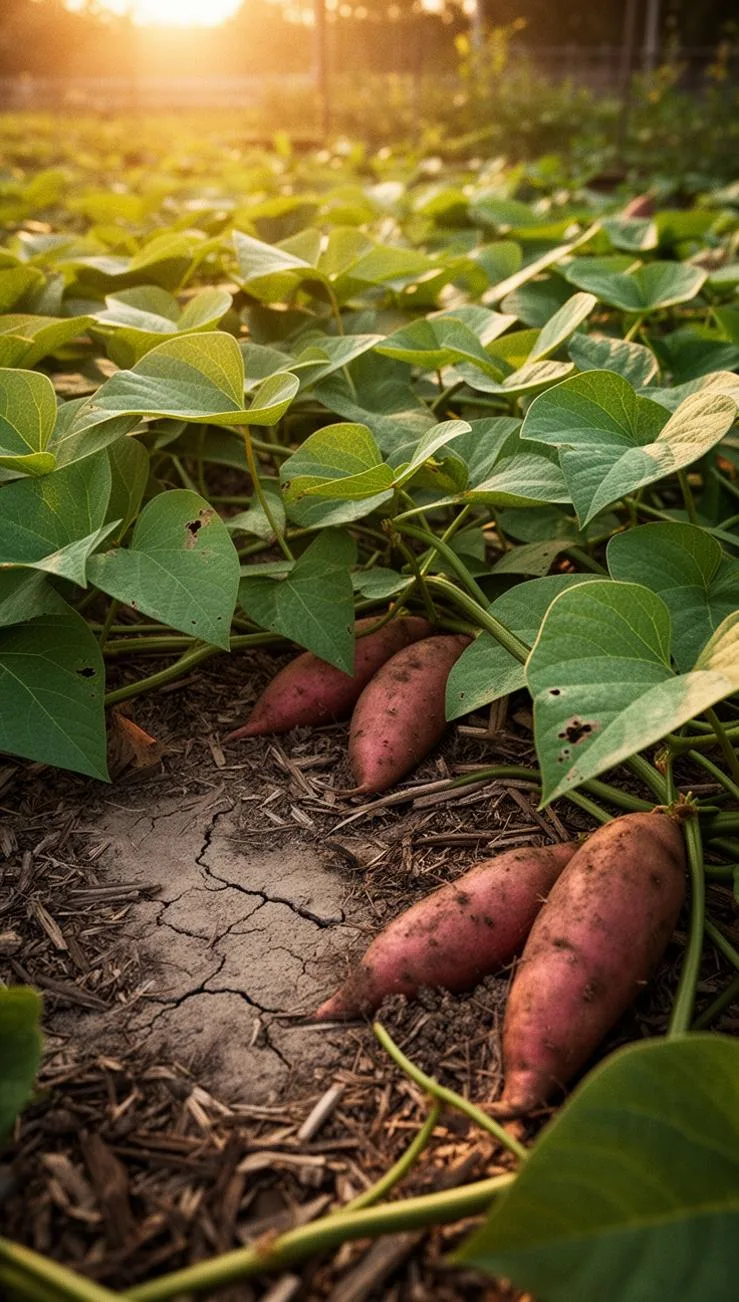
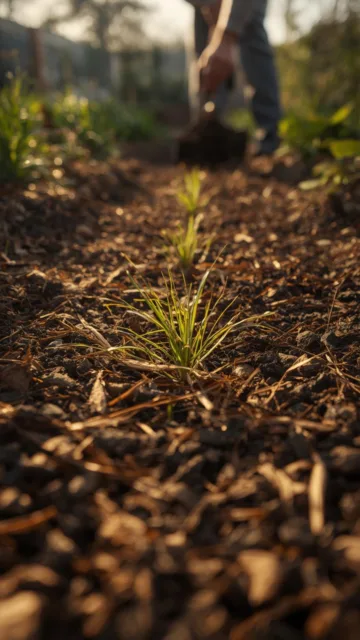
Mulch is a gardener’s best friend. By covering the soil with a 2- to 3-inch layer of organic matter—like wood chips, straw, or shredded leaves—you block the sunlight that weed seeds need to germinate. As a bonus, mulch helps retain soil moisture and improves soil quality as it breaks down.
Dense Planting Techniques
Nature abhors a vacuum. If you leave large patches of bare soil, weeds will move in. By planting your flowers or vegetables closer together (following the spacing recommendations on your seed packets), you create a living canopy that shades out potential weed growth. This is often called “living mulch.”
Step-by-Step Instructions for Weekly Maintenance
Maintaining a weed control garden doesn’t have to be a full-day chore if you follow a structured routine. Success lies in catching growth early and using natural weed control methods that preserve the integrity of your soil.
Step 1: Inspect Your Soil Moisture
Routine weeding is easiest after a rain or a deep watering session. Moist soil allows the roots to slide out easily. If the soil is bone-dry, you are more likely to snap the stem off, leaving the root behind to regrow.
Step 2: Identify and Prioritize
Walk through your garden and identify which weeds are nearing their flowering stage. Prioritize these first to prevent them from “going to seed,” which can lead to hundreds of new weeds next season.
Step 3: Choose the Right Tool
For small, shallow-rooted annuals, a hand hoe or a “cobra head” weeder works wonders. For deep taproots like dandelions, use a long-handled weeding tool to reach deep into the earth and pry the entire root out vertically.
Step 4: Dispose of Weeds Properly
Never put weeds with seeds or invasive roots into your standard compost pile. Most home compost bins do not get hot enough to kill weed seeds. Instead, bag them for municipal green waste or create a separate “weed rot” pile far away from your garden beds.
Step 5: Mulch the Gaps
Once you have cleared an area, immediately cover the bare soil with fresh mulch. This prevents new seeds from finding a home in the disturbed earth you just turned over.
Tips from Experienced Gardeners
“Offense is the Best Defense”
Veteran gardeners often suggest “weeding by the minute, not by the hour.” If you spend just 10 minutes every time you go out to harvest or water, you can stay ahead of the growth. Never let a weed get “comfortable” in your garden.
Edging Matters
Maintaining a clean edge between your lawn and your garden beds is vital. Grass is one of the most aggressive weeds in a garden. Use a sharp spade or an edging tool to create a physical trench that prevents grass roots from creeping into your flower beds.
Common Mistakes to Avoid
Tilling Too Deeply
While it’s tempting to rototill the whole garden to “clear it out,” this often does more harm than good. Tilling brings buried weed seeds to the surface where they are exposed to light and triggered to grow. Aim for “no-dig” methods whenever possible.
Waiting for Weeds to Get Large
It is much easier to kill a “thread-stage” weed (a tiny sprout) with a quick stir of a hoe than it is to pull a mature plant. Don’t wait for them to become visible from the kitchen window before you take action.
Leaving Bare Earth
Bare soil is an invitation for disaster. If you aren’t ready to plant, cover the area with a tarp, cardboard, or a thick layer of mulch to “smother” the ground until you are ready for your next crop.
Tools and Materials Needed
The Hand Weeder
A basic hand trowel or a specialized dandelion fork is essential for close-up work in crowded flower beds. Look for ergonomic handles to reduce wrist strain.
The Hula Hoe (Stirrup Hoe)
This tool is a game-changer for vegetable rows. It features a swivel blade that cuts weed roots just below the surface on both the push and pull stroke.
Landscape Fabric vs. Cardboard
While landscape fabric is popular, many organic gardeners prefer using recycled cardboard. It acts as a heavy-duty weed barrier but eventually biodegrades, adding carbon back into your soil.
Seasonal and Climate Considerations
Spring: The Initial Push
In the spring, as temperatures rise, you will see a flush of growth. This is the most critical time to be vigilant. Removing winter annuals before they seed in April or May will save you hours of work in July.
Summer: The Heat Struggle
During the hot summer months, weeds like purslane and pigweed thrive. Make sure your mulch layers haven’t thinned out. If you live in a dry climate, weeds will often congregate near your irrigation emitters—check those spots frequently!
Benefits of Proactive Weed Management
Beyond just looking “tidy,” a well-managed garden is healthier. Without weeds, there is better airflow between your plants, which significantly reduces the risk of fungal diseases like powdery mildew. Furthermore, many weeds act as hosts for common garden pests like aphids and whiteflies. By removing the weeds, you are also removing the “hotels” where pests live before they move onto your vegetables.
Alternative Methods: Heat and Vinegar
Flame Weeding
Using a propane torch to “wither” weeds is an effective method for cracks in sidewalks or gravel paths. You don’t need to turn the weed to ash; just enough heat to burst the plant’s cells will cause it to die within hours.
Horticultural Vinegar
Standard kitchen vinegar is usually 5% acidity, which might curb some weeds. However, horticultural vinegar (20% acidity) is a potent desiccant. Use this carefully, as it will kill any green plant it touches, not just the weeds!
Closing Thoughts on Sustainable Gardening
Building a successful weed control garden is a journey of patience and observation. While it might seem like a never-ending battle, implementing natural weed control strategies—like heavy mulching, tight plant spacing, and the “pull as you go” philosophy—will eventually lead to a garden that requires less work over time. Remember, the goal isn’t necessarily a 100% weed-free space, but rather a balanced environment where your desired plants have the upper hand. Keep your tools sharp, your soil covered, and your spirits high!
Frequently Asked Questions
1. Does boiling water really kill weeds?
Yes, boiling water is a great way to kill weeds in sidewalk cracks or between pavers. It literally cooks the plant tissue. However, be careful not to splash it on your “good” plants, as it is non-selective and will damage anything it touches.
2. Can I use newspaper as a weed barrier?
Absolutely! Using 4-5 layers of black-and-white newspaper (avoid the glossy ad inserts) under a layer of mulch is an excellent way to smother existing weeds. It’s an eco-friendly alternative to plastic barriers.
3. Why do weeds keep coming back in the same spot?
This usually happens because the root wasn’t fully removed (common with perennials like dandelions) or because there is a “seed bank” in your soil. Every time you dig, you bring new seeds to the surface.
4. Is “weed fabric” bad for the soil?
Many horticulturists advise against it in long-term garden beds because it can prevent organic matter like mulch from integrating into the soil. It can also become a mess if weeds start growing on top of the fabric.
5. Are all weeds bad?
Not necessarily. Some “weeds” like clover fix nitrogen in the soil, and others like dandelions are important early-season food for bees. Many gardeners choose to leave a small “wild” patch at the edge of their lawn for biodiversity.