Vertical Victory: How to Master the Garden Trellis for Perfect Cucumbers
There is nothing quite like the crunch of a fresh cucumber plucked straight from the garden on a hot July afternoon. However, many gardeners quickly learn that these vigorous vines can easily take over a backyard, sprawling across paths and hiding their fruit under a dense canopy of leaves. If you have been struggling with yellowing fruit, powdery mildew, or a lack of space, it is time to look up. When you learn how to grow cucumbers trellis style, you unlock a world of garden efficiency and healthier plants. This comprehensive cucumber trellis guide will walk you through the transition from ground-level chaos to a vertical masterpiece, ensuring your harvest is cleaner, easier to pick, and more abundant than ever before.
The Benefits of Growing Vertically
Maximizing Small Garden Spaces
For most backyard gardeners, square footage is the most valuable resource. Standard slicing and pickling cucumbers can trail for six to eight feet if left to their own devices. By training them upward, you reduce their footprint to a mere square foot of soil. This leaves more room for peppers, tomatoes, and herbs.
Improved Air Circulation and Disease Prevention
Cucumbers are notoriously susceptible to fungal diseases like powdery mildew and downy mildew. When vines are bunched up on the damp ground, moisture stays trapped against the leaves. Vertical growth ensures that air flows freely around every leaf and stem, allowing morning dew to evaporate quickly and keeping the plants vibrant and green.
Easier Harvesting and Pest Control
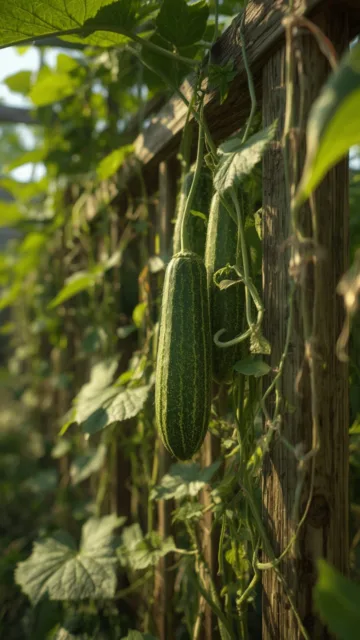
Have you ever missed a cucumber only to find a giant, yellow, bitter “blimp” three days later? Growing on a trellis keeps the fruit at eye level. It is much harder for a cucumber to hide when it is hanging in mid-air. Additionally, keeping the fruit off the soil protects it from slugs, sowbugs, and soil-borne rotting.
Selecting the Right Cucumber Varieties
Vining vs. Bush Varieties
Before you build your structure, check your seed packet. “Bush” varieties are bred to stay compact and do not require a trellis. However, if you want the best results for vertical gardening, you must choose “Vining” varieties. These plants produce long tendrils—tiny, curly appendages that act like hands to grab onto wire and wood.
Slicers, Picklers, and Specialties
Almost any vining cucumber will thrive on a trellis. “Marketmore 76” is a classic slicer that loves to climb. For those who enjoy canning, “Boston Pickling” is a heavy producer. If you want something unique, try the “Lemon Cucumber” or the “Armenian Cucumber,” both of which produce stunning visual displays when hanging from a support.
Essential Tools and Materials
To get started, you will need a few basic supplies. You don’t need to be a master carpenter to build a functional support system. Here is a list of what most successful vertical gardeners keep on hand:
- Support Structure: Cattle panels, A-frames, or nylon netting.
- Fasteners: Garden twine, soft plant ties, or even strips of old t-shirts.
- Soil Amendments: High-quality compost and organic 5-10-10 fertilizer.
- Mulch: Straw or shredded leaves to keep moisture in the ground.
- Post Driver or Hammer: If you are using T-posts or wooden stakes.
Step-by-Step Instructions for Success
Setting up your vertical garden requires a bit of planning, but the effort pays off tenfold during harvest season. Follow these steps to grow cucumbers trellis fashion and create your most productive garden yet. Remember that the timing of your setup is key; it is always better to have the support in place before the seeds even sprout to avoid disturbing young roots later.
1. Choose Your Location
Cucumbers need at least 6 to 8 hours of full sun. Since your trellis will be tall, place it on the north side of your garden so it doesn’t shade your other sun-loving plants. Ensure the soil is well-draining and rich in organic matter.
2. Install the Trellis
Secure your chosen structure firmly into the ground. If using a cattle panel, drive T-posts at least 12 inches into the earth to support the weight of the heavy vines and fruit. This cucumber trellis guide recommends an A-frame design if you want to grow lettuce underneath the shade of the cucumber leaves during the heat of summer.
3. Planting the Seeds
Sow seeds directly at the base of the trellis once the soil has warmed to at least 65°F (18°C). Space seeds about 6 inches apart. Once they are 3 inches tall, thin them to one plant every 12 inches. This gives each vine plenty of room to breathe as it climbs.
4. Training the Vines
As the plants grow, they may need a little help finding the trellis. Once the vine is about 6 to 10 inches long, gently lean it against the support. You can use a piece of garden twine to loosely tie the main stem to the wire. Within a few days, the plant’s tendrils will wrap around the support and take over the climbing duty.
Tips from Experienced Gardeners
After years of trial and error, veteran gardeners have discovered a few “secret” tricks to boost yields. First, consider “bottom pruning.” Remove the first few lateral runners and any leaves touching the ground. This forces the plant to put its energy into upward growth and further reduces the risk of disease.
Second, stay on top of the harvest. The more you pick, the more the plant produces. If you leave fruit to over-ripen on the vine, the plant receives a signal that it has finished its life cycle (producing seeds) and will stop growing new cucumbers.
Common Mistakes to Avoid
Using Weak Supports
A common mistake is using a flimsy plastic trellis or thin bamboo stakes. By August, a healthy cucumber vine is incredibly heavy, especially after a rainstorm. Ensure your trellis is sturdy enough to withstand wind and weight.
Overcrowding the Plants
It is tempting to plant many seeds to ensure a big harvest, but overcrowding leads to poor air circulation and smaller fruit. Stick to the recommended spacing of 12 inches between plants to keep the “vertical forest” manageable.
Ignoring Pollinators
Most cucumbers require bees to move pollen from male to female flowers. If you don’t see bees, your fruit won’t develop. Avoid using harsh pesticides and consider planting marigolds or zinnias nearby to attract honeybees and bumblebees.
Seasonal and Climate Considerations
Cucumbers are heat-loving tropical plants. In northern climates, wait until all danger of frost has passed before planting. If you have a short growing season, you can start seeds indoors in peat pots 3 weeks before the last frost. In southern climates, you can often get two crops: one in the spring and another in the late summer for a fall harvest.
During extreme heat waves (over 95°F), cucumber pollen can become sterile. If you notice flowers dropping without forming fruit, provide a bit of afternoon shade using a 40% shade cloth draped over your trellis until the temperatures drop.
Alternative Methods for Vertical Support
The String Method
Commercial greenhouse growers often use the “lower and lean” string method. They hang a string from a high overhead beam and twist the cucumber vine around the string as it grows. This is a very clean and professional-looking setup for high-quality slicers.
The Archway Trellis
If you want a “secret garden” feel, use a cattle panel to create an arch between two raised beds. Walking under a tunnel of hanging cucumbers is not only beautiful but makes harvesting incredibly easy as the fruit hangs directly over your head.
Conclusion
Switching to vertical gardening is one of the most rewarding upgrades you can make to your vegetable patch. When you grow cucumbers trellis style, you create a cleaner environment for your plants and a more enjoyable experience for yourself. By following this cucumber trellis guide, you are setting yourself up for a season filled with crisp, disease-free cucumbers and a garden that looks as organized as it is productive. Get your supports in place, choose your favorite vining variety, and enjoy the sights of a lush, vertical harvest this summer.
Frequently Asked Questions
1. How high should a cucumber trellis be?
Most vining cucumbers will easily reach 5 to 6 feet in height. Aim for a trellis that is at least 5-6 feet tall to give the plants enough room to expand without flopping over the top.
2. Do I need to tie the cucumbers to the trellis?
In the beginning, yes. Once the plant develops its curly tendrils, it will climb on its own. However, if you are growing a very heavy variety, you might want to occasionally secure the main stem with soft ties for extra support.
3. Can I grow cucumbers on a trellis in containers?
Absolutely! Use a large pot (at least 5 gallons) and place a tomato cage or a small fan trellis directly into the pot. Make sure the container is heavy enough so it doesn’t tip over when the plant gets tall.
4. What if my cucumbers are not climbing?
Double-check that you didn’t accidentally plant a “bush” variety. If it is a vining type, it might just need a little nudge. Manually weave the tip of the vine through the trellis mesh to “show” it where to go.
5. Why are my cucumbers bitter even on a trellis?
Bitterness is usually caused by stress, most often inconsistent watering. Even on a trellis, cucumbers need deep, regular watering. Mulching the base of the plant helps keep the soil moisture levels steady.