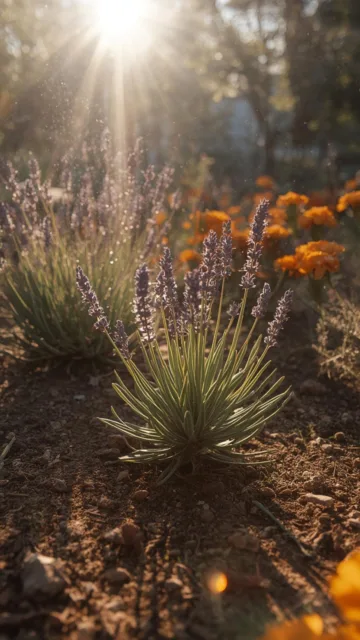
The Ultimate Guide to Sun-Drenched Success: Thriving in High Temperatures
Beating the Heat: Why Your Garden Needs Resilient Varieties
As the summer sun intensifies, many gardeners watch in dismay as their once-vibrant flower beds begin to wilt and fade. The challenge of maintaining a lush landscape during record-breaking heatwaves is becoming a reality for hobbyists across the globe. However, the secret to a professional-looking yard isn’t just about watering more; it’s about choosing the right heat tolerant plants that can thrive when the thermometer climbs. By selecting summer garden plants that are genetically predisposed to handle intense UV rays and dry soil, you can spend less time worrying about your wilting hydrangeas and more time enjoying the beauty of your outdoor space.
Top-Performing Varieties for High Temperatures
The Resilience of Succulents and Stonecrops
When it comes to surviving a scorcher, succulents are the undisputed champions. Sedum (Stonecrop) is a fantastic choice for ground cover or rock gardens. These beauties store water in their thick, fleshy leaves, acting like mini reservoirs. Varieties like ‘Autumn Joy’ provide structural interest and late-summer blooms that attract pollinators even in the driest conditions.
Heat-Loving Annuals for Continuous Color
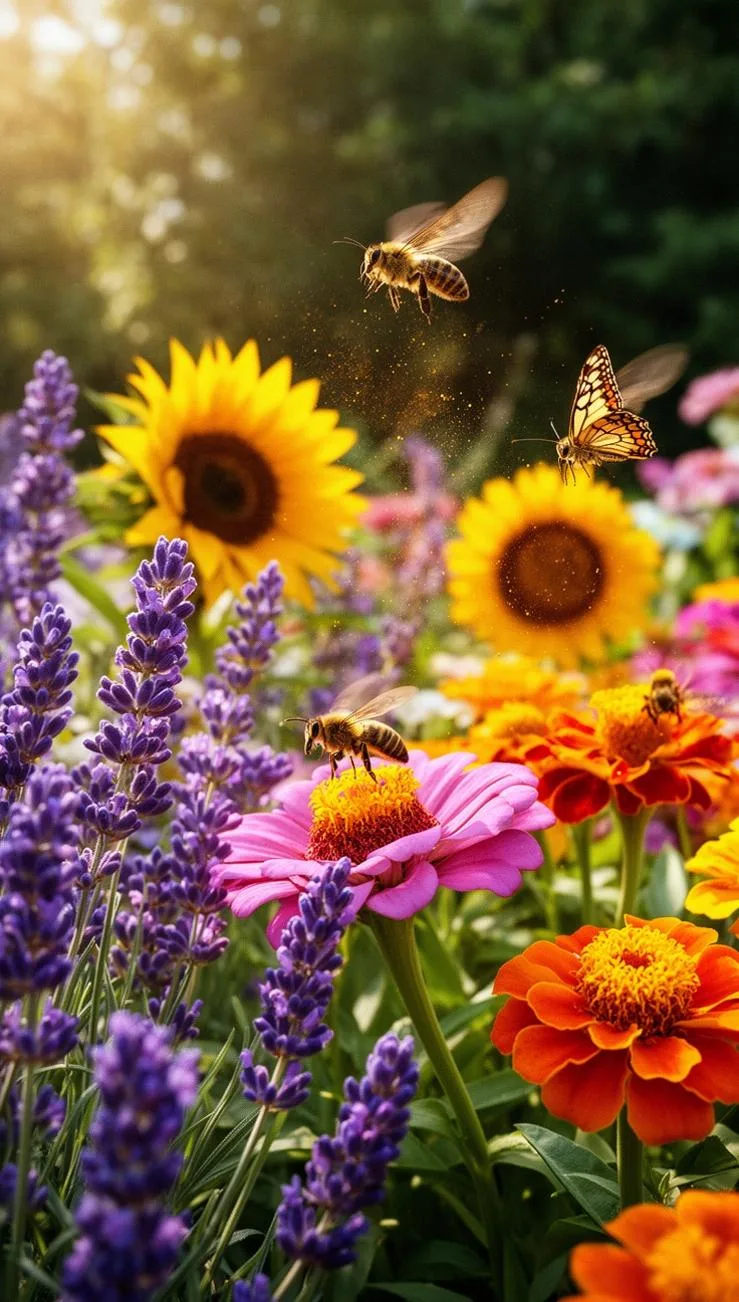
If you want a burst of color that lasts until the first frost, look toward Zinnias and Lantanas. Lantana is particularly impressive because it actually seems to bloom more vigorously as the temperature rises. Its clusters of neon-orange, pink, and yellow flowers are a magnet for butterflies. Zinnias, on the other hand, are incredibly easy to grow from seed and offer a “cut-and-come-again” blooming habit that keeps your indoor vases full all summer long.
Perennials That Handle the Intensity
Coneflowers (Echinacea) and Black-eyed Susans (Rudbeckia) are the workhorses of the sunny perennial border. These native North American plants have deep taproots that allow them to find moisture deep in the earth. Once established, they can handle long periods without significant rainfall while offering a classic “cottage garden” aesthetic.
Essential Sunlight and Soil Management
Understanding Solar Exposure
Not all sun is created equal. The “morning sun” is gentle and helps dry dew off leaves (preventing fungus), while “afternoon sun” (from 12:00 PM to 4:00 PM) is the harshest. When placing your specimens, ensure that those labeled for “Full Sun” are actually capable of handling that intense afternoon exposure. If a plant is struggling, a simple piece of 40% shade cloth can provide a much-needed respite during July and August.
The Importance of Soil Structure
In high-heat areas, your soil needs to be a sponge. Adding organic matter like compost improves soil structure, allowing it to hold onto moisture without becoming waterlogged. Sandy soils drain too fast, meaning nutrients wash away, while heavy clay can bake into a brick-like consistency that prevents roots from breathing. A healthy mix of loam and compost is the gold standard for success.
Step-by-Step Instructions: Planting for a High-Temperature Season
To ensure your new additions survive the transition from the nursery to your garden, follow this methodical approach to planting heat tolerant plants. Success starts with the right foundation for your summer garden plants, ensuring they have the strength to thrive through the peak of the season.
Step 1: Timing is Everything
Avoid planting in the middle of a heatwave. If possible, get your plants in the ground during the cooler spring months so they can establish a robust root system before the extreme weather arrives. If you must plant in summer, do it in the early evening to give the plant a full night of “rest” before the sun hits.
Step 2: The “Deep Soak” Hole
Dig a hole twice as wide as the root ball. Before placing the plant, fill the hole with water and let it drain away. This “pre-hydrates” the surrounding soil and encourages roots to grow downward toward the moisture rather than staying near the hot surface.
Step 3: Tickle the Roots
If the plant is “root-bound” (roots circling the inside of the pot), gently tease them outward. This helps the plant integrate into its new environment faster. Place the plant at the same depth it was in the pot—never bury the stem deeper, as this can lead to rot.
Step 4: The Finishing Touch – Mulch
After planting and a thorough watering, apply a 2-to-3-inch layer of organic mulch (like shredded bark or straw) around the base of the plant. Keep the mulch an inch away from the actual stem to prevent disease, but cover the root zone completely to keep the soil temperature down.
Tips from Experienced Gardeners
- Water the Roots, Not the Leaves: Wet foliage in high heat can lead to fungal issues or even leaf scald. Use a soaker hose or drip irrigation to deliver water directly to the soil.
- Deadheading is Key: Removing spent flowers prevents the plant from “going to seed.” This signals the plant to keep producing blooms throughout the summer.
- Morning Hydration: The best time to water is between 5:00 AM and 9:00 AM. This gives the plant enough turgidity to withstand the midday evaporation.
- Group by Need: Group plants with similar water requirements together (hydro-zoning). This prevents you from overwatering your drought-tolerant succulents while trying to save a thirsty hydrangea.
Common Mistakes to Avoid
Over-Fertilizing in Heatwaves
It is a common mistake to think a struggling plant needs “food.” However, fertilizer stimulates new, tender growth that is incredibly susceptible to heat damage. Additionally, fertilizing during a drought can cause “salt burn” on the roots. Wait for a cooler spell or a period of regular rain to feed your garden.
Shallow Watering
Frequent, light sprinkling only wets the top inch of soil. This encourages roots to stay near the surface, where they will fry in the sun. It is much better to water deeply once or twice a week than to give a quick spray every day.
Tools and Materials Needed
To maintain a high-heat garden effectively, you should have the following items in your shed:
- Soaker Hoses: Perfect for deep, slow hydration.
- Organic Mulch: Cedar bark, pine straw, or leaf mold.
- Moisture Meter: A simple tool to check if the soil is dry 4 inches down before you water.
- Transplant Shards: To provide temporary shade for new seedlings.
- High-Quality Pruners: To keep plants tidy and remove dead material.
Seasonal and Climate Considerations
In Mediterranean or desert climates, heat tolerance is a year-round requirement. However, for those in more temperate zones, heat tolerance is a seasonal necessity. If you live in an area with high humidity (like the American Southeast), you need plants that are not just heat tolerant but also “humidity tolerant” to avoid powdery mildew. Alternatively, in arid climates, “low-water” and “heat tolerant” usually go hand-in-hand. Always check your USDA Hardiness Zone, but also pay attention to “Heat Zones,” which measure how many days per year a region experiences temperatures over 86°F (30°C).
Benefits of Moving Toward Heat-Resilient Gardening
Switching to a heat-resilient garden model offers numerous advantages beyond just aesthetics:
- Water Conservation: You will significantly reduce your monthly water bill and help conserve a precious local resource.
- Lower Maintenance: These plants are designed to be tough. Once established, they require far less “babysitting” than delicate tropicals.
- Biodiversity: Many heat-loving plants are native varieties that provide essential food and habitat for local bees, butterflies, and birds during the harshest months of the year.
Alternative Methods: Containers and Microclimates
If you have a particularly hot spot like a concrete patio, consider using large light-colored ceramic pots. Dark pots absorb heat and can cook the roots of a plant. Additionally, creating “microclimates” can help. By planting taller, heat-hardy shrubs on the western side of your garden, you can create a “shadow zone” where you can grow slightly more sensitive species in the dappled afternoon shade.
Conclusion
Gardening in a warming climate doesn’t have to be a struggle against nature. By intentionally selecting heat tolerant plants, you are working with the environment rather than against it. A well-planned summer garden plants collection ensures that your outdoor oasis remains a place of beauty and relaxation, even during the dog days of August. Remember that preparation—through soil improvement, proper mulching, and smart watering—is the key to a resilient landscape that will bloom for years to come.
Frequently Asked Questions
1. How often should I water my heat-tolerant plants?
Even though they are tough, new plants need regular water for the first year. Once established, most only need a deep soak once a week during extreme heat.
2. Can I grow heat-tolerant plants in the shade?
Most heat-loving plants, like Lantana or Salvia, require at least 6 hours of direct sun to bloom properly. If grown in shade, they may become “leggy” and produce fewer flowers.
3. Does mulch really keep the ground cool?
Yes! Studies have shown that mulched soil can be up to 10-15 degrees cooler than bare soil. This prevents root stress and slows down evaporation.
4. What are some edible heat-tolerant plants?
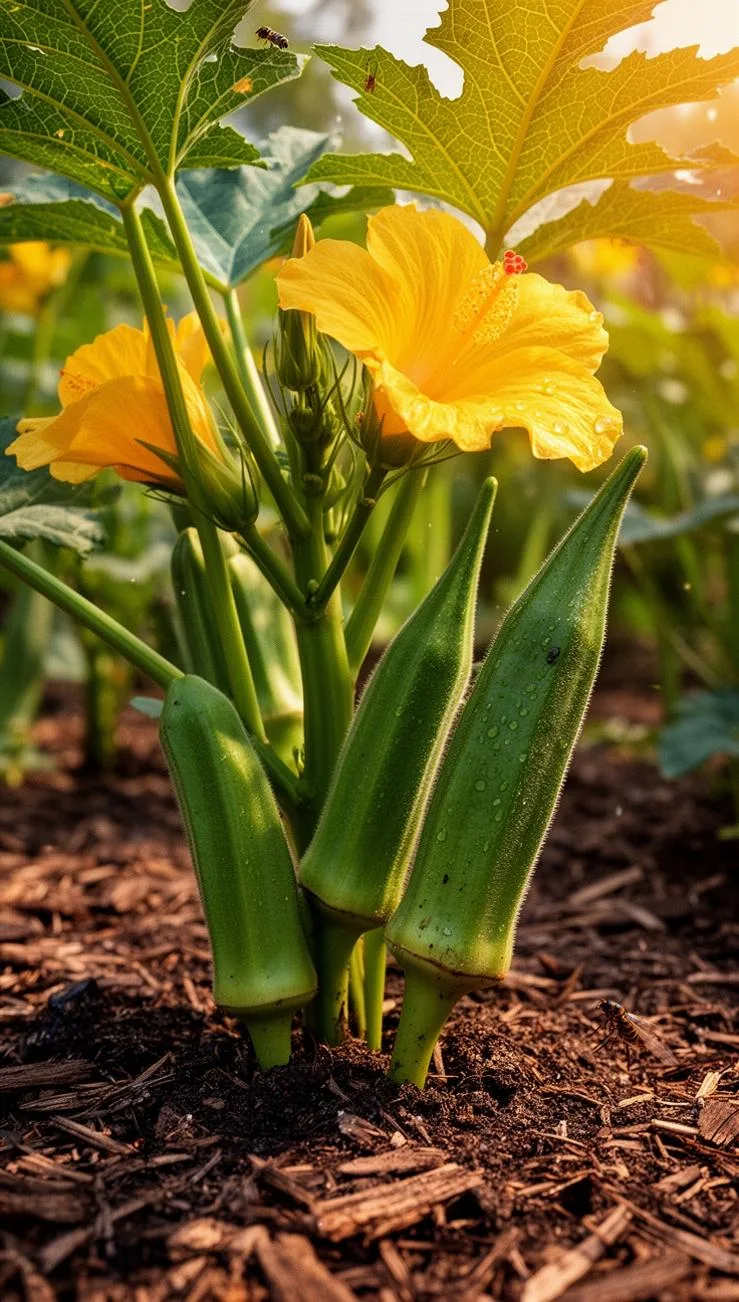
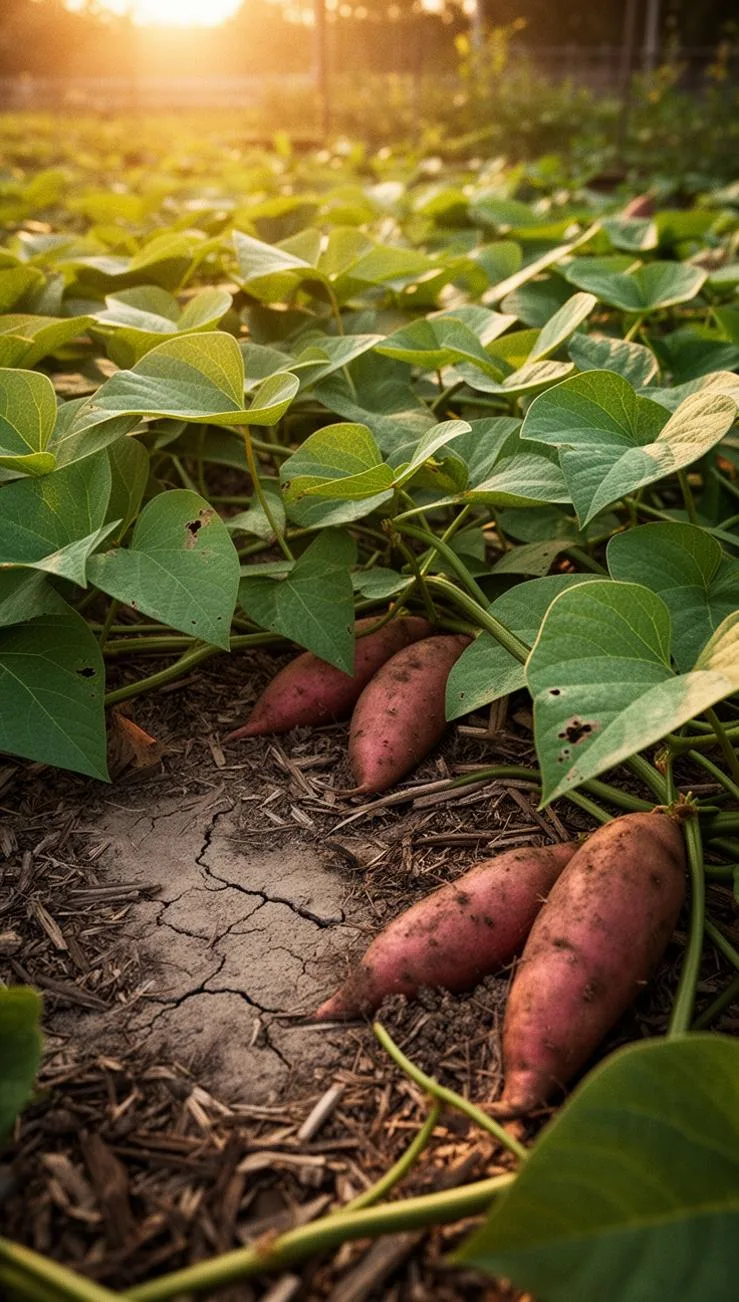
Peppers, eggplants, okra, and sweet potatoes are all excellent choices for an edible garden that thrives in high temperatures.
5. Why are my plants wilting even if the soil is wet?
In extreme heat, plants sometimes wilt as a defense mechanism to reduce surface area and transpiration. If they perk back up in the evening, they are fine. If they stay wilted, check for root rot caused by overwatering.