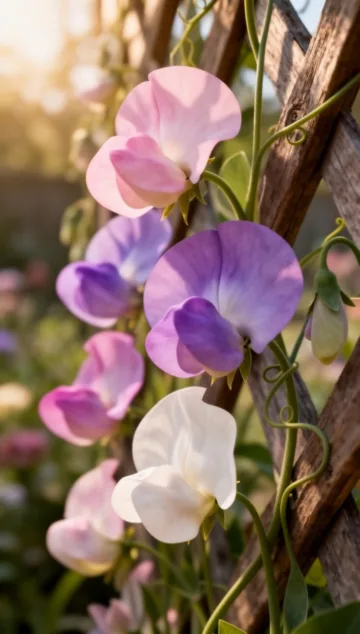
The Fragrant Charm of Cottage Gardens: A Masterclass in Sweet Peas
There is nothing quite like the intoxicating scent of a fresh bouquet of sweet peas on a kitchen table. For many gardeners, these delicate, ruffled blooms represent the very essence of spring and early summer. Known botanically as Lathyrus odoratus, these climbing annuals are beloved not just for their aesthetic beauty and wide range of colors—from creamy whites to deep, velvety purples—but also for their incredible fragrance that can perfume an entire garden plot.
If you are looking to elevate your backyard landscape, learning how to grow sweet peas is one of the most rewarding projects you can undertake. While they have a reputation for being a bit finicky, the reality is that once you understand their basic needs for cool weather, rich soil, and plenty of sunlight, they are remarkably prolific. This comprehensive sweet pea planting guide will walk you through everything you need to know to ensure a continuous flush of blooms from late spring until the heat of summer takes hold.
Understanding the Basics of Sweet Peas
Annual vs. Everlasting Peas
Before you start digging, it is important to distinguish between the annual sweet pea (Lathyrus odoratus) and the perennial or “everlasting” pea (Lathyrus latifolius). While the perennial version returns every year, it lacks the signature fragrance that makes the annual variety so famous. Most gardeners prefer the annual types for their superior scent and diverse color palette.
Choosing Your Cultivars
There are hundreds of varieties available. “Spencer” types are the most popular for exhibition and cutting because of their long stems and large, wavy petals. If you live in a warmer climate, look for “Early Flowering” or “Winter Flowering” varieties that bloom before the temperatures spike. For small spaces or containers, “Dwarf” or “Patio” varieties stay low to the ground and don’t require tall trellises.
Preparing Your Garden for Success
The Ideal Location
Sweet peas love “cool toes and sunny heads.” This means they prefer their roots to stay moist and cool while their vines bask in full sun. Choose a spot that receives at least six to eight hours of sunlight. In very hot climates, a spot with afternoon shade can help extend the blooming season.
Soil Preparation and Fertility
These plants are “heavy feeders,” meaning they require nutrient-rich soil to produce those long, sturdy stems. In the fall or early spring, dig in a generous amount of well-rotted manure or high-quality compost. Sweet peas prefer a slightly alkaline soil pH; if your soil is overly acidic, adding a dusting of garden lime can make a world of difference.
Step-by-Step Instructions for Beautiful Blooms
To successfully grow sweet peas, timing is everything. Because they are hardy annuals, they can survive a light frost, and they actually benefit from being started while the weather is still crisp. Follow this sweet pea planting guide to get your seeds off to the best possible start.
1. Seed Preparation
Sweet pea seeds have a tough outer coat. To speed up germination, you can gently “nick” the seed coat with a bit of sandpaper or a nail file to allow moisture to penetrate. Alternatively, soak the seeds in lukewarm water for 24 hours before planting. Any seeds that swell up are ready to go; if they don’t, try nicking them and soaking for another few hours.
2. Sowing the Seeds
You can start seeds indoors in tall pots (root trainers are excellent for this) 6-8 weeks before the last frost, or sow them directly into the garden as soon as the soil can be worked in early spring. Plant the seeds about 1 inch deep and 2 to 3 inches apart. Once they reach about 4 inches in height, thin them to 6 inches apart to allow for proper airflow.
3. Pinching for Bushiness
One of the “pro” secrets is pinching. When your seedlings are about 4 to 6 inches tall and have developed two or three sets of leaves, use your fingernails or small snips to pinch out the very top growing tip. This encourages the plant to branch out from the base, resulting in a much fuller, more productive plant with more flowers.
4. Providing Support
Sweet peas are climbers that use tendrils to hitch a ride upward. You must provide a support system—such as a bamboo teepee, a wire fence, or netting—as soon as you plant them. If they don’t find something to climb right away, they will sprawl on the ground, making them more susceptible to pests and diseases.
Tips from Experienced Gardeners
The Power of Mulching
To keep the roots cool, apply a thick layer of organic mulch around the base of the plants once they are about a foot tall. Straw, shredded leaves, or compost work perfectly. This helps retain moisture and prevents the soil temperature from rising too quickly as summer approaches.
Watering Consistency
Never let your sweet peas dry out completely. They require consistent moisture to keep producing flowers. Water deeply at the base of the plant in the morning to prevent powdery mildew, which can occur if the foliage stays wet overnight.
The “Cut and Come Again” Rule
The more you pick sweet peas, the more they bloom. If you leave the flowers on the vine and they begin to form seed pods, the plant will think its job is done and stop producing new buds. Harvest your flowers every few days to keep the plant in its reproductive phase.
Common Mistakes to Avoid
- Planting too late: If you wait until the weather is hot, the plants will struggle to establish and may “bolt” or die off quickly.
- Ignoring the tendrils: While they are natural climbers, sometimes they need a little help. Use soft twine or garden clips to guide them toward their support in the early stages.
- Over-fertilizing with Nitrogen: Too much nitrogen will give you lush green leaves but very few flowers. Focus on fertilizers high in potassium (like tomato feed) once the buds begin to appear.
- Poor Airflow: Crowding your plants too closely can lead to mildew. Ensure there is enough space between plants for the breeze to move through the foliage.
Tools and Materials Needed
Having the right gear on hand makes the process much smoother. Here is a quick checklist:
- High-quality seeds: Look for reputable breeders known for scent and stem length.
- Root Trainers or Tall Pots: These allow the long taproots to develop without becoming cramped.
- Support Structures: Bamboo canes, obelisks, or chicken wire.
- Garden Snips: For pinching seedlings and harvesting flowers.
- Organic Compost: To enrich the planting site.
- Twine: For tying in young vines.
Seasonal and Climate Considerations
Fall Sowing for Early Blooms
In milder climates (USDA Zones 7 and above), you can actually sow sweet peas in the autumn. They will spend the winter forming a massive root system and will be ready to “take off” the moment the first signs of spring arrive. In colder climates, sticking to early spring sowing is safer.
Managing Heat Stress
As the “dog days” of summer arrive, sweet peas often begin to fade. If you live in a region with very hot summers, you can try to extend their life by giving them a “haircut” (pruning back a third of the plant) and ensuring they get plenty of water, though eventually, the heat will win and the plants will finish their cycle.
Benefits of Growing Sweet Peas
Beyond their beauty, sweet peas offer several benefits to the home gardener:
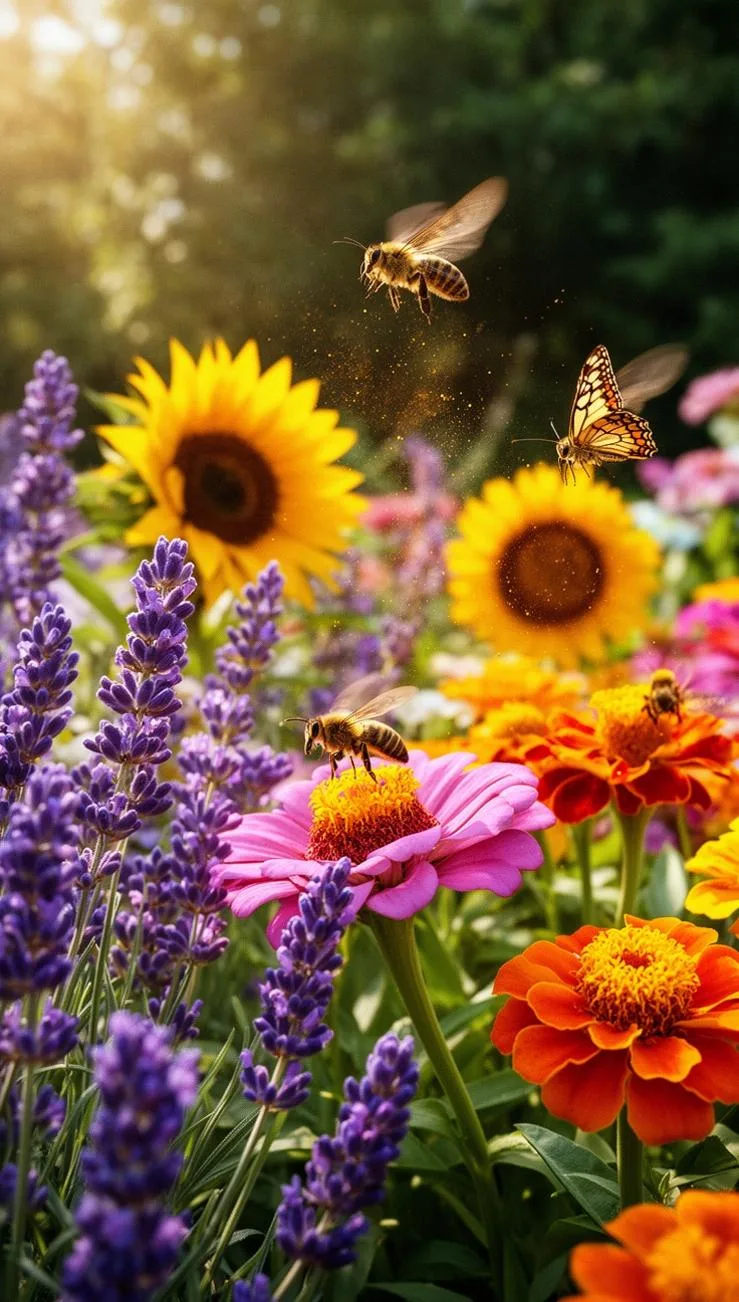
- Pollinator Magnets: Bees and butterflies are naturally drawn to the fragrant blossoms.
- Exceptional Cut Flowers: A single vase can scent an entire room for nearly a week.
- Vertical Interest: They allow you to utilize vertical space, making them perfect for small gardens or balconies.
- Soil Improvement: Like other legumes, they have a symbiotic relationship with soil bacteria that helps fix nitrogen, though they are usually removed before the full benefit is realized.
Alternative Methods: Container Gardening
If you don’t have a large garden plot, don’t worry! Sweet peas grow wonderfully in containers. Choose a large, deep pot (at least 12-15 inches deep) to accommodate the roots. Use a high-quality potting mix and set up a small bamboo tripod inside the pot. Dwarf varieties like ‘Cupid’ or ‘Patio’ are specifically bred for pots and hanging baskets, trailing beautifully over the edges if you choose not to provide a trellis.
Conclusion
Mastering the art of the garden becomes significantly more joyful when you learn how to grow sweet peas. These flowers are a testament to the rewards of patience and proper preparation. By following this sweet pea planting guide, you can transform a simple trellis into a cascading wall of color and scent. Remember to start early, prepare your soil with care, and keep those scissors handy for constant harvesting. There is no greater gardening delight than sharing a handful of these fragrant blossoms with a friend or neighbor.
Frequently Asked Questions
1. Are sweet pea flowers edible?
No. While they share a name with garden peas, sweet peas (Lathyrus odoratus) are toxic if ingested. Do not eat the flowers or the seed pods, and keep them away from pets and curious children.
2. How long does it take for sweet peas to bloom from seed?
Typically, it takes about 100 to 120 days from sowing to the first flower. This is why starting them early in the season is so vital for a long blooming window.
3. Why are my sweet pea buds falling off before they open?
This is a common issue called “bud drop.” It is usually caused by a sudden change in temperature (especially cold nights followed by hot days) or irregular watering. Maintaining consistent moisture often fixes the problem.
4. Do sweet peas need to be soaked?
It isn’t strictly necessary, but it helps. Soaking or nicking the seed coat ensures a higher and faster germination rate, especially if your seeds are a year or two old.
5. Why do my sweet peas have short stems?
Short stems are often caused by heat stress or a lack of nutrients. Ensure they are well-watered and fed with a liquid seaweed or tomato fertilizer once a week during the peak growing season.