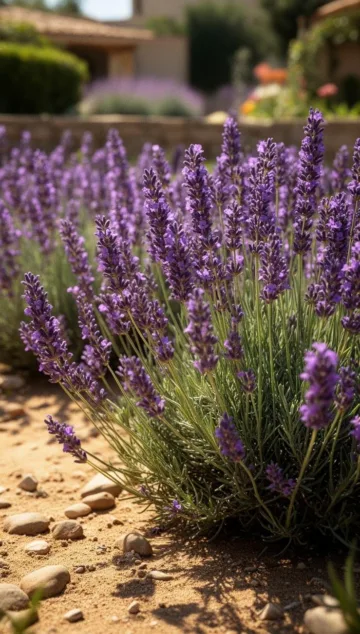
The Complete Guide to Cultivating Fragrant Lavender in Your Home Garden
There is something truly magical about the scent of fresh lavender wafting through the air on a warm summer evening. For centuries, this Mediterranean gem has been prized for its calming aroma, stunning purple hues, and incredible versatility in the kitchen and apothecary. Whether you are looking to edge a walkway with fragrant blooms or create a sanctuary for pollinators, learning how to grow lavender is one of the most rewarding journeys a gardener can take. While many beginners worry that this silver-foliage beauty is finicky, the secret lies in understanding its Mediterranean roots. By following a few essential lavender garden tips, you can transform a sunny patch of dirt into a thriving, aromatic retreat that returns year after year.
Understanding Lavender Varieties
English Lavender (Lavandula angustifolia)
Often considered the “true” lavender, English varieties are the hardiest and most popular for culinary use. They produce sweet-smelling flowers and compact foliage. Types like ‘Munstead’ and ‘Hidcote’ are favorites for their deep indigo colors and ability to withstand colder winters.
French and Spanish Lavender (Lavandula stoechas)
Known for the “rabbit ear” bracts that sprout from the top of the flower head, these varieties are showstoppers in the landscape. They thrive in hotter climates but are less cold-tolerant than their English cousins. They have a more camphor-like scent, making them excellent for ornamental use but less ideal for baking.
Hybrid Lavender (Lavandula x intermedia)
Commonly known as Lavandins, these hybrids are giants in the lavender world. They grow larger, produce long stems perfect for bouquets, and have a very high oil content. ‘Grosso’ is the most famous variety here, often used in commercial essential oil production.
Finding the Perfect Location
The Power of Full Sun
Lavender is a sun-worshipper. To achieve those vibrant blooms and sturdy stems, your plants need at least 6 to 8 hours of direct sunlight every day. In shadier spots, the plant becomes “leggy,” produces fewer flowers, and is more susceptible to fungal diseases.
Drainage is Non-Negotiable
If there is one thing that will kill a lavender plant faster than anything else, it is “wet feet.” These plants thrive in lean, gritty soil. If you have heavy clay soil, consider planting in raised beds or adding horticultural grit to improve aeration and drainage.
Step-by-Step Instructions for Success
Ready to get your hands in the dirt? Follow these steps to grow lavender like a professional. Start by choosing a spot with excellent airflow to prevent mildew. Dig a hole twice as wide as the root ball but no deeper. If your soil is rich, resist the urge to add compost; lavender actually prefers poor to moderately fertile soil. Mix a handful of lime into the planting hole if your soil is acidic, as these plants prefer a neutral to slightly alkaline pH.
When you place the plant in the hole, ensure the crown (where the stems meet the roots) is slightly above the soil line to prevent rot. Backfill with your native soil, tamping down lightly. To keep your plants thriving long-term, remember these lavender garden tips: water deeply but infrequently during the first year, and once established, only water during extreme droughts. Over-watering is the most common mistake made by enthusiastic beginners.
Expert Tips for Vibrant Blooms
The “Hard Prune” Secret
Many gardeners are afraid to prune, but lavender requires it to stay youthful. Prune your plants once a year, usually in late summer after the first flush of flowers has faded. Cut back about one-third of the green growth, but never cut into the old, woody stems, as they rarely regrow.
Space Them Out
Lavender loves “elbow room.” Good air circulation is vital for keeping the foliage dry and healthy. Space your plants according to their mature width—usually 2 to 3 feet apart for most English varieties.
Common Mistakes to Avoid
Using Organic Mulch
While wood chips are great for vegetables, they hold too much moisture for lavender. Instead, use light-colored gravel or crushed oyster shells. This reflects light back up into the plant and keeps the base dry.
Over-Fertilizing
Lavender is a “low-feeder.” Excessive nitrogen will result in lots of green leaves but very few fragrant flowers. A light dusting of bone meal or garden lime in the spring is usually all they need.
Tools and Materials Needed
- Hand Trowel: For digging precise planting holes.
- Pruning Shears: High-quality bypass pruners for clean cuts.
- Garden Lime: To adjust soil alkalinity if necessary.
- Pea Gravel or Grit: To improve drainage in the planting hole and for mulching.
- Hose or Watering Can: For targeted watering at the base of the plant.
Seasonal and Climate Considerations
Winter Protection
In regions with harsh winters (Zone 5 and below), English lavender is your best bet. Avoid heavy pruning in late autumn, as the foliage helps protect the crown from freezing temperatures. In very wet winters, consider a frost blanket to keep the roots from becoming waterlogged.
Humidity Challenges
In high-humidity areas like the Southeast US, lavender can struggle with fungal issues. Choosing heat-tolerant varieties like ‘Phenomenal’ and ensuring wide spacing between plants will give you the best chance of success.
Benefits of Growing Lavender
A Pollinator Paradise
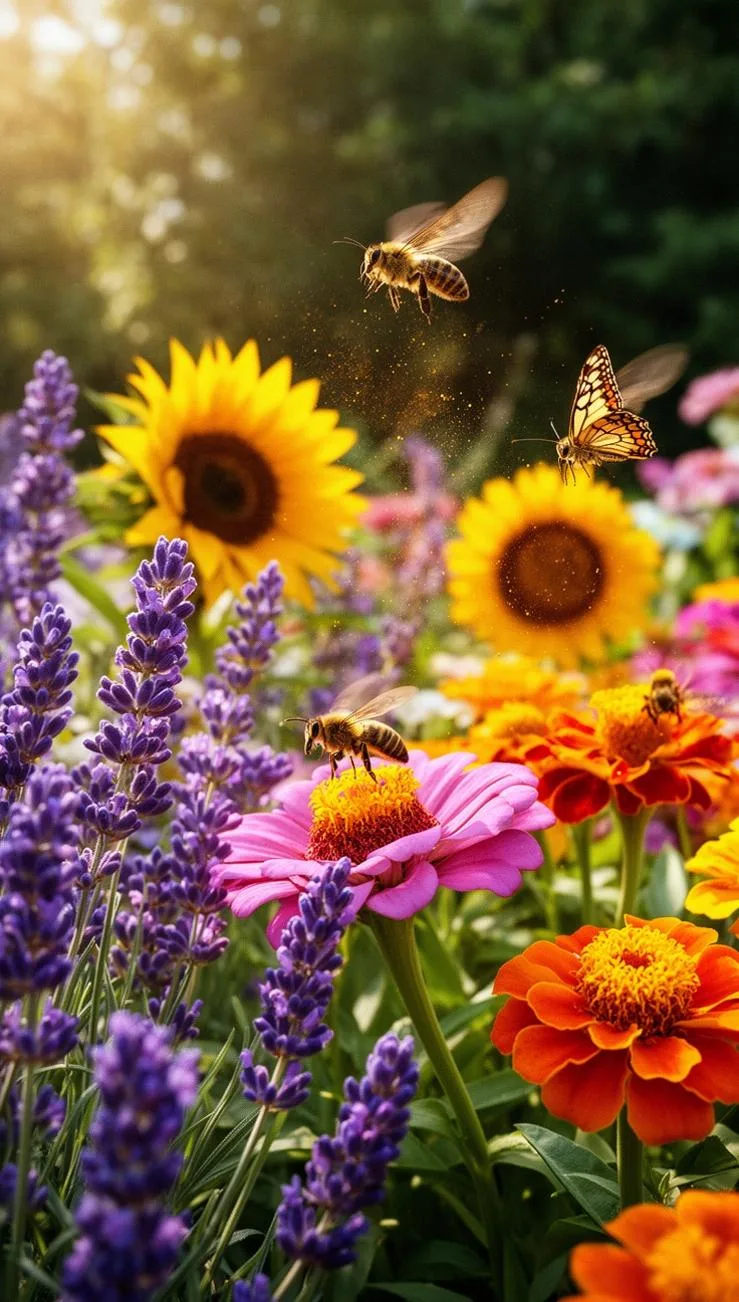
Lavender is a magnet for bees, butterflies, and hoverflies. Because it blooms for a long period, it provides a reliable food source for these beneficial insects, which in turn helps the rest of your garden thrive.
Harvesting for the Home
Beyond the garden, lavender has endless uses. You can dry the bundles to create sachets for your linens, use the buds in baking shortbread, or even infuse them into simple syrups for summer cocktails.
Alternative Growing Methods
Container Gardening
If you have heavy clay soil or limited space, lavender thrives in pots. Use a terracotta pot to allow the roots to breathe and choose a well-draining potting mix specifically designed for cacti or succulents.
Lavender Hedges
For a dramatic look, plant several lavender bushes in a row to create a low-growing hedge. This is a classic Mediterranean landscaping technique that defines garden borders while filling the air with scent every time you brush past.
Closing Thoughts on Fragrant Gardening
Cultivating a thriving herb garden is a journey of patience and observation. When you choose to grow lavender, you are investing in a perennial that will provide beauty, scent, and joy for years to come. Remember that this plant is a rugged survivor that actually thrives on a bit of “tough love”—plenty of sun, very little water once established, and a good annual haircut. By implementing these lavender garden tips, you can ensure your garden remains a buzzing, fragrant paradise from the first warm days of spring through the height of summer. Happy gardening!
Frequently Asked Questions
1. How long does a lavender plant live?
With proper care and annual pruning, a lavender plant can live for 10 to 15 years. Without pruning, they tend to become woody and split open after 3 to 5 years.
2. Can I grow lavender indoors?
It is difficult but possible. Lavender needs massive amounts of light. You will likely need a south-facing window and potentially a supplemental grow light to keep it healthy indoors.
3. Why are the leaves on my lavender turning yellow?
Yellowing leaves are usually a sign of over-watering or poor drainage. Check the soil moisture; if it feels soggy, stop watering immediately and consider moving the plant to a drier spot.
4. When is the best time to harvest lavender?
For the best scent and color, harvest the stems when the bottom third of the flower buds have just started to open. This is when the essential oil concentration is at its peak.
5. Does lavender repel pests?
Yes! The high oil content and strong scent that we love are actually natural deterrents for many pests, including mosquitoes, moths, and even deer.