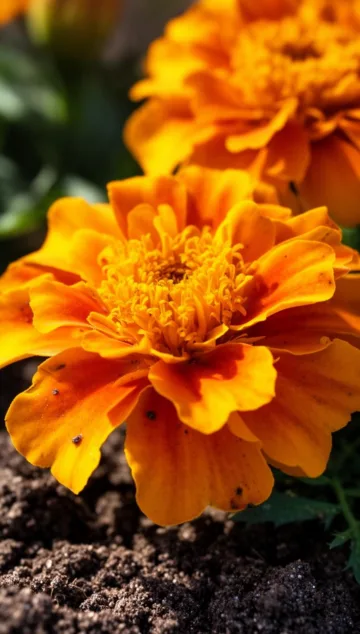
The Golden Secret to a Vibrant Garden: A Masterclass on Marigolds
Imagine a garden bathed in hues of fiery orange, sunny yellow, and deep crimson, all while naturally repelling pests and requiring very little maintenance. This isn’t a gardener’s fever dream; it is the reality of anyone who decides to grow marigolds. These hardy annuals have long been the backbone of the American backyard, beloved for their cheerful blooms and rugged resilience. Whether you are looking to brighten up your curb appeal or find a natural protector for your vegetable patch, this marigold planting guide will provide the essential roadmap to success. Marigolds are more than just pretty faces; they are the hardworking companions that every landscape needs.
Understanding Your Marigold Varieties
Before you put a single seed in the ground, it is important to know which “personality” of marigold fits your garden goals. While they all belong to the genus Tagetes, they vary significantly in size and habit.
African Marigolds (Tagetes erecta)
Often called “American” marigolds, these are the giants of the family. They can reach up to three feet in height and produce massive, pom-pom-like blooms. They are perfect for the back of a flower bed where they can provide a tall, colorful backdrop.
French Marigolds (Tagetes patula)
These are the compact, bushy favorites most commonly seen in garden centers. They rarely grow taller than 12 inches and are famous for their long blooming season. If you want a neat border or a stunning container display, the French varieties are your best bet.
Signet Marigolds (Tagetes tenuifolia)
Unlike their cousins, Signet marigolds have dainty, single-petal flowers and feathery foliage. They are actually edible and have a subtle citrus flavor, making them a favorite for gourmet gardeners who want to garnish salads.
The Perfect Environment for Success
Marigolds are famous for being “easy,” but they do have a few non-negotiable requirements if you want them to thrive rather than just survive.
Sunlight Requirements
Marigolds are sun-worshippers. To get the most prolific blooms, they need at least six to eight hours of direct sunlight. If planted in too much shade, they become leggy, spindly, and prone to powdery mildew.
Soil and Drainage
While they aren’t picky about soil pH, they absolutely require good drainage. They can grow in somewhat poor soil, but they hate “wet feet.” If your soil is heavy clay, consider adding some compost or peat moss to improve the texture.
Step-by-Step Instructions for Success
Follow these simple steps to grow marigolds that will be the envy of your neighborhood. By adhering to this marigold planting guide, you ensure that your seeds or seedlings get the best possible start in their new home.
Step 1: Timing the Planting
Wait until the danger of frost has passed and the soil has warmed up. Marigolds are warm-weather plants and will shrivel at the first sign of a hard frost.
Step 2: Preparing the Site
Loosen the soil to a depth of about six inches. Mix in a little bit of aged compost if the soil feels particularly sandy or dense.
Step 3: Sowing Seeds
If sowing seeds directly, place them about 1 inch apart and cover them with only 1/4 inch of soil. Water them gently with a fine mist so you don’t wash the seeds away. They usually germinate within 5 to 10 days.
Step 4: Thinning and Spacing
Once the seedlings are a few inches tall, thin them out. French marigolds need about 8 to 10 inches of space, while the larger African varieties need 12 to 18 inches to allow for proper air circulation.
Step 5: Initial Watering
Keep the soil moist but not soggy during the first few weeks. Once established, they are quite drought-tolerant, but they need that initial hydration to build a strong root system.
Tips from Experienced Gardeners
The difference between a “fine” garden and a “spectacular” garden often lies in a few pro-level secrets passed down through generations.
The Power of Deadheading
If you leave faded flowers on the plant, the marigold thinks its job is done and starts producing seeds. By pinching off the dead blooms (deadheading), you trick the plant into producing more and more flowers all summer long.
Bottom Watering
Try to avoid getting water on the leaves and flowers. Using a soaker hose or watering at the base of the plant helps prevent fungal diseases and keeps the heavy African blooms from drooping under the weight of trapped water.
Common Mistakes to Avoid
Even the easiest plants can run into trouble if handled incorrectly. Avoid these common pitfalls:
- Over-fertilizing: If you give marigolds too much nitrogen-rich fertilizer, you will get plenty of lush green leaves but very few flowers. They prefer a “tough love” approach to feeding.
- Planting too early: Putting them in the ground while the nights are still chilly (below 50°F) can stunt their growth for the entire season.
- Crowding: Marigolds need airflow. Overcrowding leads to spider mites and rot. Give them room to breathe!
Tools and Materials Needed
You don’t need a shed full of high-tech gear to succeed with these flowers. Here is a basic checklist:
- Seeds or Seedlings: Choose the variety that fits your space.
- Hand Trowel: For digging small holes or mixing in compost.
- Compost or Organic Matter: To enrich the soil naturally.
- Watering Can or Soaker Hose: With a gentle spray nozzle.
- Garden Gloves: To protect your hands (and keep that distinct marigold scent off your skin).
Seasonal and Climate Considerations
Marigolds are incredibly versatile across various USDA hardiness zones, but timing is everything.
Spring and Summer
These are the peak seasons. In very hot climates (like the Southern US), French marigolds might take a “break” from blooming during the highest heat of July but will roar back to life as soon as the temperatures dip slightly in August.
Fall Management
Marigolds can last well into October in many regions. As the season ends, you can let a few flowers go to seed. Once the flower heads are completely dry and brown, pull them off and save the long, needle-like seeds in an envelope for next year.
Benefits of Growing Marigolds
Why choose marigolds over other annuals? The benefits extend far beyond their aesthetics.
- Pest Deterrent: The scent of marigolds (particularly French varieties) deters aphids, whiteflies, and even some nematodes in the soil.
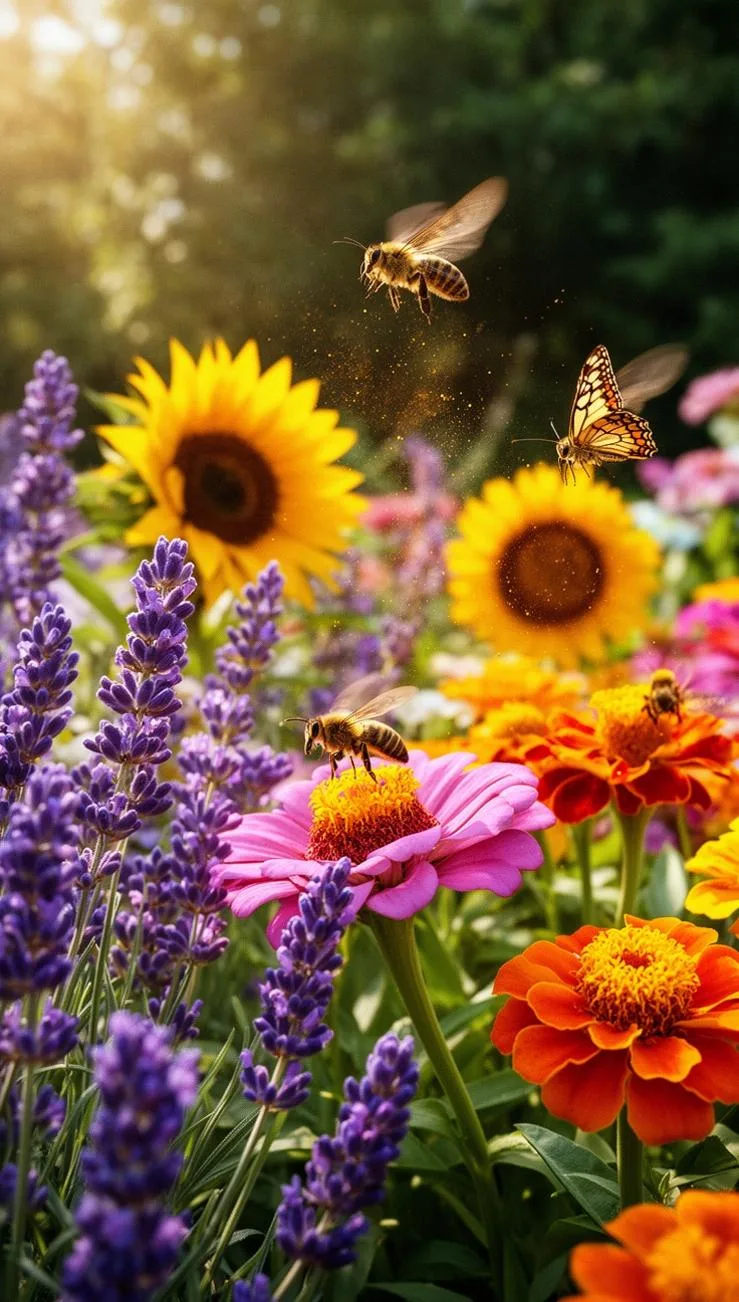
- Pollinator Magnet: Bees and butterflies love the open-faced varieties, making your garden a haven for local wildlife.
- Companion Planting: They are the best friends of tomatoes and peppers, often resulting in healthier vegetable yields when planted nearby.
Alternative Methods: Container Gardening
If you don’t have a yard, don’t worry! Marigolds thrive in pots and window boxes. When planting in containers, ensure you use a high-quality potting mix rather than garden soil, which is too heavy. Ensure the pot has a drainage hole. Because pots dry out faster than the ground, you may need to water your container marigolds daily during the height of summer.
Conclusion
In the world of horticulture, few plants offer as much “bang for your buck” as these brilliant flowers. When you choose to grow marigolds, you are investing in a season of vibrant color, natural pest control, and hardy growth that can withstand the whims of nature. By following this marigold planting guide, you have the tools to transform a bare patch of earth into a golden sanctuary. Remember to give them plenty of sun, avoid over-watering the foliage, and keep up with deadheading to ensure a carpet of blooms until the first frost. Happy gardening!
Frequently Asked Questions
1. Do marigolds come back every year?
Marigolds are technically annuals, meaning they complete their life cycle in one season and die with the frost. however, they are excellent self-seeders. If you let some flowers drop their seeds, you will likely see “volunteer” marigolds popping up in the same spot next spring.
2. Why are my marigold leaves turning yellow?
This is usually a sign of overwatering or poor drainage. Ensure the soil is drying out slightly between waterings. If the leaves look “dusty” or silver, you might be dealing with spider mites, which can be treated with neem oil or a sharp blast of water.
3. Can I grow marigolds indoors?
While possible with very strong grow lights, marigolds are not ideal house plants. They crave the intensity of the sun and the natural airflow of the outdoors. They are best kept on balconies, porches, or in the ground.
4. Are marigolds safe for pets?
Most marigolds (Tagetes) are non-toxic to dogs and cats, though eating them might cause mild stomach upset. Note that “Pot Marigolds” (Calendula) are also safe and often used in soothing skin salves, but they are a different genus than the common garden marigold.
5. How long does it take for marigolds to bloom from seed?
Typically, you will see your first flowers within 50 to 70 days of planting. French varieties tend to bloom a bit faster than the larger African varieties. Starting them indoors 6 weeks before the last frost can give you an even earlier head start on the season.