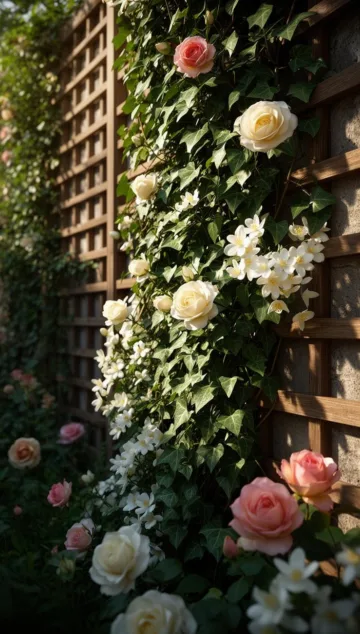
Vertical Greenery: How to Transform Your Space with Vining Wonders
Elevate Your Garden Landscape
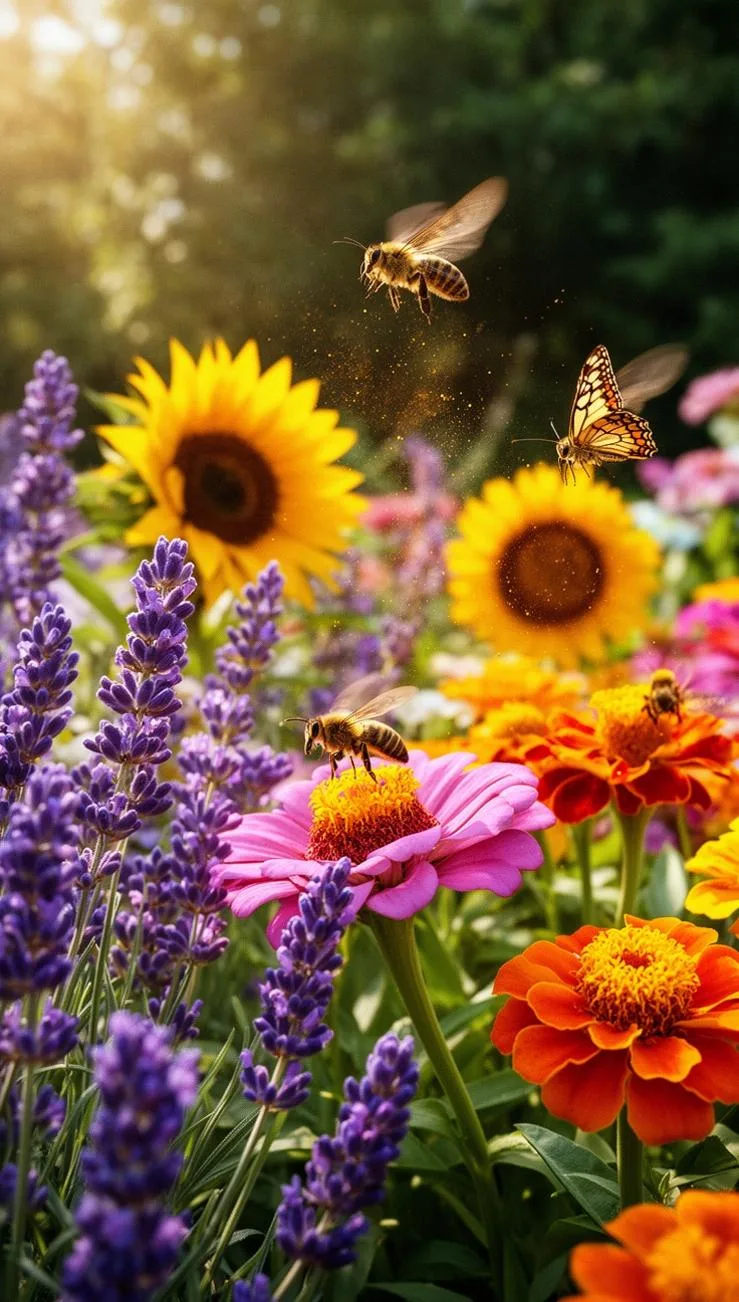
There is something inherently magical about a garden that grows upward. Whether you are dealing with a tiny urban balcony or a sprawling suburban backyard, utilizing vertical space is the ultimate secret weapon for any horticulture enthusiast. By introducing climbing garden plants into your design, you can mask unsightly fences, create natural privacy screens, and add layers of texture that ground-level plants simply cannot provide. Imagine sitting under a canopy of lush leaves or a fragrant climbing flowers garden that hums with the busy wings of pollinators. This guide will walk you through everything you need to know to master the art of vertical gardening, ensuring your outdoor space reaches new heights of beauty and functionality.
Understanding the Mechanics of Climbing
How Plants Climb
Before you dig a hole, it’s important to understand how these plants move. Not all climbers are created equal. Some, like ivy, use adhesive pads to stick to brick. Others, like clematis, use “twining petioles”—essentially mini-tendrils that wrap around thin supports. Knowing how your chosen plant climbs will dictate what kind of structure you need to provide.
Annuals vs. Perennials
Annual climbers, such as Sweet Peas or Morning Glories, grow incredibly fast but die off after one season. These are perfect for gardeners who like to change their look every year. Perennial climbers, like Wisteria or Climbing Roses, take longer to establish but become permanent, structural elements of your garden landscape.
Top Varieties for Every Garden
The Romantic Appeal of Roses
Climbing roses are a staple for a reason. They offer classic beauty and a scent that can fill an entire yard. Unlike true vines, they don’t “climb” on their own; they produce long canes that you must manually tie to a trellis or archway.
The Rapid Growth of Clematis
Known as the “Queen of Climbers,” Clematis comes in thousands of varieties. From the early-blooming Montana species to the large-flowered hybrids of mid-summer, there is a Clematis for every month of the growing season.
Edible Climbers: Fruit and Veg
Why settle for just beauty? Many climbing garden plants are also highly productive. Pole beans, cucumbers, and even certain types of squash can be trained upward, saving ground space and making the harvest much easier on your back.
Step-by-Step Instructions for Success
To ensure your vertical landscape thrives, follow these essential steps to get your plants established and growing strong.
Step 1: Choose Your Site
Most flowering climbers require at least 6 hours of sunlight to produce the best blooms. Check your soil drainage; most vines hate “wet feet” and need soil that breathes.
Step 2: Install Support Early
It is much easier to install a trellis, obelisk, or netting before the plant goes into the ground. Trying to shove a support into the soil once the roots are established can cause significant damage.
Step 3: The Planting Process
When planting climbing garden plants, dig a hole twice as wide as the root ball. For many species, like Clematis, it is beneficial to plant them slightly deeper than they were in the nursery pot to encourage a strong base. If you are designing a climbing flowers garden, space your plants at least 18–24 inches apart to allow for airflow, which prevents mildew.
Step 4: Initial Training
As the plant begins to grow, gently guide the new shoots toward the support. You can use soft garden twine or plastic clips to hold them in place. Be careful not to tie them too tightly, as the stems will thicken over time.
Tips from Experienced Gardeners
The “Heads in Sun, Feet in Shade” Rule
Many climbers, especially Clematis and Honeysuckle, love having their foliage in the bright sun but their roots kept cool and moist. You can achieve this by placing a few flat stones over the root zone or planting low-growing shrubs at the base of the climber to provide shade.
Regular Deadheading
To keep your flowers blooming all summer long, don’t forget to pinch off the faded blooms. This prevents the plant from putting energy into seed production and encourages it to keep producing new flower buds.
Common Mistakes to Avoid
Underestimating Mature Weight
A Wisteria vine might look delicate in a 1-gallon pot, but within ten years, it can weigh hundreds of pounds. Never plant heavy, woody perennials on flimsy plastic trellises. Use sturdy timber or metal for long-term climbers.
Neglecting Pruning
If you don’t prune, your climber will eventually become a tangled mess of dead wood at the bottom and flowers only at the very top. Research the specific pruning group for your plant to keep it vigorous and leafy from top to bottom.
Tools and Materials Needed
Essential Hardware
- Trellises and Obelisks: For structural support.
- Galvanized Wire: To create custom climbing patterns on walls.
- Eye Bolts: To secure wires into masonry or wood.
Garden Gear
- Sharp Pruners: For clean cuts that prevent disease.
- Soft Twine or Velcro Ties: For training stems without bruising them.
- Hand Trowel: For precise planting in tight vertical spaces.
Seasonal and Climate Considerations
Winter Care
In colder climates, some climbers may die back to the ground. Mulching heavily around the base in late autumn will protect the root system from deep freezes. For evergreen climbers like Star Jasmine, ensure they are planted in a spot protected from harsh winter winds.
Summer Hydration
Because climbing plants effectively act as a “sail” in the wind, they lose moisture quickly through their leaves. During peak summer heat, deep watering at the base of the plant twice a week is more effective than light daily sprinkling.
Benefits of Growing Upward
Maximizing Small Spaces
Vertical gardening allows you to grow a massive volume of foliage in a very small footprint. This is essential for patio gardeners or those with narrow side-yards.
Natural Property Cooling
A wall covered in greenery acts as an extra layer of insulation. During the summer, a leafy vine can significantly reduce the temperature of the wall it covers, helping to keep your home or garden shed cooler.
Alternative Methods: The “Soft” Support Approach
Using Live Supports
One of my favorite “pro” tricks is using a sturdy tree or a large shrub as a natural trellis. This is often called “companion climbing.” You can plant a delicate Clematis at the base of a well-established Yew or Rose bush and let it weave its way through the branches for a stunning, layered look.
The Lean-To Method
If you aren’t ready to commit to permanent wall fixings, use large pots with built-in bamboo teepees. These can be moved around your patio to create temporary “walls” of color wherever you need them most.
Conclusion
Adding height to your landscape is one of the most rewarding projects you can undertake. By selecting the right climbing garden plants for your specific light and soil conditions, you create a garden that feels lush, private, and professionally designed. Whether you choose the rustic charm of a grapevine or the vibrant colors of a climbing flowers garden, remember that patience is key. Most climbers follow the old gardening adage: “The first year they sleep, the second year they creep, and the third year they leap.” Provide them with the right support and consistent care, and you will soon find yourself surrounded by a stunning vertical sanctuary.
Frequently Asked Questions
1. Which climbing plant grows the fastest?
If you want quick coverage in a single season, Morning Glory or Black-Eyed Susan Vine are excellent choices. They can easily grow 10 to 15 feet in just a few months during the warm season.
2. Will climbing plants damage my house walls?
It depends on the plant. Self-clinging plants like English Ivy or Trumpet Vine use aerial roots that can dig into mortar. It is safer to use a trellis held a few inches away from the wall for twining plants like Honeysuckle or Clematis.
3. Can I grow climbers in pots?
Absolutely! Many varieties, such as Ivy, Mandevilla, and certain smaller Clematis species, thive in large containers as long as they have a support structure and regular feeding.
4. When is the best time to plant climbers?
The best time is generally spring or early autumn. This allows the root system to establish itself before the stress of extreme summer heat or winter cold.
5. Why isn’t my climber flowering?
The most common reasons are lack of sunlight, improper pruning (cutting off the flower buds), or too much nitrogen fertilizer, which promotes leaves but discourages blooms. Regardless of the species, ensure they get enough sun for their specific needs.