The Essential Guide to Cultivating Fresh Herbs: Master the Art of Chive Gardening
Why Every Gardener Needs Chives in Their Life
Imagine stepping out into your backyard and snipping a handful of bright, onion-scented greens to garnish your morning omelet or a baked potato. Chives are the unsung heroes of the garden—resilient, flavorful, and incredibly easy to maintain. Whether you have a sprawling backyard or a tiny balcony, learning how to grow chives is one of the most rewarding projects you can undertake. Not only do they provide a continuous harvest of edible leaves, but their beautiful purple pom-pom flowers also attract essential pollinators like bees and butterflies.
Adding this versatile perennial to your chives herb garden is a smart move for both culinary enthusiasts and organic gardeners. Unlike many temperamental herbs that wilt at the first sign of neglect, chives are hardy survivors that return year after year. They act as natural pest repellents for surrounding plants and require very little space to thrive. In this guide, we will walk through everything you need to know to transition from a beginner to a pro at cultivating these flavorful stalks.
Understanding the Chive Family
Common Chives (Allium schoenoprasum)
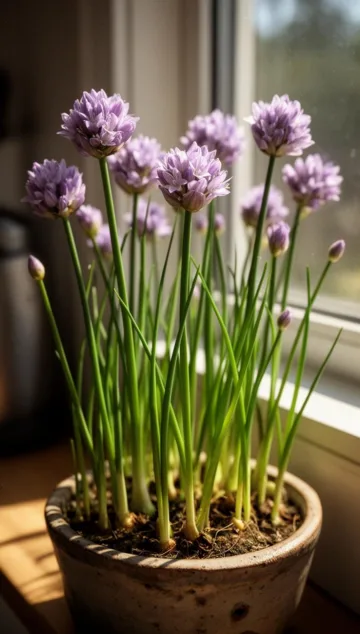
These are the classic chives most people recognize. They feature hollow, grass-like leaves and a mild onion flavor. In late spring, they produce stunning globe-shaped lavender flowers that are also entirely edible.
Garlic Chives (Allium tuberosum)
Often called Chinese chives, these have flat, solid leaves and a distinct garlic aroma. Their flowers are white and star-shaped, usually blooming later in the summer than the common variety.
Selecting the Perfect Location
Lighting Requirements
Chives are sun-lovers. To get the best growth and flavor, aim for a spot that receives at least six to eight hours of direct sunlight. However, if you live in an exceptionally hot climate, they will appreciate some light afternoon shade to prevent the tips from scorching.
Soil Quality and Drainage
These plants aren’t overly picky, but they do best in fertile, well-draining soil. If your garden has heavy clay, consider adding organic compost or peat moss to improve the texture. They prefer a soil pH between 6.0 and 7.0, which is standard for most garden vegetables.
Step-by-Step Instructions to Plant and Maintain Your Chives
Starting your journey to grow chives is straightforward, whether you start from seeds, “plugs” from a nursery, or a division from a friend’s established plant. Follow these steps to ensure your chives herb garden gets off to a flying start:
Step 1: Preparation
If starting from seed indoors, begin 6 to 8 weeks before the last frost. If sowing directly outdoors, wait until the soil is workable in early spring. Prepare the bed by tilling the top 6 inches of soil and mixing in a healthy dose of aged compost.
Step 2: Planting
Sow seeds about 1/4 inch deep. If you are using transplants or divisions, space the clumps about 8 to 12 inches apart. This gives each plant enough room to expand its root system without competing for nutrients.
Step 3: Watering and Mulching
Water the area thoroughly immediately after planting. Once established, keep the soil consistently moist but not waterlogged. Applying a light layer of mulch, such as shredded bark or straw, helps retain moisture and keeps weeds at bay.
Step 4: Feeding
Chives are light feeders. A side-dressing of compost in the spring is usually all they need. Avoid over-fertilizing with high-nitrogen products, as this can actually diminish the potency of their essential oils and flavor.
Tips from Experienced Gardeners
The Secret to Perpetual Harvest
Experienced growers know that the more you harvest, the more the plant produces. Don’t be afraid to cut the leaves back! Use sharp scissors and cut about two inches above the soil line. Always harvest from the outside of the clump to allow new growth to emerge from the center.
Dealing with Flowers
While the flowers are beautiful, they eventually turn to seed. If you don’t want chive seedlings popping up everywhere in your garden next year, “deadhead” the flowers as soon as they begin to fade. If you do want them to spread, simply let the flower heads dry out on the plant.
Common Mistakes to Avoid
Overwatering and Root Rot
One of the fastest ways to kill a chive plant is by letting it sit in “wet feet.” If your soil doesn’t drain well, the bulbs will rot. Always check the top inch of soil; if it feels damp, hold off on watering.
Crowding the Clumps
Chives grow in clumps that expand over time. If you don’t divide them every 3 to 4 years, the center of the plant can become “bald” or unproductive. Crowding also reduces airflow, which can lead to fungal issues.
Ignoring the Weed Competition
Because chives have thin, grass-like leaves, it can be easy for invasive weeds to blend in or overtake them. Keep the base of your plants clear so the chives don’t have to fight for water and light.
Tools and Materials Needed
To get started, you don’t need a massive shed full of equipment. Here are the basics:
- Quality Seeds or Starts: Ensure you are buying high-germination seeds or healthy, green nursery starts.
- Hand Trowel: For digging small holes or mixing in compost.
- Garden Scissors: A sharp pair of shears is essential for clean harvests that don’t tear the plant.
- Compost: Organic matter acts as a slow-release fertilizer.
- Watering Can with a Rose Head: This provides a gentle shower that won’t wash away tiny seeds.
Seasonal and Climate Considerations
Winter Hardiness
Chives are incredibly cold-tolerant. In many regions, they are the first greens to poke through the snow in the spring. In very cold climates (Zone 3), the foliage will die back completely in winter, but the bulbs will remain dormant and safe underground.
Chives in Containers
If you live in an apartment or have cold winters, chives do exceptionally well in pots. Bring your pots indoors to a sunny windowsill during the winter months to enjoy fresh herbs year-round. Just ensure the pot has drainage holes.
Benefits of Growing Chives
Culinary Versatility
From garnishing soups to making herb butter, chives add a sophisticated, mild flavor that doesn’t overpower other ingredients. They are high in Vitamin C and K, making them a healthy addition to any diet.
Natural Pest Control
Chives contain sulfur compounds that deter common garden pests like aphids, Japanese beetles, and even rabbits. Many rose gardeners plant chives at the base of their rose bushes to keep aphids away—a practice known as companion planting.
Alternative Methods: Indoor Hydroponics
If you lack outdoor space entirely, chives respond very well to hydroponic systems. These “soil-less” setups use water infused with nutrients and LED grow lights. This method often results in faster growth and allows you to harvest fresh herbs even in the dead of winter without worrying about outdoor soil conditions or pests.
Bringing It All Together
In conclusion, learning to grow chives is one of the most practical skills a home gardener can develop. These plants are tough, beautiful, and incredibly useful in the kitchen. By providing them with adequate sunlight, well-draining soil, and a little bit of space to breathe, you can ensure your chives herb garden remains productive for many years to come. Remember to divide your plants every few years to keep them vigorous, and never hesitate to snip off a few stalks for your favorite meal. Happy gardening!
Frequently Asked Questions
1. Can I grow chives from store-bought bundles?
It is difficult to grow chives from the cut bundles found in the grocery store because they usually lack the bulb and roots. It is much more effective to start from seeds or buy a small potted plant from a nursery.
2. Why are my chive leaves turning yellow?
Yellowing leaves are usually a sign of either overwatering or a lack of nutrients. Check the soil moisture first; if the soil is dry, try adding a small amount of organic liquid fertilizer or a fresh layer of compost.
3. Are chive flowers edible?
Yes! Chive flowers are edible and have a stronger onion flavor than the leaves. They make a beautiful addition to salads or can be infused into white vinegar to create a bright pink, onion-flavored salad dressing.
4. How often should I divide my chive plants?
It is best to divide the clumps every 3 to 4 years. Dig up the entire clump in early spring or fall, gently pull the bulbs apart into smaller groups, and replant them in fresh soil.
5. Are chives toxic to pets?
Yes, chives (like all members of the Allium family, including onions and garlic) can be toxic to dogs and cats if ingested in significant amounts. It is best to plant them in raised beds or areas where pets do not frequent.