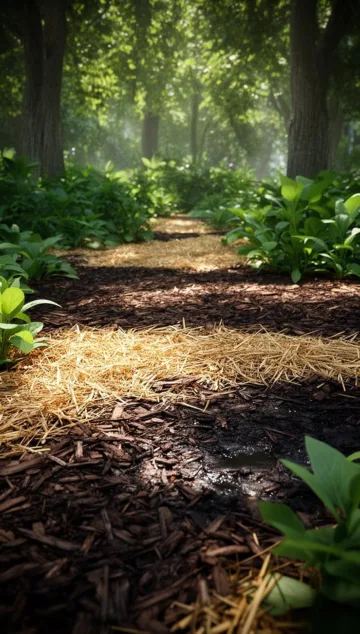
The Ultimate Guide to Transforming Your Beds: Why Mulching is a Game-Changer
If you have ever spent a grueling Saturday afternoon pulling stubborn weeds only to see them return a week later, you know the frustrations of gardening. What if there was one simple step that could slash your weeding time, keep your plants hydrated during a heatwave, and nourish your earth all at once? Entering the world of mulching is often the “lightbulb moment” for hobby gardeners. Understanding the wide array of garden mulch benefits can take your backyard from a struggling plot to a thriving sanctuary. When you choose to mulch garden soil, you aren’t just tidying up the appearance of your yard; you are creating a protective biological blanket that mimics the forest floor, ensuring your perennials, vegetables, and shrubs have the best possible environment to grow.
The Science Behind the Shield: How Mulch Works
Regulating Soil Temperature
Plants, much like humans, don’t like extreme temperature swings. In the height of summer, bare soil can bake under the sun, reaching temperatures that stress delicate root systems. Conversely, early spring frosts can wreak havoc on emerging shoots. Mulch acts as an insulator, keeping the ground cooler in the summer and holding in residual warmth when the air turns chilly.
Moisture Retention and Water Efficiency
Evaporation is the enemy of a thirsty garden. Without a protective layer, water quickly escapes the soil surface. By applying organic materials, you trap that moisture where it belongs—at the roots. This means you can spend less time holding a hose and less money on your water bill, all while protecting your plants from drought stress.
Choosing the Right Material for Your Garden
Organic vs. Inorganic Options
Organic mulches, such as wood chips, shredded bark, straw, and compost, are the gold standard for most gardeners. They improve soil structure as they decompose. Inorganic options like river rocks, landscape fabric, or rubber nuggets are permanent and great for aesthetics or weed suppression in non-planting areas, but they don’t feed the earth.
Bark and Wood Chips
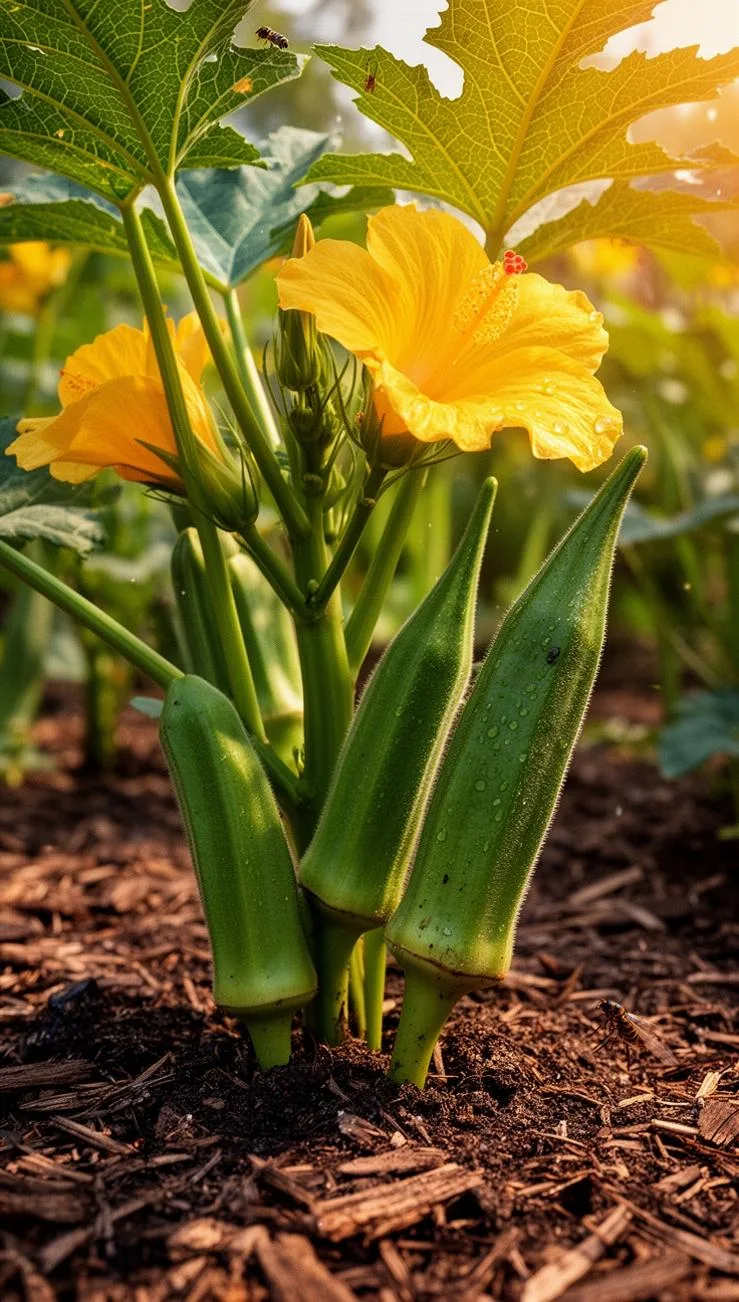
These are the most common choices for flower beds and around trees. Hardwood chips last a long time, while cedar and pine nuggets offer a pleasant scent and can even help repel certain insects. They provide a clean, professional look that lasts for two to three seasons.
Straw and Pine Straw
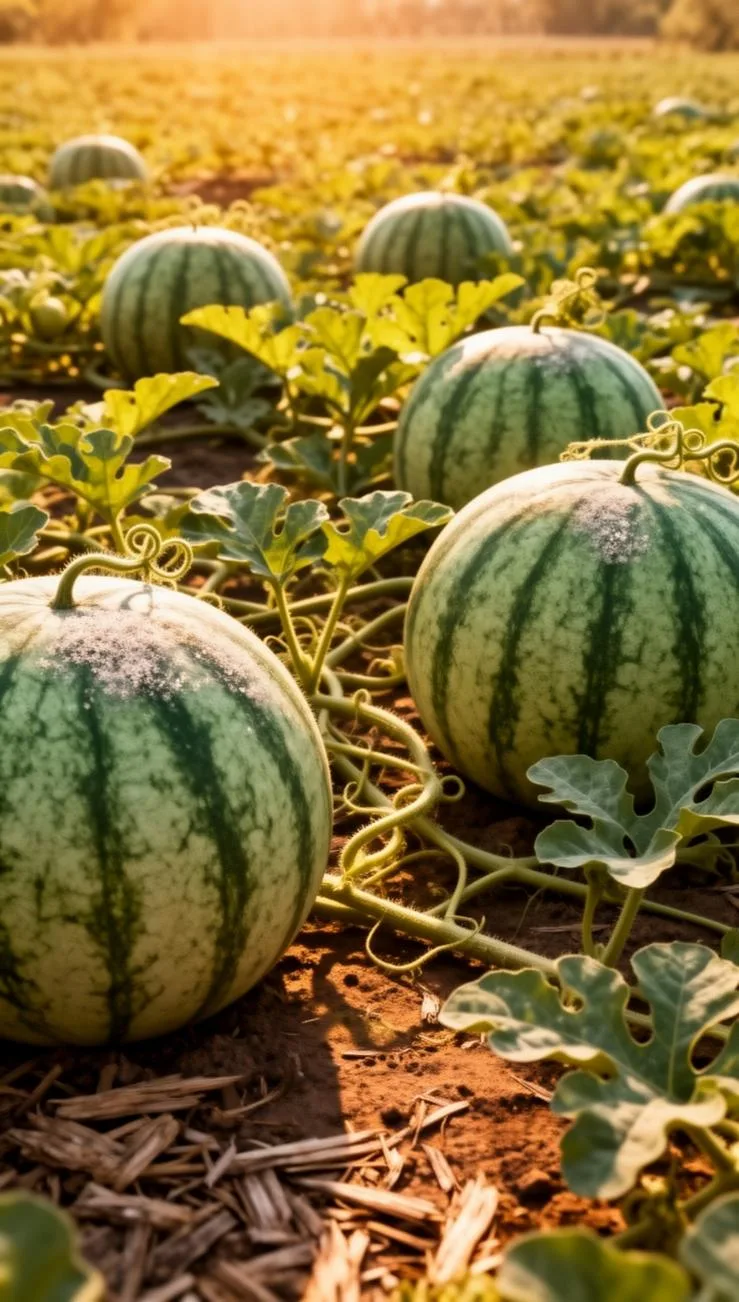
Straw is the favorite for vegetable patches. It’s easy to move and keeps low-hanging fruit, like strawberries or cucumbers, off the damp dirt. Pine straw (pine needles) is excellent for acid-loving plants like azaleas, blueberries, and rhododendrons, as it slightly lowers the pH as it breaks down.
Setting Up for Success: A Step-by-Step Guide
Applying mulch is more than just dumping a bag of wood chips on the ground. To truly maximize the garden mulch benefits, you need a strategic approach. If you mulch garden soil correctly during the late spring or early fall, you set your landscape up for year-round health.
Step 1: Clean Your Garden Beds
Before putting anything down, remove existing weeds by the root. If you mulch over weeds, they may still find a way through. Rake the soil surface to level it out and remove large debris or fallen branches.
Step 2: Check Soil Moisture
Never mulch over bone-dry ground. The layer can sometimes act as a barrier to light rain, so you want to ensure the earth is already hydrated. Give your garden a deep soak the evening before you plan to mulch.
Step 3: Edge Your Beds
Use a spade or a power edger to create a clean “V” shaped trench between your lawn and your garden bed. This prevents grass from creeping into your mulch and gives the finished project a crisp, professional look.
Step 4: Spread the Material
Distribute the mulch evenly using a rake or your hands. Aim for a thickness of 2 to 3 inches. Any thinner and weeds will poke through; any thicker and you might prevent oxygen from reaching the soil.
Step 5: The “Donut,” Not the “Volcano”
When working around trees or woody shrubs, keep the mulch a few inches away from the trunk. Piling mulch against the bark (the dreaded “mulch volcano”) can cause rot and invite pests to chew on the tree.
Tips from Experienced Gardeners
Use “Free” Resources
Don’t overlook the treasures in your own yard. Shredded autumn leaves make one of the best nutrient-dense mulches available. If you have a lawn mower with a bagging attachment, run it over your fallen leaves to create “leaf mold,” which is gold for your garden.
Nesting for Beneficial Insects
While we love a tidy garden, consider leaving a small corner of your yard unmulched or lightly covered with natural debris. This provide a habitat for ground-nesting bees and other beneficial insects that help pollinate your flowers and eat pests.
Common Mistakes to Avoid
Using “Hot” Mulch
Fresh wood chips from a tree service can sometimes be “hot,” meaning they are still actively decomposing and generating heat. This process can temporarily rob the soil of nitrogen. Let fresh chips age for a few months or use them only on pathways rather than around delicate annuals.
Ignoring the Secondary Growth
Sometimes, cheap mulch contains weed seeds. Always try to buy from a reputable nursery to ensure you aren’t accidentally planting a crop of thistles along with your mulch. Organic certified straw is also preferred for vegetable gardens to avoid herbicide residues.
Tools and Materials Needed
- The Mulch of Choice: Calculate your square footage to ensure you buy enough. (Length x Width x Depth in feet / 27 = Cubic Yards).
- Square Point Shovel: Perfect for scooping material out of a truck bed or a pile.
- Garden Rake: Used to spread the material evenly across the surface.
- Wheelbarrow: Essential for transporting heavy bags or bulk loads.
- Gardening Gloves: Protect your hands from splinters and potential skin irritants in dyed mulches.
- Hand Trowel: For reaching tight spaces between closely planted perennials.
Seasonal and Climate Considerations
Mulching for Winter Protection
In colder climates, a late fall application is vital. Once the ground has frozen, adding a layer of straw or evergreen boughs helps prevent “frost heaving,” where the ground freezes and thaws repeatedly, literally pushing plants out of the dirt.
Arid vs. Humid Climates
In very dry climates, a thicker mulch layer is your best defense against the sun. However, in extremely humid or rainy areas, go a bit thinner (1 to 2 inches) to ensure the soil doesn’t stay waterlogged, which can lead to fungal diseases like root rot.
Major Advantages for Every Plant Type
Vegetable Gardens
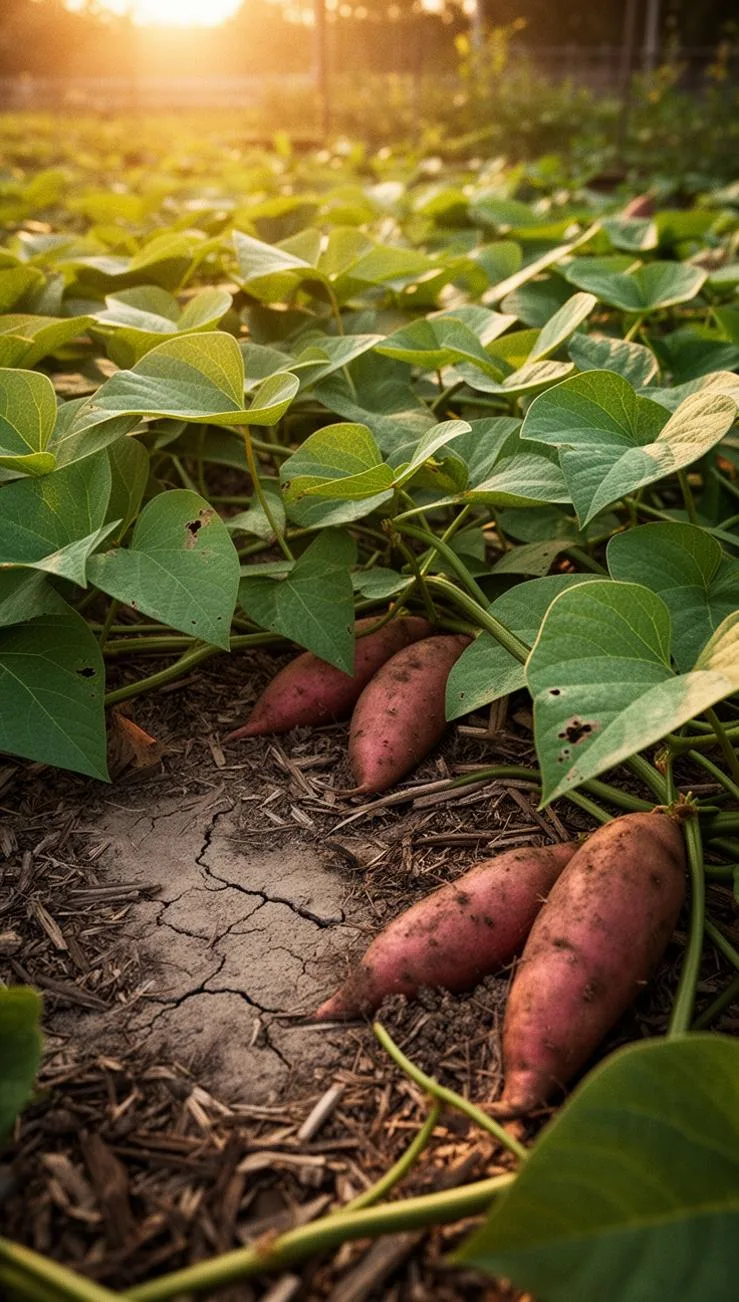
Mulching prevents soil-borne diseases from splashing up onto leaves during rainstorms. For example, tomato blight is often caused by spores in the dirt hitting the lower leaves. A clean layer of straw breaks that cycle.
New Trees and Shrubs
Young trees have limited root systems. Mulch creates a “safety zone” that keeps lawnmowers and string trimmers away from the sensitive bark while reducing competition from grass for water and nutrients.
Alternative Methods: Living Mulch
Groundcovers as Protection
If you prefer not to haul bags of bark every year, consider “living mulch.” These are low-growing groundcovers like Creeping Thyme, Sedum, or Clover. These plants cover the soil surface, providing the same cooling and weed-suppressing effects while adding beautiful flowers to your landscape.
Sheet Mulching (Lasagna Gardening)
For new garden beds, try sheet mulching. Lay down a layer of cardboard or newspaper over grass, soak it with water, and pile mulch on top. This smothers the grass and weeds naturally, composting them in place to create incredibly rich soil for future planting.
Conclusion
Mastering the art of mulching is perhaps the most effective way to ensure your garden thrives with minimal intervention. By understanding the garden mulch benefits, you transform your backyard into an efficient ecosystem that manages its own moisture and fertility. Whether you choose classic cedar chips for your flower beds or nutrient-rich compost to mulch garden soil in your vegetable patch, the results will be evident in the vigor of your plants and the reduction in your daily chores. Happy gardening!
Frequently Asked Questions
How often should I replace my mulch?
Organic mulches like shredded bark typically need a “top-off” once a year. Depending on decomposition rates, you may need to add an inch every spring to maintain the desired thickness.
Can mulch attract termites?
While mulch provides a moist environment that termites like, it doesn’t necessarily attract them to your home from afar. To be safe, keep any wood-based mulch at least 6 inches away from your home’s foundation.
Is dyed mulch safe for my plants?
Most modern colored mulches (red, black, or brown) use vegetable-based dyes or iron oxide, which are safe. However, check the bag to ensure the wood source isn’t recycled pallets that might contain chemicals.
Should I use landscape fabric under mulch?
For permanent paths or rock gardens, fabric is fine. However, in garden beds, it is often discouraged because it prevents organic mulch from mixing with the soil and can eventually become a tangled mess for plant roots.
Does mulch change the pH of the soil?
Generally, mulch has a very minimal impact on soil pH. Even pine needles, which are acidic, only affect the top millimeter of soil significantly. Most plants will grow perfectly fine regardless of the mulch type used.