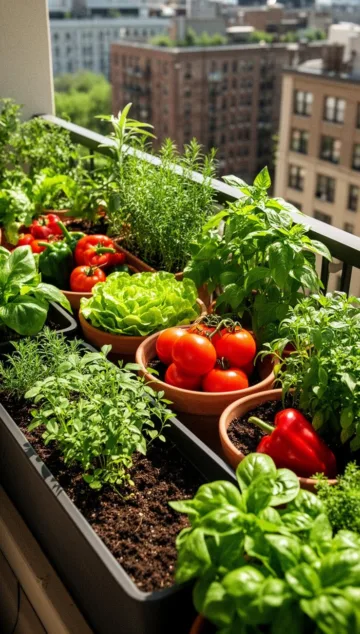
Grow Your Own Fresh Produce: The Best Vegetables for Containers!
Welcome to Your Blooming Balcony!
Ever dreamed of stepping onto your balcony or patio and plucking fresh herbs or vibrant veggies for your dinner? Many people think gardening requires a sprawling yard, but this simply isn’t true! With a little planning and the right approach, you can cultivate a thriving container vegetable garden right in your own home. Whether you’re a seasoned green thumb or just starting out, growing vegetables for containers is an incredibly rewarding experience. It’s a fantastic way to enjoy the freshest ingredients, add a touch of green to your urban landscape, and even reduce your grocery bill. This guide is packed with practical advice to help you create your own productive edible oasis, no matter how small your space. Let’s get growing!
Choosing Your Container Champions: Top Vegetables for Pots
Not all vegetables are created equal when it comes to container gardening. Some varieties are naturally more compact, thrive in limited root space, and produce abundantly without needing vast amounts of soil. Selecting the right plants is key to success and will save you a lot of frustration.
Compact & Bush Varieties Are Your Best Friends
When you’re limited by the size of your pots, looking for “bush” or “dwarf” varieties of your favorite plants is a smart move. These have been bred to stay smaller and more manageable. Think bush beans instead of pole beans, or patio tomatoes instead of sprawling indeterminate types.
Root Vegetables That Surprise
You might think root vegetables are out of the question for pots, but think again! Smaller, faster-maturing varieties can do wonderfully.
- Carrots: Look for round or shorter varieties like ‘Parisian’ or ‘Nantes’. Deep pots are still necessary, but they’re surprisingly forgiving.
- Radishes: These are super quick growers and fantastic for shallow containers. Their rapid growth cycle makes them perfect for beginner success.
- Beets: You can harvest both the roots and the delicious greens. Choose varieties bred for smaller root sizes.
Leafy Greens: The Easiest Wins
Leafy greens are often the go-to for beginner container gardeners, and for good reason! They grow quickly, don’t require deep pots, and you can often harvest leaves repeatedly.
- Lettuce: Leaf lettuce varieties are ideal as you can snip the outer leaves and let the plant continue producing.
- Spinach: Similar to lettuce, spinach is a cool-season crop that thrives in containers and offers continuous harvests.
- Kale: This superfood is incredibly hardy and can withstand a range of conditions. Harvest the outer leaves regularly.
- Arugula: With its peppery bite, arugula is a fast-growing addition that’s perfect for salads.
Fruiting Plants That Delight
While they might require a bit more attention and sun, several fruiting vegetables can produce prolifically in containers.
- Tomatoes: Cherry tomatoes and determinate (bush) varieties are your best bet. Look for patio or dwarf types specifically bred for pots.
- Peppers: Both sweet bell peppers and hot chili peppers do well. They love heat and sun, making them ideal for sunny balconies.
- Eggplant: Smaller varieties of eggplant can be very productive. Ensure they have ample sunlight and warmth.
- Cucumbers: Look for “bush” or “patio” varieties that are bred to be more compact. You might still need a small trellis.
- Bush Beans: These are productive and relatively compact, filling out pots nicely.
Herbs: The Quintessential Container Crop
While not strictly vegetables, herbs are a must-mention for any container gardener. They are incredibly easy to grow and add immense flavor to your cooking. Basil, mint, parsley, chives, oregano, and thyme are all excellent choices for pots.
Step-by-Step Guide to Your Container Vegetable Garden
Ready to get your hands dirty? Setting up a successful container vegetable garden is straightforward with these steps. Remember, the goal is to mimic the conditions your plants love from their natural environment, but on a smaller scale.
1. Choose Your Containers: Select pots that are appropriately sized for the vegetables you want to grow. Deeper pots are needed for root vegetables, while shallower ones work for leafy greens. Ensure all containers have drainage holes to prevent waterlogging. Terra cotta, plastic, fabric grow bags, or even repurposed buckets can work.
2. Select Your Soil: Don’t use garden soil from your yard! It compacts too easily in pots. Opt for a high-quality potting mix specifically designed for containers. This mix is lighter, drains well, and provides aeration for roots. You can also amend it with compost for extra nutrients.
3. Pick Your Plants: Based on the section above, choose vegetables for containers that suit your space, sunlight, and preferences. Consider your climate and the sun exposure your container location will receive.
4. Planting Time: Follow the seed packet or seedling tag instructions for spacing and planting depth. For seeds, sow them at the recommended depth and water gently. For seedlings, carefully remove them from their nursery pots, loosen any tightly bound roots, and plant them at the same depth they were in their original container.
5. Water Wisely: Container plants dry out much faster than those in the ground. Check your pots daily, especially during hot weather. Water thoroughly until you see water draining from the bottom. Avoid overwatering, as this can lead to root rot.
6. Feed Your Plants: Potting mix contains nutrients, but they get depleted over time. Start feeding your plants with a balanced liquid fertilizer every 2-4 weeks, following the product instructions. Organic options like fish emulsion or worm tea are also excellent.
7. Sunlight is Key: Most vegetables need at least 6-8 hours of direct sunlight per day to thrive and produce fruit. Position your containers in the sunniest spot available.
Tips from Experienced Gardeners
- Group Plants by Water Needs: If you have multiple containers, try to group plants that require similar watering schedules together. This makes watering more efficient.
- Consider Vertical Gardening: For vining plants like cucumbers or some types of beans, use trellises, stakes, or cages within the container to grow upwards. This saves space and improves air circulation.
- Rotate Crops: If you replant the same container, consider rotating what you grow each season or year to prevent soil-borne diseases and nutrient depletion.
- Mulch Your Pots: A light layer of mulch (like straw or shredded bark) on top of the soil helps retain moisture and keeps roots cooler.
- Don’t Be Afraid to Prune: For plants like tomatoes or peppers, strategic pruning can encourage bushier growth and better fruit production.
Common Mistakes to Avoid
- Using Garden Soil: As mentioned, this is a surefire way to end up with compacted, poorly draining soil. Always use potting mix.
- Inadequate Drainage: Not drilling holes or using pots without them will drown your plants.
- Overcrowding: Planting too many seeds or seedlings in one pot leads to competition for light, water, and nutrients, resulting in stunted growth.
- Neglecting Watering: This is one of the most common pitfalls for beginner container gardeners. Check your pots religiously!
- Too Little Sunlight: Trying to grow sun-loving vegetables in a shady spot will yield disappointing results.
Tools or Materials Needed
- Containers: Pots, planters, grow bags, window boxes with drainage holes.
- Potting Mix: High-quality, well-draining mix.
- Seeds or Seedlings: Choose varieties suitable for containers.
- Watering Can or Hose with Gentle Nozzle: For watering.
- Fertilizer: Balanced liquid fertilizer or slow-release granules.
- Trowel and Hand Fork: For planting and tending to your plants.
- Gloves: To keep your hands clean.
- Trellises/Stakes/Cages (Optional): For climbing or vining plants.
- Mulch (Optional): Straw, shredded bark, compost.
Seasonal or Climate Considerations
The best vegetables for containers will also depend on where you live and the time of year.
- Spring: Cool-season crops like lettuce, spinach, peas, and radishes are great for early planting.
- Summer: As temperatures rise, focus on heat-lovers like tomatoes, peppers, eggplant, and bush beans. Ensure they get plenty of sun and consistent watering.
- Fall: Many leafy greens can be grown again in the cooler fall weather. Consider planting quick-growing crops like radishes or planting herbs that can be brought indoors.
- Winter: In milder climates, kale and some hardy herbs can survive. In colder regions, consider a small indoor grow light setup for herbs or microgreens. Always consider your local frost dates when planning your planting schedule.
Benefits of This Gardening Method or Plant
Growing vegetables in containers offers a multitude of advantages for gardeners of all levels.
- Space Efficiency: Perfect for balconies, patios, rooftops, and even windowsills.
- Accessibility: Easier to manage for those with limited mobility.
- Pest Control: Often easier to keep pests at bay compared to in-ground gardens.
- Soil Control: You control the quality of the soil, avoiding compaction and poor drainage issues common in some natural soils.
- Fresh, Healthy Food: Access to the freshest possible produce, free from long-distance transport.
- Educational: A fantastic way to teach children about where food comes from.
- Aesthetic Appeal: Adds beauty and life to outdoor living spaces.
Alternative Methods
While traditional pots are popular, there are other innovative ways to create a container vegetable garden:
- Vertical Garden Towers: These multi-tiered systems allow you to grow many plants in a small footprint, ideal for herbs and strawberries.
- Hanging Baskets: Great for trailing tomatoes, strawberries, and some herbs.
- Window Boxes: Ideal for shallow-rooted plants like lettuce, spinach, radishes, and herbs.
- Fabric Grow Bags: Lightweight, breathable, and promote excellent root health. They come in various sizes.
- Repurposed Items: Get creative with old buckets, crates, or even sturdy shopping bags (with added drainage holes!).
Conclusion
Embarking on a container vegetable garden journey is a rewarding and accessible way for anyone to grow their own food, regardless of space constraints. By selecting the right vegetables for containers, utilizing good potting mix, and providing consistent care, you can transform a small balcony or patio into a productive and beautiful edible landscape. Remember to pay attention to sunlight, watering, and feeding, and you’ll be enjoying the freshest produce imaginable right from your doorstep. Happy gardening!
Frequently Asked Questions (5 FAQs)
Q1: Can I use regular garden soil in my containers?
A1: No, it’s strongly recommended to use a high-quality potting mix specifically designed for containers. Garden soil compacts too much in pots, hindering drainage and aeration, which can suffocate plant roots.
Q2: How often should I water plants in containers?
A2: This varies depending on the plant, container size, weather, and sunlight. As a general rule, check your containers daily. Water thoroughly when the top inch of soil feels dry. Container plants dry out much faster than those in the ground.
Q3: What kind of sunlight do most vegetables need for container gardening?
A3: Most vegetables, especially fruiting ones like tomatoes and peppers, require at least 6-8 hours of direct sunlight per day. Leafy greens and some herbs can tolerate partial shade (4-6 hours of sun), but full sun generally yields the best results for most edible plants in containers.
Q4: How often should I fertilize my container vegetables?
A4: Potting mix nutrients are depleted over time. Start feeding your plants with a balanced liquid fertilizer or slow-release granules every 2-4 weeks, following the product’s instructions. This ensures your plants have the energy to produce.
Q5: What are the best vegetables for small containers?
A5: For smaller containers, focus on shallow-rooted and compact plants like radishes, lettuce, spinach, arugula, bush beans, herbs (basil, chives, mint), and dwarf varieties of peppers. Always check the mature size of the plant before choosing your container.