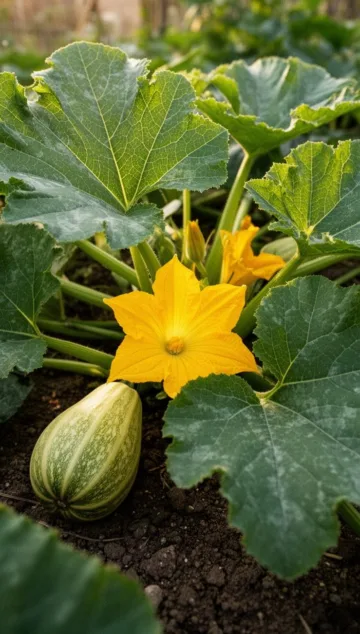
From Seed to Supper: Your Ultimate Guide to Grow Squash
Welcome to the Wonderful World of Squash!
So, you’ve been bitten by the gardening bug and are looking to add some serious flavor and fun to your patch? Growing your own squash is an incredibly rewarding experience that can yield delicious results right from your backyard. Whether you’re dreaming of vibrant summer zucchini or hearty winter butternut, learning how to grow squash is a fantastic step for any gardener. It’s not as intimidating as you might think! With this comprehensive squash planting guide, we’ll walk you through everything you need to know to cultivate these versatile plants successfully, from sowing that first seed to harvesting a bountiful crop. Get ready to transform your garden and your kitchen!
Why Grow Squash? The Sweet & Savory Rewards
Squash plants are often celebrated for their prolific nature. Many varieties are incredibly productive, meaning a few plants can supply you with plenty of produce throughout the season and even allow for storage. Imagine fresh zucchini noodles in July or roasted acorn squash all winter long – the possibilities are endless! Plus, homegrown squash often boasts superior flavor and texture compared to store-bought varieties. You have the unique opportunity to select heirloom or unusual types that you won’t easily find at your local market. Beyond the delicious harvest, the vigorous growth of squash plants can also be a beautiful addition to your garden, with large, attractive leaves and vibrant flowers. It’s a satisfying journey to nurture a plant from a tiny seed into a food-producing powerhouse.
Choosing Your Squash Adventure: Types to Grow
The world of squash is wonderfully diverse, generally falling into two main categories: summer squash and winter squash. Understanding the difference is key when you decide what to grow squash.
Summer Squash Varieties
These are harvested when they are young and tender, with edible skin and seeds. They have a shorter growth cycle and are typically eaten soon after harvesting.
- Zucchini: The most popular summer squash, known for its smooth skin and mild flavor. Available in green, yellow, and even striped varieties.
- Yellow Squash: Often distinctively shaped (straightneck or crookneck), with a slightly sweeter flavor than green zucchini and edible, tender seeds.
- Scallopini/Pattypan: These have a distinct disc shape with scalloped edges and a delicate, slightly nutty flavor.
Winter Squash Varieties
These are harvested when mature, with hard skins and mature seeds. They can be stored for extended periods, making them perfect for enjoying throughout the fall and winter.
- Butternut Squash: Famous for its sweet, nutty flesh and smooth, tan skin. It has a distinctive pear shape.
- Acorn Squash: Known for its sweet, yellowish flesh and its characteristic ribbed, dark green rind with an orange blush. It’s often baked and served in its own shell.
- Spaghetti Squash: When cooked, its flesh separates into spaghetti-like strands, offering a healthy pasta alternative.
- Pumpkin: While often considered a separate category, pumpkins are technically winter squash, valued for their flesh and for decorative purposes.
When selecting varieties, consider your climate, space, and what you like to eat! Some squash varieties, especially vining types, require more space than bush varieties.
Step-by-Step Instructions: Your Squash Planting Guide
Ready to get your hands dirty? Following this squash planting guide will set you up for success. Whether you’re starting from seed or seedlings, the process is straightforward.
1. Site Selection: Sunny Spots are Key!
Squash plants are sun-worshippers! They need at least 6-8 hours of direct sunlight per day. Choose a location in your garden that receives ample sunshine. Good air circulation is also important to help prevent fungal diseases.
2. Soil Preparation: Rich and Well-Drained
Squash plants are hungry feeders. Amend your soil generously with compost or well-rotted manure before planting. This enriches the soil with nutrients and improves drainage. Squash prefers slightly acidic to neutral soil (pH 6.0-7.0). If you have heavy clay soil, adding compost will help improve its structure.
3. Planting Your Squash Seeds or Seedlings
- Starting from Seed: You can sow squash seeds directly into the garden after all danger of frost has passed and the soil has warmed up (ideally to at least 60°F or 15°C). Sow seeds about 1 inch deep and 6 inches apart. For bush varieties, space plants about 3 feet apart. For vining varieties, give them plenty of room (4-6 feet apart) or plan for trellising. You can also start seeds indoors 2-3 weeks before your last frost date in peat pots to minimize root disturbance.
- Planting Seedlings: If you bought seedlings or started them indoors, transplant them carefully into the garden. Handle the root ball gently to avoid damage. Plant them at the same depth they were in their pots.
4. Watering Wisely
Consistent moisture is crucial, especially during flowering and fruit development. Water deeply at the base of the plant, preferably in the morning, so the leaves can dry before nightfall. Avoid overhead watering, which can encourage fungal diseases. Aim to keep the soil consistently moist, but not waterlogged. Mulching around the plants helps retain moisture and suppress weeds.
5. Feeding Your Plants
Since squash are heavy feeders, a side dressing of compost or a balanced organic fertilizer a few weeks after the plants start to flower can give them an extra boost. Follow the fertilizer package directions carefully.
6. Pollination Power
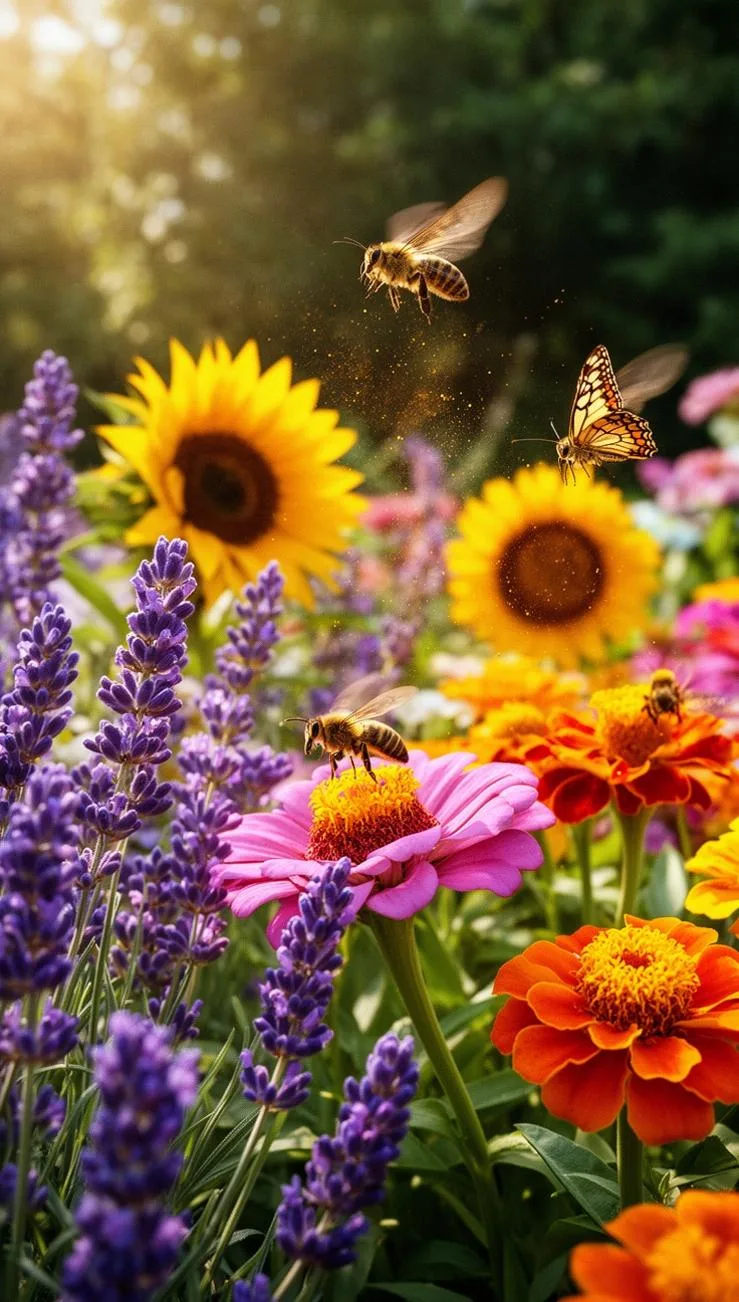
Squash flowers are insect-pollinated, primarily by bees. Female flowers (which have a tiny swelling at their base, the immature fruit) need pollen from male flowers to produce fruit. If you don’t see many bees, you may need to hand-pollinate by transferring pollen from a male flower to a female flower using a small brush or cotton swab.
7. Support and Spacing
For vining varieties, consider trellising them vertically. This saves space, improves air circulation, and can result in cleaner, straighter fruit. Ensure your trellis is sturdy enough to support the weight of the plant and its fruit. Proper spacing, as mentioned, is vital for disease prevention and healthy plant growth.
Tips from Experienced Gardeners
- Succession Planting: For a continuous harvest of summer squash, sow seeds every 2-3 weeks until mid-summer.
- Mulch, Mulch, Mulch! A thick layer of straw or compost around your squash plants is magic. It conserves moisture, suppresses weeds, and keeps the fruit clean and off the soil.
- Vine Training: Gently guide vining squash onto their supports as they grow. You can also train them to grow along a fence or a designated path.
- Check for Pests Regularly: Keep an eye out for squash bugs, vine borers, and cucumber beetles. Early detection is key to managing infestations.
Common Mistakes to Avoid
- Planting Too Early: Squash are sensitive to frost. Planting before the soil has warmed and all danger of frost has passed can result in poor germination or damaged seedlings.
- Overwatering or Poor Drainage: Soggy roots are a recipe for disaster. Ensure your soil drains well and avoid leaving plants sitting in water.
- Inadequate Spacing: Overcrowded plants are more susceptible to pests and diseases and will produce less fruit. Give them room to breathe!
- Ignoring Pollination: If you notice lots of flowers but no fruit forming, pollination might be the issue, especially if you have few pollinators in your garden.
Tools or Materials Needed
- Seeds or Seedlings: Your chosen squash varieties.
- Garden Spade or Fork: For preparing the soil.
- Compost or Well-Rotted Manure: To enrich your soil.
- Watering Can or Hose with Gentle Nozzle: For watering.
- Mulch: Straw, shredded leaves, or compost.
- Trellis or Support (Optional): For vining varieties.
- Organic Fertilizer (Optional): For boosting plant nutrition.
- Hand Trowel: For planting seedlings.
- Gloves: To protect your hands.
Seasonal or Climate Considerations
Squash are warm-season crops.
- Spring: Plant seeds or seedlings outdoors only after the last frost date and when soil temperatures are consistently warm. For regions with very short summers, starting seeds indoors is often necessary.
- Summer: This is peak growing season. Ensure plants are well-watered and watch for pests. Summer squash will begin producing fruit relatively quickly.
- Fall: Harvest winter squash before the first hard frost. Summer squash production will slow down as temperatures cool.
- Climate: In hotter climates, providing some afternoon shade during extreme heat can be beneficial. In cooler climates, choose faster-maturing varieties or start seeds indoors.
Benefits of Growing Your Own Squash
- Freshness & Flavor: Homegrown squash simply tastes better!
- Nutritional Powerhouse: Squash are packed with vitamins and minerals.
- Variety: Access to unique heirloom and specialty varieties.
- Cost-Effective: Growing your own can save money on groceries.
- Satisfaction: The joy and fulfillment of eating what you’ve grown.
- Pesticide-Free (if managed organically): Control over what goes onto your food.
Alternative Methods: Container and Vertical Gardening
Don’t have a large garden? No problem!
- Container Gardening: Bush varieties of summer squash can thrive in large containers (at least 5 gallons, preferably larger). Ensure pots have excellent drainage and that the plants receive plenty of sun and water.
- Vertical Gardening: As mentioned, vining squash are perfect for trellising. This method maximizes space, improves air circulation, and makes harvesting easier. You can use sturdy cages, arbors, or custom-built trellises.
Conclusion: Harvesting Your Squash Success
By following this comprehensive squash planting guide, you’re well on your way to a bountiful harvest. Remember, patience, observation, and a little bit of care will go a long way. Learning how to grow squash is a journey filled with delicious rewards, from the first tender zucchini to the sweet, roasted flesh of a winter butternut. Enjoy the process, savor the flavors, and embrace the satisfaction of homegrown goodness!
Frequently Asked Questions (FAQs)
- Q1: How long does it take for squash to grow?
A1: Summer squash typically mature in 45-65 days from planting. Winter squash take longer, usually 80-120 days, as they need to fully mature on the vine for storage.
- Q2: Why are my squash flowers blooming but not producing fruit?
A2: This is often due to pollination issues. Either there aren’t enough pollinators (bees), or the male and female flowers aren’t getting pollinated effectively. Hand-pollination can help. Another reason can be that the plant is putting energy into just growing leaves.
- Q3: How do I know when to harvest summer squash?
A3: Harvest summer squash when they are young, tender, and the skin is easily pierced with a fingernail. For zucchini, this is usually when they are 6-8 inches long. Overripe summer squash become watery and seedy.
- Q4: How do I know when to harvest winter squash?
A4: Winter squash are ready when the rind is hard enough that you can’t easily pierce it with a fingernail, the stem is dry and woody, and the squash has developed a deep, solid color. Harvest before the first hard frost.
- Q5: What are squash bugs and how do I get rid of them?
A5: Squash bugs are common pests that suck the sap from squash plants, weakening them. You can handpick them (especially the nymphs, which are usually clustered together), use insecticidal soap, or introduce beneficial insects like predatory stink bugs. Keeping fallen fruit picked up can also help reduce their habitat.