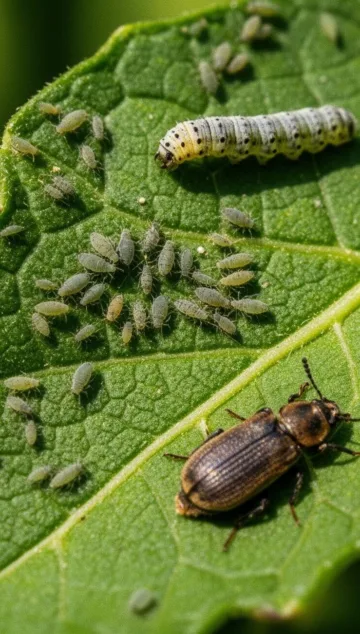
Decoding Your Garden’s Unwanted Guests: A Beginner’s Guide to Pest Patrol!
Unmasking Your Garden’s Pests: Your First Step to a Thriving Oasis
Welcome, fellow green thumbs, to the wonderfully rewarding world of gardening! As you nurture your plants from tiny seeds to fruitful bounty, you might notice some unwelcome visitors making themselves at home. Don’t despair! Understanding and identifying these tiny troublemakers is the crucial first step in protecting your precious plants. Effective garden pest identification is your superpower for cultivating a vibrant and healthy garden. This guide will equip you with the knowledge to spot, understand, and manage the most common garden pests, turning you into a garden detective in no time.
Why Pest Identification is Key to Garden Success
Imagine spending weeks lovingly tending to your tomato plants, only to find chewed leaves and stunted growth. Frustrating, right? Many gardeners initially panic and reach for the nearest spray. However, without proper garden pest identification, you might be using the wrong treatment, harming beneficial insects, or even making the problem worse. Knowing exactly which pest you’re dealing with allows you to choose the most targeted, effective, and environmentally friendly solution. It’s about working with your garden’s ecosystem, not against it.
What Does a Pest Problem Actually Look Like?
Pests aren’t always obvious. Sometimes, the signs are subtle, mimicking symptoms of disease or nutrient deficiency. Learning to distinguish between them is a vital part of garden pest identification.
#### Visual Clues: What to Look For
- Leaf Damage: Holes, chewed edges, skeletonized leaves (only veins remain), wilting, yellowing, or spots can all be indicators of pest activity.
- Stems and Roots: Look for galls (swellings), boreholes, or roots that appear nibbled or unhealthy.
- Flowers and Fruits: Spots, deformities, or holes in blossoms and developing fruits are tell-tale signs.
- Excrement (Frass): Tiny black specks, resembling sawdust or coffee grounds, are often insect droppings and a good indicator of infestation.
- Visible Pests: Of course, sometimes you’ll see the culprits themselves. Look under leaves, along stems, and around new growth.
- Webbing: Fine silken threads, particularly on new growth or undersides of leaves, often signal spider mites or certain caterpillars.
- Discoloration: A dusty or stippled appearance on leaves can be caused by sap-sucking insects.
#### Beyond the Visual: Other Indicators
- Sticky Residue (Honeydew): Many sap-sucking insects like aphids and scale insects excrete a sugary substance called honeydew. This sticky coating can attract ants and lead to sooty mold growth, a black, powdery fungus.
- Ant Activity: While ants aren’t typically garden pests themselves, their presence can indicate an infestation of aphids or scale insects, which they “farm” for their honeydew.
- Unusual Odors: Some pest infestations can cause a distinct, unpleasant smell.
Step-by-Step Guide to Effective Garden Pest Identification
Becoming a garden detective is easier than you think. Follow these steps to master garden pest identification and tackle the common garden pests that might be lurking in your patch.
1. Observe Regularly: Make it a habit to walk through your garden daily or every other day. Look closely at your plants, paying attention to any changes in their appearance. Early detection is key!
2. Inspect Suspect Areas: When you notice damage, don’t just look at the visible problem. Get down on your hands and knees and inspect the undersides of leaves, stem joints, and the soil around the base of the plant. Many pests hide in these secret spots.
3. Collect a Sample (If Possible): If you see a suspect insect, try to get a clear picture or, if you can do it safely, collect a small sample in a sealed container. This is incredibly helpful for accurate identification.
4. Use Your Tools: A magnifying glass or hand lens can be invaluable for spotting tiny pests like spider mites or thrips.
5. Consult Resources: Use online pest identification guides (look for reputable university extension sites or horticultural organizations), gardening books, or even your local garden center for help.
6. Consider the Symptoms: Match the damage you see on the plant with the typical symptoms caused by specific pests. For example, rows of holes on bean leaves often point to the bean leaf beetle.
7. Rule Out Non-Pest Issues: Before concluding it’s a pest, consider other possibilities like nutrient deficiencies, fungal diseases, or environmental stress (like drought or too much sun).
Spotlight on Common Garden Pests
Let’s get acquainted with some of the most frequent offenders you’ll encounter.
#### Aphids
- Appearance: Small, pear-shaped insects, often green, black, brown, or pink. They tend to cluster on new growth and the undersides of leaves.
- Damage: They suck sap from plants, causing distorted growth, yellowing leaves, and stunted plants. They also excrete honeydew.
- Beneficials: Ladybugs and lacewings are natural predators.
#### Slugs and Snails
- Appearance: Slimy, soft-bodied mollusks. You’ll often find them and their tell-tale slime trails.
- Damage: They chew irregular holes in leaves, seedlings, and fruits, often at night.
- Prevention: Beer traps and barriers can be effective.
Spider Mites
- Appearance: Tiny, often invisible to the naked eye. They appear as dots and spin fine webs.
- Damage: They suck sap, causing stippling (tiny dots) and bronzing of leaves. They thrive in dry, hot conditions.
- Detection: Hold a white sheet of paper under a leaf and shake it; you’ll see tiny dots fall onto the paper.
Caterpillars
- Appearance: The larval stage of moths and butterflies. They vary widely in size, color, and texture.
- Damage: Many species chew large holes in leaves, defoliate plants, or bore into fruits and stems.
- Identification: The type of damage (e.g., large ragged holes vs. small boreholes) can help identify the specific caterpillar.
Whiteflies
- Appearance: Tiny, moth-like insects that fly up in a cloud when disturbed from the undersides of leaves.
- Damage: They suck sap, causing yellowing and weak plants. They also produce honeydew, leading to sooty mold.
Cutworms
- Appearance: Plump, grayish or brownish caterpillars that curl into a “C” shape when disturbed. They live in the soil during the day and feed at night.
- Damage: They sever young seedlings at the soil line.
Tips from Experienced Gardeners
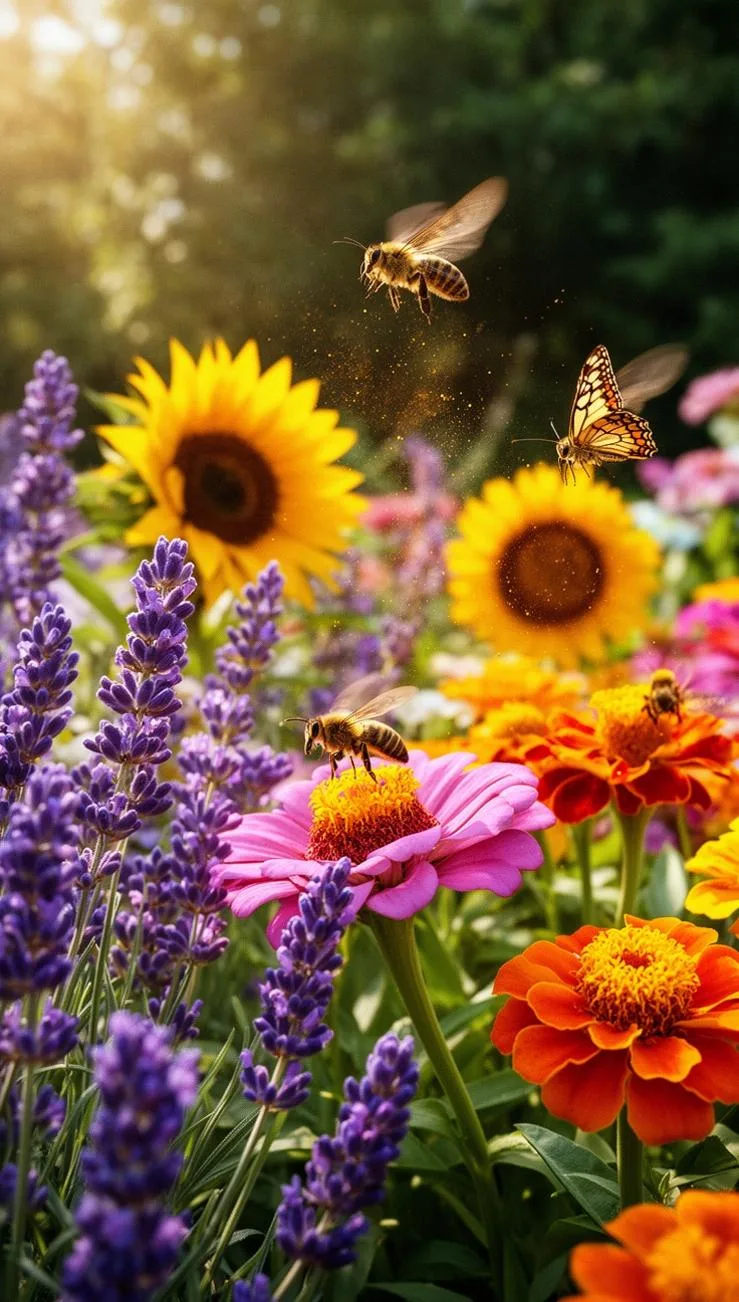
- Embrace Biodiversity: A garden with a variety of plants attracts a wider range of beneficial insects that can help keep pests in check.
- Healthy Soil, Healthy Plants: Strong, healthy plants are more resilient and better able to withstand minor pest attacks. Focus on good soil health with compost.
- Companion Planting: Certain plants can deter pests. For example, marigolds are often planted with vegetables to deter nematodes.
- Inspect New Plants: Always check new plants thoroughly for pests before introducing them to your garden.
- Water Wisely: Overhead watering can sometimes encourage fungal diseases. Watering at the base of plants can help prevent some pest and disease issues.
Common Mistakes to Avoid
- The “Spray Everything” Mentality: Don’t resort to broad-spectrum pesticides without confirming the pest and cause. You risk harming beneficial insects and pollinators.
- Ignoring the Problem: Small infestations can quickly become large ones. Early detection and intervention are crucial.
- Misidentifying Pests: Using treatments for the wrong pest can be ineffective and harmful.
- Not Considering Beneficials: Even if you see a few pests, check if their natural predators are present. Often, nature can handle minor outbreaks.
Tools or Materials Needed for Pest Patrol
- Magnifying Glass or Hand Lens: Essential for spotting tiny pests.
- Gloves: To protect your hands and for hygiene.
- Small Trowel or Dibber: For checking the soil around plant roots.
- Spray Bottle: For applying water, insecticidal soap, or neem oil.
- Collection Jars or Bags: For safely collecting samples.
- Gardening Journal or Notebook: To record observations and pest activity.
- Camera (on your phone): For taking pictures of pests for identification.
Seasonal or Climate Considerations
Pest activity varies throughout the year and with the climate.
- Spring: Look out for overwintering pests like slugs, snails, and aphid eggs hatching on new growth. Seedlings are particularly vulnerable.
- Summer: Heat and humidity can encourage outbreaks of spider mites and whiteflies. Caterpillars can be very active.
- Fall: Some pests may enter their adult stage or lay eggs for the next season. Clean up garden debris to remove hiding places.
- Dry Climates: Spider mites thrive in dry conditions.
- Wet Climates: Slugs and snails are more prevalent. Fungal diseases that can be exacerbated by pests are also more common.
Benefits of Effective Pest Management
Knowing how to identify and manage pests leads to a healthier, more productive garden. You’ll enjoy:
- Increased Yields: Fewer pests mean more energy for plants to produce fruits, vegetables, and flowers.
- Healthier Plants: Robust plants that are not under constant attack are more attractive and vibrant.
- Reduced Chemical Use: By using targeted and often organic methods, you’re creating a safer environment for yourself, your family, pets, and beneficial wildlife.
- Greater Gardening Confidence: Mastering pest identification builds confidence and makes gardening a more enjoyable and less stressful experience.
Alternative Methods
When targeted treatments are needed, consider these organic alternatives before reaching for synthetic pesticides:
- Hand-picking: For larger pests like caterpillars and slugs.
- Water Spray: A strong jet of water can dislodge aphids and spider mites.
- Insecticidal Soap: Effective against soft-bodied insects like aphids and whiteflies.
- Neem Oil: A potent natural pesticide that disrupts insect growth and feeding.
- Diatomaceous Earth: A powder that scratches insect exoskeletons, causing dehydration.
- Beneficial Insects: Introducing ladybugs, lacewings, or parasitic wasps.
Conclusion
Mastering garden pest identification is an ongoing learning process that will transform your gardening experience. By diligently observing your plants, understanding the signs of damage, and learning to recognize the most common garden pests, you’ll be well-equipped to protect your green space. This proactive approach not only leads to healthier, more abundant harvests but also fosters a more balanced and sustainable garden ecosystem. Happy pest hunting!
Frequently Asked Questions (FAQs)
What are the first signs of a pest infestation?
The first signs are usually damage to the plant, such as chewed leaves, wilting, discolored spots, or a sticky residue on leaves. You might also notice the pests themselves, especially if you inspect closely.
How can I tell if it’s a pest or a disease?
Pest damage often involves physical destruction (chewing, sucking sap) leading to visible holes, disfigurement, or yellowing. Diseases often cause spots, blights, wilting, or root rot and are typically caused by fungi, bacteria, or viruses. Observing the specific pattern of damage and looking for the insects themselves can help differentiate.
Are all bugs in my garden bad?
No, absolutely not! Many insects are beneficial, acting as pollinators (bees, butterflies) or natural predators that help control pest populations (ladybugs, lacewings, praying mantises). It’s important to identify pests before taking action to avoid harming these helpful garden residents.
What is the best time of day to check for pests?
Many pests are nocturnal (like slugs and cutworms), so early morning or late evening can be good times to spot them. However, some pests, like aphids, are active during the day, and checking under leaves any time you see damage is beneficial.
How can I prevent pests from coming into my garden in the first place?
Focus on building healthy soil and growing strong, resilient plants. Encourage beneficial insects by planting flowers that attract them. Keep your garden clean, remove diseased or infested plant material promptly, and consider using physical barriers like row covers for vulnerable seedlings.