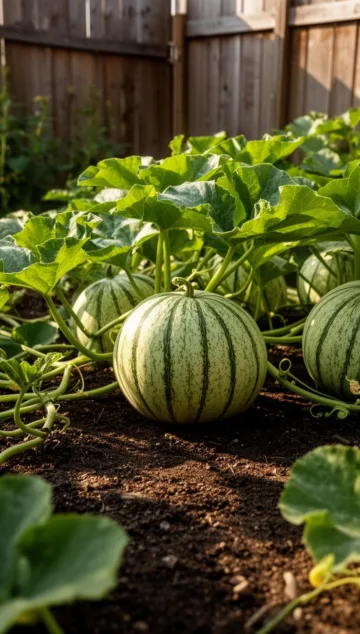
Sweet Success: Your Guide to Growing Juicy Melons!
Dreaming of Summer Sweetness: Start Your Melon Patch Today!
There’s nothing quite like the taste of a sun-ripened melon, picked fresh from your own garden. The sweet, refreshing burst of flavor is a true reward for your gardening efforts. If you’ve ever found yourself gazing longingly at those vibrant orange cantaloupes or striped watermelons at the farmer’s market, you might be wondering, “Can I really grow melons myself?” The answer is a resounding YES! With a little planning and care, you can absolutely cultivate your own delicious harvest. This guide is designed to demystify the process and provide you with a comprehensive melon planting guide, whether you’re a seasoned gardener looking to expand your offerings or a complete beginner eager to taste the sweetness of home-grown fruit. Let’s get started on transforming your garden into a melon paradise!
Choosing Your Melon Varieties
Choosing the right melon variety is the first step toward a successful harvest. Think about the space you have available and the flavors you love most.
Popular Melon Types for Home Gardens
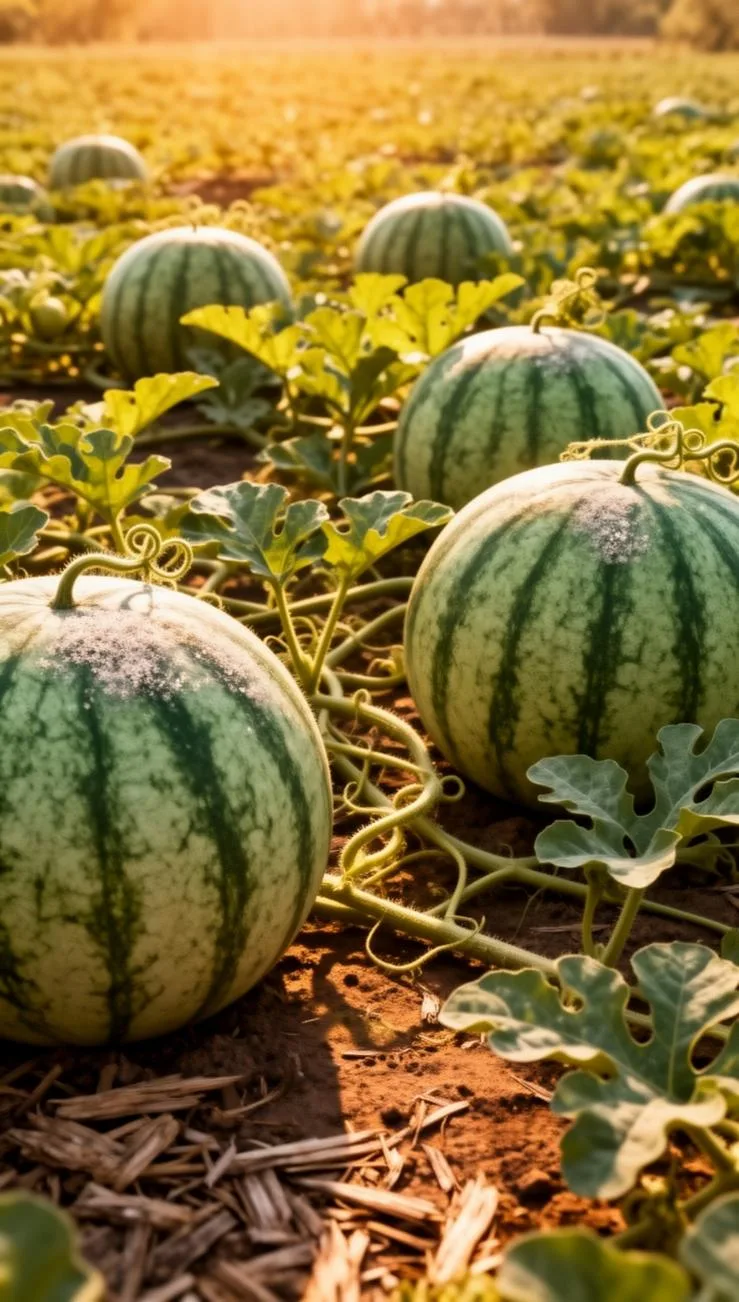
- Watermelons: From personal-sized icebox varieties like ‘Sugar Baby’ to larger slicing types like ‘Crimson Sweet’, watermelons are a summer favorite.
- Cantaloupes (Muskmelons): Known for their sweet, musky aroma and orange flesh, cantaloupes come in various sizes and textures, such as the classic ‘Hales Best’ or the prolific ‘Minnesota Midget’.
- Honeydew Melons: These melons typically have smooth, pale green to white rinds and green, subtly sweet flesh. ‘L____’ and ‘Orange Dew’ are popular choices.
- Galia Melons: A hybrid known for its sweet, aromatic flesh and netted rind, often compared to a cantaloupe but with a more intense fragrance.
Factors to Consider
- Maturity Time: Melons vary in the number of days they need to reach maturity, so choose varieties that fit your growing season.
- Disease Resistance: Look for varieties bred for resistance to common melon diseases like powdery mildew.
- Space: Vining melons require significant space, while bush varieties are more compact.
Sun, Soil, and Space: Setting the Stage for Success
Melons are sun-worshippers and soil enthusiasts. Giving them the right conditions from the start is crucial.
Sunlight Needs
Melons need at least 6-8 hours of direct sunlight per day. More sun generally means sweeter fruit. Choose the sunniest spot in your garden.
Soil Preparation
Rich, well-draining soil is key. Melons prefer slightly acidic to neutral soil (pH 6.0-7.0).
- Amend Your Soil: Before planting, work in plenty of organic matter like compost or well-rotted manure. This improves drainage, aeration, and provides essential nutrients.
- Raised Beds: If your soil is heavy clay or drains poorly, consider planting in raised beds. This offers better control over soil quality and warmer soil temperatures.
Space Requirements
Vining melons can spread out significantly, often 6-10 feet or more. Ensure you have ample room, or consider vertical gardening techniques. Bush varieties are more contained but still need adequate space for air circulation.
Step-by-Step Instructions: Your Melon Planting Guide
Ready to get your hands dirty? Follow these steps to plant your melons and set them on the path to a delicious harvest.
Starting Seeds Indoors (Optional but Recommended)
For a head start, especially in cooler climates, begin seeds indoors 2-4 weeks before the last expected frost.
1. Use biodegradable pots (like peat pots) to minimize transplant shock.
2. Fill pots with seed-starting mix.
3. Plant 1-2 seeds per pot, about 1 inch deep.
4. Keep the soil consistently moist and warm (around 70-80°F / 21-27°C). A heat mat can be helpful.
5. Ensure seedlings receive plenty of light once they sprout.
Direct Sowing Seeds Outdoors
If your last frost date has passed and the soil has warmed to at least 65°F (18°C), you can sow seeds directly into the garden.
1. Timing: Plant after all danger of frost has passed.
2. Location: Choose a sunny spot with well-drained soil that has been amended with compost.
3. Spacing:
* For vining types, plant seeds in hills (small mounds of soil) spaced 4-6 feet apart. Plant 3-5 seeds per hill.
* For bush types, spacing will vary by variety, but typically 2-3 feet apart.
4. Planting Depth: Plant seeds about 1 inch deep.
5. Watering: Water gently but thoroughly after planting.
Transplanting Seedlings
If you started seeds indoors:
1. Harden Off: About a week before transplanting, gradually expose seedlings to outdoor conditions to acclimate them.
2. Transplant:
* For vining melons started in biodegradable pots, plant the entire pot into the prepared hills, spacing hills 4-6 feet apart.
* For other seedlings, carefully remove them from their pots (if not biodegradable) and plant them at the same depth they were growing in the pot.
3. Spacing: Ensure hills or plants are spaced appropriately for the variety.
4. Watering: Water well after transplanting.
Caring for Your Growing Melons
- Thinning: Once seedlings have a few true leaves, thin to the strongest 1-2 plants per hill or seedling spot.
- Watering: Melons need consistent moisture, especially during fruit development. Water deeply at the base of the plant, avoiding wetting the leaves to prevent disease. Aim for about 1-2 inches of water per week.
- Weeding: Keep the area around your melons weed-free, as weeds compete for nutrients and water. Mulching can help suppress weeds and retain soil moisture.
- Fertilizing: You can fertilize when planting and again when the first fruits begin to form. Use a balanced fertilizer or one slightly lower in nitrogen and higher in phosphorus and potassium to encourage fruiting. Avoid over-fertilizing with nitrogen, which leads to leafy growth at the expense of fruit.
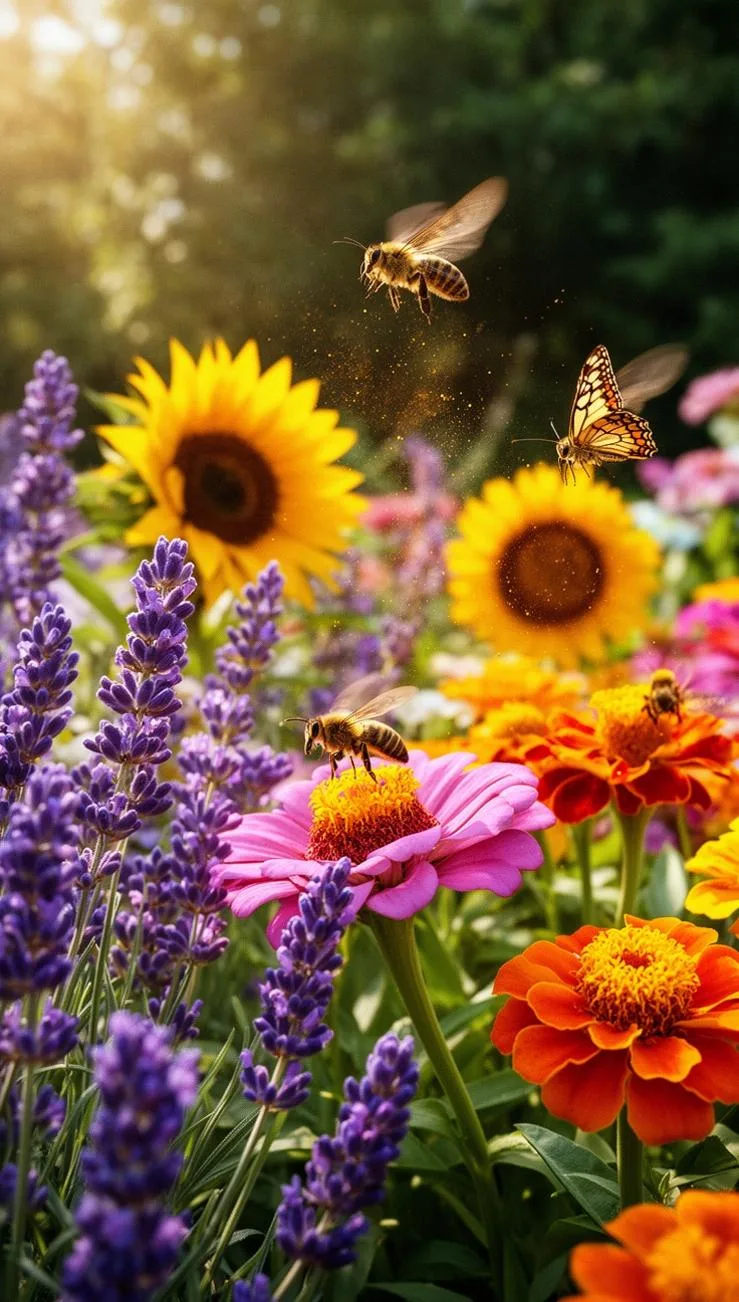
- Pollination: Melons rely on bees and other pollinators for fruit set. Avoid using pesticides during flowering. If you notice poor fruit set, you may need to hand-pollinate by transferring pollen from male to female flowers. Female flowers have a small, undeveloped melon at their base.
This comprehensive melon planting guide will help you achieve success. Your efforts to meticulously follow this melon planting guide will pay off when you grow melons bursting with flavor.
Tips from Experienced Gardeners
- Mulching is Your Friend: Use straw, black plastic, or organic mulch to retain soil moisture, suppress weeds, and keep the fruit clean. Black plastic can also warm the soil earlier in the season.
- Pruning for Productivity: For vining types, pinching off the tips of the vines can encourage branching and more fruit production. Some gardeners also prune secondary vines to focus energy on the primary ones.
- Trellising for Space: If space is limited, train vining melons to grow upwards on sturdy trellises or fences. You may need to support developing fruit with slings or nets as they grow.
- Monitor for Pests and Diseases: Regularly inspect your plants for common issues like cucumber beetles, aphids, and powdery mildew. Early detection and intervention are key.
Common Mistakes to Avoid
- Not Enough Sun: Melons are demanding of sunlight. Planting in shade will result in poor growth and no fruit.
- Inconsistent Watering: Both overwatering and underwatering can stress plants and lead to problems like blossom end rot or fruit splitting. Aim for steady, deep watering.
- Cool Soil Temperatures: Melons are warm-season crops. Planting too early in cold soil can stunt growth or kill seedlings.
- Over-Fertilizing with Nitrogen: Too much nitrogen promotes lush foliage but can delay or prevent flowering and fruiting.
- Controlling Pests Too Aggressively: Many common garden pests are also beneficial pollinators. Use targeted, less-toxic methods first.
Tools or Materials Needed
- Seeds or Seedlings: Your chosen melon varieties.
- Gardening Gloves: To protect your hands.
- Trowel and Shovel: For soil preparation and planting.
- Watering Can or Hose with a Sprayer: For gentle watering.
- Compost or Well-Rotted Manure: For soil amendment.
- Mulch: Straw, black plastic, or other organic material.
- Fertilizer: Balanced or fruit-boosting formulation.
- Trellis or Stakes (Optional): For vertical gardening.
- Small pots or seed trays (if starting indoors):
- Heat mat (if starting indoors):
Seasonal or Climate Considerations
Melons are heat-loving plants. They need a long, warm growing season to produce mature fruit.
- Warm Climates: In regions with long, hot summers, you can often direct sow seeds and enjoy a plentiful harvest. Choose heat-tolerant varieties.
- Cooler Climates: If your growing season is shorter, starting seeds indoors is highly recommended. Consider fast-maturing varieties and use season extension techniques like black plastic mulch or row covers. Planting on raised mounds or in a south-facing location can also help warm the soil.
Benefits of Growing Your Own Melons
- Unbeatable Flavor: Home-grown melons picked at peak ripeness often taste far superior to store-bought varieties.
- Freshness and Nutrition: You know exactly what went into growing them – no pesticides or artificial treatments if you choose organic methods. They are packed with vitamins and hydration.
- Satisfaction: There’s immense pride and joy in harvesting your own delicious fruit.
- Variety: You can access heirloom or unique melon varieties not typically found in supermarkets.
Alternative Methods
- Vertical Gardening: As mentioned, trellising vining melons onto fences, arbors, or dedicated supports saves space and keeps fruit off the ground, reducing rot risk. Ensure your support system is very sturdy.
- Container Growing: Smaller bush varieties can be successfully grown in large containers (at least 20-gallon pots) on patios or balconies. Ensure excellent drainage and consistent watering.
Conclusion: Taste the Sweet Rewards of Your Efforts
Growing your own melons is a rewarding experience that brings delightful flavors straight from your garden to your table. By understanding their needs for sun, fertile soil, and consistent watering, and by following a solid melon planting guide, you can successfully cultivate these juicy fruits. Remember to choose varieties suited to your climate and space, prepare your soil well, and be patient as your plants mature. This thorough melon planting guide ensures that when you grow melons, you’re set up for a bountiful and delicious harvest that will have you savoring every sweet bite. Happy gardening!
Frequently Asked Questions (FAQs)
1. When is the best time to plant melon seeds?
The best time to plant melon seeds is after all danger of frost has passed and the soil temperature has warmed to at least 65°F (18°C). In cooler climates, starting seeds indoors 2-4 weeks before the last frost date is recommended.
2. How much water do melons need?
Melons need consistent moisture, around 1-2 inches of water per week, especially during fruit development. Water deeply at the base of the plant, avoiding overhead watering which can encourage fungal diseases. Reduce watering slightly as the fruit ripens to concentrate the sugars.
3. Why aren’t my melons producing fruit?
Several factors can cause this: insufficient sunlight, poor pollination (not enough bees or hand-pollination), too much nitrogen fertilizer leading to excessive leafy growth, or stress from inconsistent watering. Ensure your plants are getting enough sun and support pollinators.
4. How do I know when my melons are ripe?
- Cantaloupes/Muskmelons: Look for a sweet aroma, netting on the rind to become prominent, and the stem where it attaches to the fruit to start to crack or “slip” from the vine.
- Watermelons: The underside of the melon (where it touches the ground) will change from white to a creamy yellow or buttery color. The tendril closest to the fruit should be dry and brown. It should also sound hollow when tapped.
- Honeydew: The rind will turn from green to a creamy yellow or off-white, and the blossom end will soften slightly.
5. Can I grow melons in containers?
Yes, but choose compact or bush varieties specifically bred for container growing. You’ll need very large pots (at least 20 gallons) with excellent drainage, and you’ll need to ensure consistent watering and regular feeding, as containers dry out more quickly than garden beds.