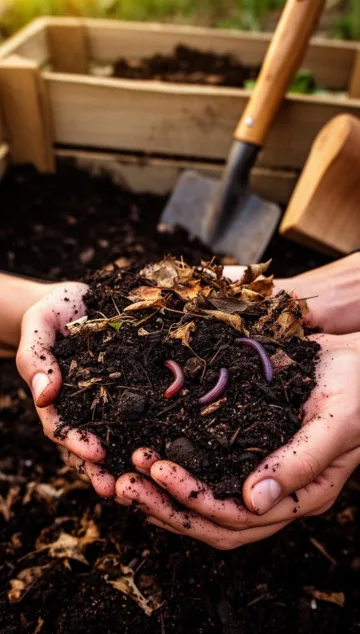
Nourish Your Plants the Natural Way: Your Guide to Organic Garden Fertilizer
Blooming Beautifully: Why Organic Matters for Your Garden
Welcome, fellow plant enthusiasts! Are you dreaming of a vibrant, thriving garden bursting with colorful blooms and delicious produce? We all want our plants to reach their full potential, and a crucial part of achieving that is providing them with the right nourishment. Today, we’re diving deep into the world of organic garden fertilizer. Think of it as a superfood buffet for your soil, packed with goodness that helps your plants grow strong, healthy, and resilient. Unlike synthetic options, organic garden fertilizer works with nature, building up your soil’s health over time and reducing your environmental footprint. It’s a win-win for both your garden and the planet, offering a sustainable and effective way to cultivate a truly flourishing green space. We’ll explore why this approach is so beneficial and how you can easily incorporate it into your gardening routine.
Understanding the Magic of Organic Nutrients
At its core, gardening is about nurturing life. And like all living things, plants need nutrients to survive and thrive. These essential elements are absorbed from the soil, and over time, as plants grow and are harvested, these nutrients get depleted. This is where fertilizer comes in – it replenishes what the soil has lost.
The Difference Between Organic and Synthetic Fertilizers
You might have seen “synthetic” or “chemical” fertilizers lining the shelves. These are typically manufactured from minerals and can provide a quick burst of nutrients. While they can make plants grow faster in the short term, they don’t contribute to long-term soil health. In fact, they can sometimes harm beneficial soil microbes and even leach into waterways.
Organic garden fertilizer, on the other hand, comes from natural sources. This includes things like composted animal manure, plant matter, worm castings, bone meal, and fish emulsion. These natural ingredients release their nutrients slowly as they break down in the soil, feeding your plants gradually and consistently. More importantly, they actively improve the soil structure, increasing its ability to retain water and air, and fostering a thriving ecosystem of beneficial microorganisms. This creates a more robust and resilient environment for your plants to grow in, season after season.
What Nutrients Do Plants Need?
Plants require three primary macronutrients:
- Nitrogen (N): Crucial for leafy green growth and overall plant vigor.
- Phosphorus (P): Essential for root development, flowering, and fruiting.
- Potassium (K): Important for disease resistance, water regulation, and overall plant health.
These are often represented by three numbers on fertilizer packaging (e.g., 5-5-5). Organic fertilizers will contain these nutrients, but the numbers might be lower than synthetic ones because they’re released more slowly. They also provide a host of micronutrients that are vital in smaller amounts for various plant functions, which synthetic fertilizers often lack.
DIY Organic Fertilizer: Brewing Your Own Plant Power
One of the most rewarding aspects of gardening is the ability to create your own nourishment for your plants. Making your own organic garden fertilizer is simpler than you might think and incredibly cost-effective. Let’s get our hands a little dirty!
Composting: The Gardener’s Gold Mine
Composting is the process of turning organic waste into a rich, dark, soil-like material. It’s the ultimate form of recycling for your garden.
- What to Compost: Fruit and vegetable scraps, coffee grounds, tea bags, eggshells, yard waste (leaves, grass clippings), shredded newspaper, and cardboard.
- What NOT to Compost: Meat, dairy, oily foods, diseased plants, and pet waste.
Once you have your compost ready, it’s a fantastic all-around fertilizer that improves soil structure and provides a slow release of nutrients.
Worm Castings: Black Gold from Your Wigglers
Worm composting (vermicomposting) uses red wiggler worms to break down food scraps into nutrient-rich castings. These castings are like a supercharged fertilizer, packed with beneficial microbes and readily available nutrients. You can buy a worm bin or even build your own!
Manure: A Classic Choice (with a Caveat!)
Well-rotted manure from herbivores like cows, horses, sheep, and chickens is an excellent source of nitrogen and other nutrients. The key word here is “well-rotted” or “composted.” Fresh manure can be too strong for plants and may burn their roots. Always ensure manure has been aged or composted for at least 6 months.
Step-by-Step: Applying Your Organic Garden Fertilizer
Getting the most out of your chosen organic garden fertilizer is all about proper application. Here’s how to do it right, whether you’re using store-bought organic blends or your homemade concoctions.
1. Assess Your Soil’s Needs: Before you start fertilizing, it’s helpful to understand what your soil might be lacking. A simple soil test (available at garden centers or through local agricultural extensions) can give you valuable insights. However, for general soil improvement and feeding, organic methods are almost always beneficial.
2. Choose Your Organic Fertilizer:
* For general feeding & soil building: Well-rotted compost or aged manure is excellent.
* For a nutrient boost: Worm castings, bone meal (for phosphorus), blood meal (for nitrogen), or fish emulsion are great options.
* For flowering/fruiting: Look for organic blends with a higher phosphorus number, or supplement with bone meal.
3. Timing is Key: The best time to fertilize is typically when plants are actively growing. For most gardens, this means spring and early summer. Avoid fertilizing when plants are dormant or experiencing extreme heat, as this can stress them.
4. Application Methods:
* Incorporating into Soil: For general soil improvement, mix compost or aged manure into your garden beds before planting or at the beginning of the growing season. Aim for a layer of 1-3 inches, tilled into the top 6-8 inches of soil.
* Top Dressing: For established plants, spread a layer of compost, worm castings, or a granular organic fertilizer around the base of the plant, keeping it a few inches away from the stem. This slowly breaks down and feeds the roots.
* Liquid Fertilizers: Mix fish emulsion or seaweed extract with water according to the product instructions. Water your plants with this solution every 2-4 weeks during the growing season. This provides a quick nutrient uptake, especially for leafy greens.
5. Watering In: After applying any dry organic fertilizer, it’s crucial to water your plants thoroughly. This helps the nutrients start to break down and reach the plant’s root zone.
6. Observe Your Plants: Pay attention to how your plants respond. Yellowing leaves can indicate a nitrogen deficiency, while poor flowering might suggest a need for more phosphorus. Adjust your fertilizing routine based on what your plants tell you. Remember, with natural garden fertilizer, you’re building long-term soil health, so improvements might be gradual.
Tips from Experienced Gardeners
- “Feed the Soil, Not Just the Plant”: This is the mantra of organic gardening. Focus on enriching your soil with compost and organic matter, and the plants will thank you by being healthier and more productive.
- “Mulch is Your Best Friend”: A good layer of organic mulch (like straw, wood chips, or shredded leaves) not only conserves moisture and suppresses weeds but also breaks down over time, adding valuable organic matter to your soil.
- “Don’t Overdo It”: Even with organic fertilizers, too much of a good thing can be detrimental. Follow application rates carefully and focus on consistent, moderate feeding rather than a single, massive dose.
- “Companion Planting Power”: Certain plants, like legumes (beans, peas), can fix nitrogen from the air into the soil, naturally fertilizing nearby plants.
Common Mistakes to Avoid
- Using Uncomposted Manure: As mentioned, fresh manure can be too strong and damage plants. Always compost it first!
- Over-fertilizing: This can lead to weak, leggy growth, attract pests, and even kill plants. It’s especially easy to do with quick-release synthetic fertilizers, but even organic options should be used with moderation.
- Fertilizing at the Wrong Time: Applying fertilizer when plants are dormant or stressed can do more harm than good.
- Ignoring Soil Health: Focusing solely on adding nutrients without improving the soil’s structure and microbial life is a missed opportunity for long-term garden success.
- Not Watering In: Dry fertilizers won’t reach the roots effectively and can sometimes bake onto the soil surface, hindering plant uptake.
Tools or Materials Needed
- Compost Bin or Pile: For making your own compost.
- Gardening Gloves: To keep your hands clean and protected.
- Trowel or Hand Fork: For mixing fertilizer into the soil.
- Watering Can or Hose: For watering in fertilizer.
- Wheelbarrow or Bucket: For transporting larger quantities.
- Optional: Soil Testing Kit: To understand your soil’s nutrient levels.
- Optional: Purchased Organic Fertilizers: Such as compost, worm castings, bone meal, blood meal, fish emulsion, or certified organic blends.
Seasonal or Climate Considerations
- Spring: This is prime fertilizing time! Incorporate compost into beds and start topical applications as new growth appears.
- Summer: Continue feeding hungry plants like tomatoes and cucumbers, especially with liquid organic fertilizers if they seem to be struggling. Be mindful of heat stress and avoid fertilizing during heatwaves.
- Fall: While many plants slow down, adding a layer of compost in the fall is excellent for improving soil over winter and preparing for spring.
- Climate: In colder climates, your growing season might be shorter, so focus your fertilizing efforts during the peak growth months. In warmer climates, you might have longer growing periods and can fertilize more consistently throughout the year, as long as plants are actively growing.
Benefits of This Gardening Method
Embracing organic garden fertilizer and practices offers a wealth of advantages:
- Healthier Soil: Improves soil structure, water retention, aeration, and microbial activity.
- Stronger Plants: Promotes robust growth, better disease resistance, and fewer pest problems compared to chemically stressed plants.
- Environmental Friendliness: Reduces reliance on synthetic chemicals that can pollute water sources and harm wildlife.
- Sustainable Practices: Works with natural cycles, building a truly sustainable ecosystem in your garden.
- Improved Food Quality: If you’re growing edibles, organic fertilization can contribute to healthier, tastier produce.
- Cost-Effective: Making your own compost and using natural materials can be much cheaper than buying synthetic fertilizers.
Alternative Methods
While we’re focusing on fertilizers, it’s worth noting that a healthy garden ecosystem reduces the need for constant fertilizing.
- Cover Cropping: Planting crops like clover or rye during the off-season to add nutrients and organic matter to the soil when tilled under before spring planting.
- Green Manures: Similar to cover crops, these are plants grown specifically to be tilled back into the soil to improve its fertility and structure.
- No-Till Gardening: Minimizing soil disturbance helps preserve soil structure and the beneficial organisms within it.
Conclusion
Nourishing your garden with organic garden fertilizer is a rewarding journey that benefits your plants, your soil, and the environment. By understanding the principles of organic nourishment and implementing simple, practical steps, you can cultivate a thriving, vibrant garden. From the humble compost bin to the richness of worm castings, the world of natural garden fertilizer offers sustainable solutions for every gardener. Remember to feed your soil, observe your plants, and enjoy the process of growing a healthier, more beautiful garden.
Frequently Asked Questions
Q1: How often should I use organic garden fertilizer?
A1: This depends on the type of fertilizer and your plants’ needs. Compost and aged manure can often be applied annually or semi-annually. Liquid fertilizers like fish emulsion might be used every 2-4 weeks during the growing season. Granular organic fertilizers are typically applied once or twice a season. Always follow product instructions and observe your plants.
Q2: Can I use expired organic fertilizer?
A2: Generally, yes. Organic fertilizers don’t “expire” in the same way that synthetic ones might lose potency. They might lose some nutrient content over time, especially if stored improperly (e.g., getting wet), but they will still provide valuable organic matter to your soil.
Q3: What is the best organic fertilizer for vegetables?
A3: A balanced approach is best. A good base of compost or aged manure worked into the soil before planting is ideal. For ongoing feeding, worm castings, fish emulsion, or organic vegetable-specific blends can be very beneficial, especially during the fruiting stages.
Q4: Are organic fertilizers safe for indoor plants?
A4: Yes, absolutely! Many indoor plant owners successfully use worm castings, diluted fish emulsion, or specialized organic indoor plant fertilizers. Just be mindful of the smell, especially with fish emulsion, and always follow dilution instructions carefully.
Q5: How do I know if my plants need fertilizer?
A5: Look for signs like slow growth, pale or yellowing leaves (often indicating nitrogen deficiency), poor flowering or fruiting, and increased susceptibility to pests and diseases. However, for general soil health, regular application of compost and organic matter is beneficial even if plants aren’t showing obvious signs of deficiency.