Sunshine in Your Garden: Your Ultimate Guide to Growing Sunflowers
Dreaming of a Garden Bursting with Color and Life?
There’s something undeniably cheerful about sunflowers. Their tall stalks, vibrant yellow petals, and happy faces seem to capture the very essence of summer. Whether you’re a seasoned gardener looking to add a bold statement to your landscape or a complete beginner eager for a garden success story, learning to grow sunflowers is a rewarding and surprisingly simple endeavor. These iconic blooms are not just beautiful; they’re also incredibly versatile, attracting pollinators, providing seeds for snacking or bird food, and even offering a unique architectural element to your garden. This comprehensive guide, your go-to sunflower planting guide, will walk you through everything you need to know, from choosing the right variety to harvesting those sunny heads. Get ready to bring a little bit of sunshine right to your doorstep!
Choosing the Perfect Sunflower for Your Garden
Sunflowers come in a dazzling array of sizes, colors, and forms, making it essential to pick the right one for your gardening goals and space.
Giant Varieties for a Dramatic Statement
If you envision towering giants that command attention, look for cultivars like ‘Mammoth Russian’ or ‘Titan’. These can reach heights of 10-15 feet or even more, providing an incredible backdrop or focal point. They are perfect for planting along fences or at the back of borders.
Dwarf Varieties for Pots and Borders
Don’t have a lot of space? No problem! Dwarf sunflowers, such as ‘Teddy Bear’ (which has fluffy, multi-petaled blooms) or ‘Sunny Smile’, are fantastic for containers, window boxes, or the front of garden beds. They typically grow to 1-3 feet tall.
Branching Varieties for Continuous Blooms
Some sunflowers, like ‘Autumn Beauty’ or ‘Lemon Queen’, produce multiple flowers on branching stems. This means you’ll enjoy a longer blooming season with a profusion of smaller to medium-sized blooms rather than one giant head.
Unique Colors and Forms
Beyond the classic yellow, you can find sunflowers in shades of orange, red, bronze, and even creamy white. Some have unusual petal shapes or double blooms, offering even more visual interest. Explore varieties like ‘Moulin Rouge’ for deep crimson or ‘Italian White’ for elegant cream.
Where to Plant Your Sunflowers
The ideal spot for sunflowers is crucial for their healthy growth and abundant flowering.
Sunlight is Key
As their name suggests, sunflowers absolutely love sunshine! They need at least 6-8 hours of direct sunlight per day, and the more, the better. A south-facing location is usually ideal. Insufficient sunlight will result in leggy plants and fewer blooms.
Soil and Drainage
Sunflowers aren’t overly fussy about soil, but they thrive in well-draining soil. They can tolerate average to slightly poor soil, which is great news for less-than-perfect garden areas. However, avoid waterlogged areas, as this can lead to root rot. If your soil is heavy clay, consider amending it with compost or sand to improve drainage.
Protection from Wind
Tall sunflower varieties can be susceptible to wind damage. Planting them in a sheltered spot, perhaps near a fence, wall, or larger shrubs, can provide them with some protection. For very tall types, staking might be necessary.
Step-by-Step Instructions: Planting and Growing Sunflowers
Ready to get your hands dirty? Follow this simple sunflower planting guide to ensure a successful start.
When to Plant
You can directly sow sunflower seeds outdoors after the last frost has passed and the soil has warmed up. In most temperate climates, this means late spring or early summer. If you have a shorter growing season, you might want to start seeds indoors a few weeks before the last frost but be mindful that sunflowers don’t always transplant well due to their taproot.
Preparing the Planting Site
- Clear the Area: Remove any weeds or debris from your chosen planting spot.
- Loosen the Soil: Dig the soil to a depth of about 8-12 inches to loosen it.
- Amend (Optional): If your soil is very poor or compacted, mix in some compost or well-rotted manure. Avoid overly rich soil or excessive nitrogen, as this can lead to leafy growth with fewer flowers.
Sowing the Seeds
- Depth: Plant seeds about 1 inch deep.
- Spacing: Space taller varieties 1-2 feet apart to give them ample room. For smaller, bushy types, you can plant them closer together, about 6-12 inches apart.
- Sunlight: Ensure the area receives plenty of direct sunlight. This is essential for your attempt to grow sunflowers successfully.
- Watering: Water the area gently but thoroughly after sowing the seeds. Keep the soil consistently moist until germination occurs.
Caring for Your Growing Sunflowers
- Watering: Water deeply and regularly, especially during dry spells. Aim to water the base of the plant to keep the leaves dry and prevent fungal diseases. Once established, they are quite drought-tolerant, but consistent moisture encourages better blooms.
- Weeding: Keep the area around your young sunflower plants free of weeds, as they compete for water and nutrients. Mulching can help suppress weeds and retain soil moisture.
- Fertilizing (Use Sparingly): Sunflowers generally don’t require much fertilizer. If your soil is particularly poor, a light application of a balanced fertilizer or one with a lower nitrogen content (to encourage blooms over leaves) can be beneficial, but it’s often unnecessary. Over-fertilizing is a common mistake that leads to fewer flowers.
- Pest and Disease Watch: Keep an eye out for common pests like slugs, snails, aphids, and sunflower moths. Birds and squirrels can also be a problem, especially when the seeds start to mature. Protecting developing flower heads with netting or paper bags can help. Powdery mildew can occur in humid conditions; ensure good air circulation.
Supporting Tall Varieties
For giant sunflowers, staking is a good idea. Insert a sturdy stake (bamboo, metal, or wood) next to the plant when it’s young, being careful not to damage the roots. Gently tie the stem to the stake as it grows using soft ties.
Tips from Experienced Gardeners
- Succession Planting: For a continuous display of blooms throughout summer, sow seeds every 2-3 weeks from early spring until mid-summer.
- Companion Planting: Sunflowers don’t mind being planted with other plants. They can even benefit their neighbours by attracting beneficial insects. They are often planted with corn to shade the soil or with squash to deter pests.
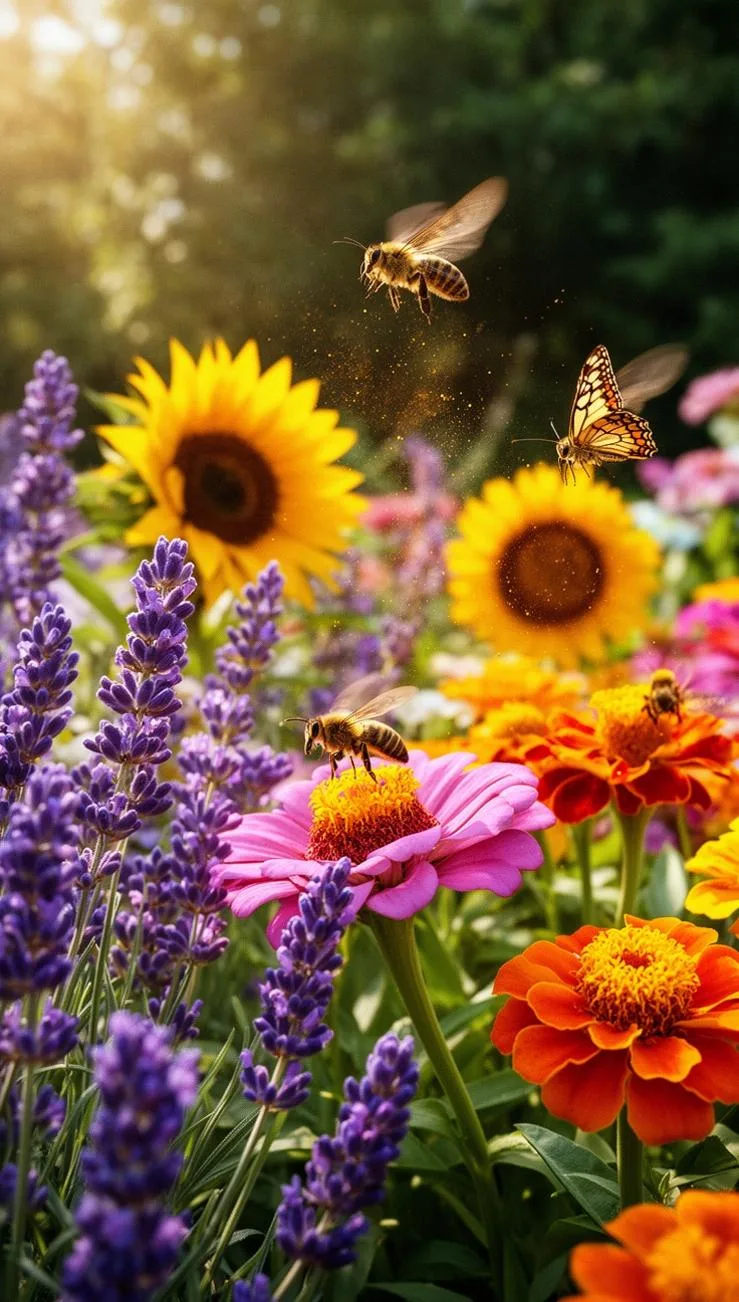
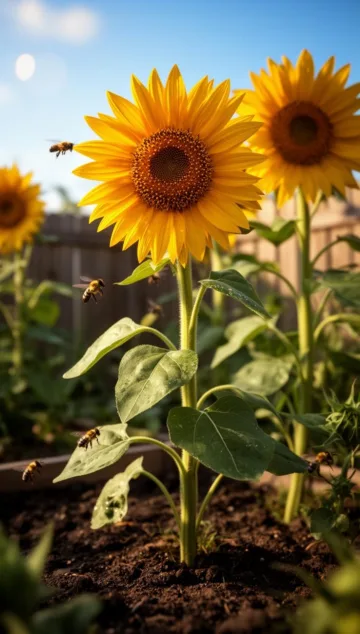
- Attracting Pollinators: Sunflowers are a magnet for bees and other beneficial insects. Planting them can boost the health of your entire garden ecosystem.
- Harvesting Seeds: If you want to harvest seeds for eating or bird feed, wait until the back of the flower head turns yellow and the seeds are plump. You can cover the heads with netting or paper bags to protect them from birds and squirrels as they dry. Cut the heads and hang them upside down in a dry, airy place to finish drying.
Common Mistakes to Avoid
- Too Much Nitrogen: As mentioned, excessive nitrogen fertilizer encourages lush foliage at the expense of flowers.
- Lack of Sunlight: Planting sunflowers in shade will lead to weak, unproductive plants.
- Overcrowding: Not giving plants enough space leads to competition for resources and poor air circulation.
- Planting Too Early: Sowing seeds before the last frost can result in poor germination and frost damage.
- Watering Issues: Inconsistent watering or waterlogged soil can stress the plants.
Tools or Materials Needed
- Sunflower seeds (variety of your choice)
- Trowel or spade
- Watering can or hose
- Compost or well-rotted manure (optional, for soil amendment)
- Stakes and soft ties (for tall varieties)
- Mulch (optional, for weed suppression and moisture retention)
- Netting or paper bags (optional, for seed protection)
Seasonal or Climate Considerations
Sunflowers are warm-season annuals, meaning they thrive in warmth and complete their life cycle in one year. They are incredibly forgiving and can adapt to a wide range of climates, provided they get enough sun and are planted after the danger of frost has passed. In cooler regions with shorter summers, opt for earlier-maturing varieties. In hotter climates, ensure consistent watering to prevent stress.
Benefits of This Gardening Method or Plant
Growing sunflowers offers a multitude of advantages:
- Visual Appeal: Their striking beauty adds vibrant color and height to any garden.
- Pollinator Attraction: They are excellent for supporting bees, butterflies, and other beneficial insects.
- Edible Seeds: Many varieties produce seeds that can be roasted for snacks or used as a source of oil.
- Bird Food: The seeds are a nutritious food source for wild birds.
- Cut Flowers: Sunflowers make stunning, long-lasting additions to bouquets.
- Easy to Grow: They are remarkably forgiving, making them ideal for beginners.
- Soil Improvement: Some gardeners use sunflowers to help break up compacted soil.
Alternative Methods
While direct sowing is the most common and recommended method for growing sunflowers, you could theoretically start them indoors:
- Indoor Seed Starting: If you want a head start, sow seeds in biodegradable pots (like peat pots) about 2-3 weeks before your last expected frost. Sunflowers have a taproot that dislikes disturbance, so using pots that can be planted directly into the ground helps minimize transplant shock. Handle the seedlings very gently when transplanting.
Conclusion
Learning to grow sunflowers is a delightful journey that brings immense joy and beauty to your garden. With their simple needs – plenty of sun, well-draining soil, and consistent watering – these cheerful giants are surprisingly easy to cultivate. This detailed sunflower planting guide has equipped you with the knowledge to select the best varieties, prepare your soil, sow your seeds, and care for your blooms. Whether you’re aiming for towering specimens or cheerful pot-dwellers, sunflowers are a rewarding choice for every gardener. So, embrace the sunshine, plant some seeds, and get ready to watch your garden transform with these magnificent flowers!
Frequently Asked Questions (FAQs)
- How tall do sunflowers get?
Sunflower height varies greatly by variety. Dwarf types can be as short as 1-3 feet, while giant varieties like ‘Mammoth Russian’ can reach an impressive 10-15 feet or even more.
- Can I grow sunflowers in pots?
Absolutely! Dwarf and smaller varieties are perfect for growing in containers. Ensure your pot is deep enough, has drainage holes, and is placed in a sunny location.
- Why aren’t my sunflowers blooming?
This can happen for several reasons: not enough sunlight, planting too close together, planting too early, or excessive nitrogen fertilizer. Ensure they have at least 6-8 hours of direct sun and are spaced appropriately.
- Do I need to water sunflowers every day?
While young sunflower seedlings need consistent moisture, established plants are quite drought-tolerant. Water deeply when the top inch or two of soil feels dry, especially during hot, dry spells. Avoid daily watering unless conditions are extreme.
- When should I harvest sunflower seeds?
Harvest seeds when the back of the flower head has turned yellow and dry, and the seeds are plump and loose. You can often tell by gently tugging on a seed; if it comes out easily, it’s likely ready. Protect ripening heads from birds and squirrels.