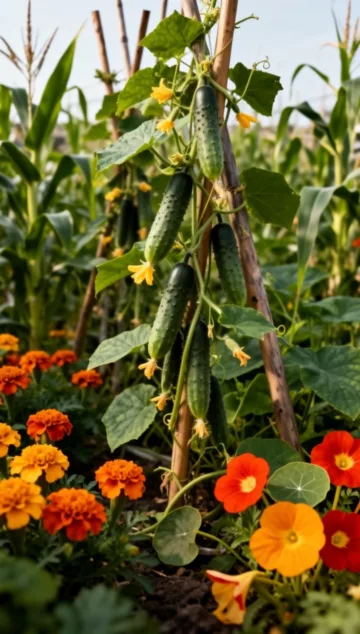
The Secret to a Bumper Harvest: A Guide to Choosing Your Cucumber Neighbors
There is nothing quite like the crunch of a fresh cucumber plucked straight from the vine on a hot July afternoon. However, any gardener knows that cucumbers can be a bit finicky. They are prone to pests like cucumber beetles and diseases like powdery mildew, which can turn a promising garden bed into a withered mess in just a few days. This is where the ancient art of companion planting comes into play. By strategically placing specific flowers, herbs, and vegetables next to your vines, you can create a miniature ecosystem that protects your crops and boosts your yields.
Understanding which cucumber companion plants to include in your garden layout is the key to organic success. When you select the right companion plants cucumbers love, you are essentially hiring a team of tiny bodyguards and fertilizers to do the hard work for you. In this guide, we will explore the best botanical friends for your cucumbers and how to arrange them for the most productive garden you’ve ever had.
The Science and Magic of Companion Planting
Natural Pest Control
Many plants emit strong scents that confuse or repel harmful insects. For instance, aromatic herbs can mask the smell of cucumber leaves, making it much harder for cucumber beetles to find their target. Other companions attract beneficial insects, like ladybugs and lacewings, which feast on aphids and mites.
Soil Enhancement and Nutrient Sharing
Some companions, particularly those in the legume family, have the incredible ability to “fix” nitrogen in the soil. Since cucumbers are heavy feeders, having a neighbor that naturally enriches the earth is a massive advantage. Others have deep taproots that break up compacted soil, allowing the shallow roots of the cucumber plants to access water more easily.
Space Optimization and Shade
In a small garden, vertical and horizontal space are precious. By planting low-growing greens or heat-sensitive herbs under the shade of sprawling cucumber leaves, you can double your harvest in the same square footage. The cucumber leaves act as a “living mulch,” keeping the soil cool and moist for their smaller neighbors.
The Best Friends for Your Cucumber Patch
Marigolds: The Golden Guardians
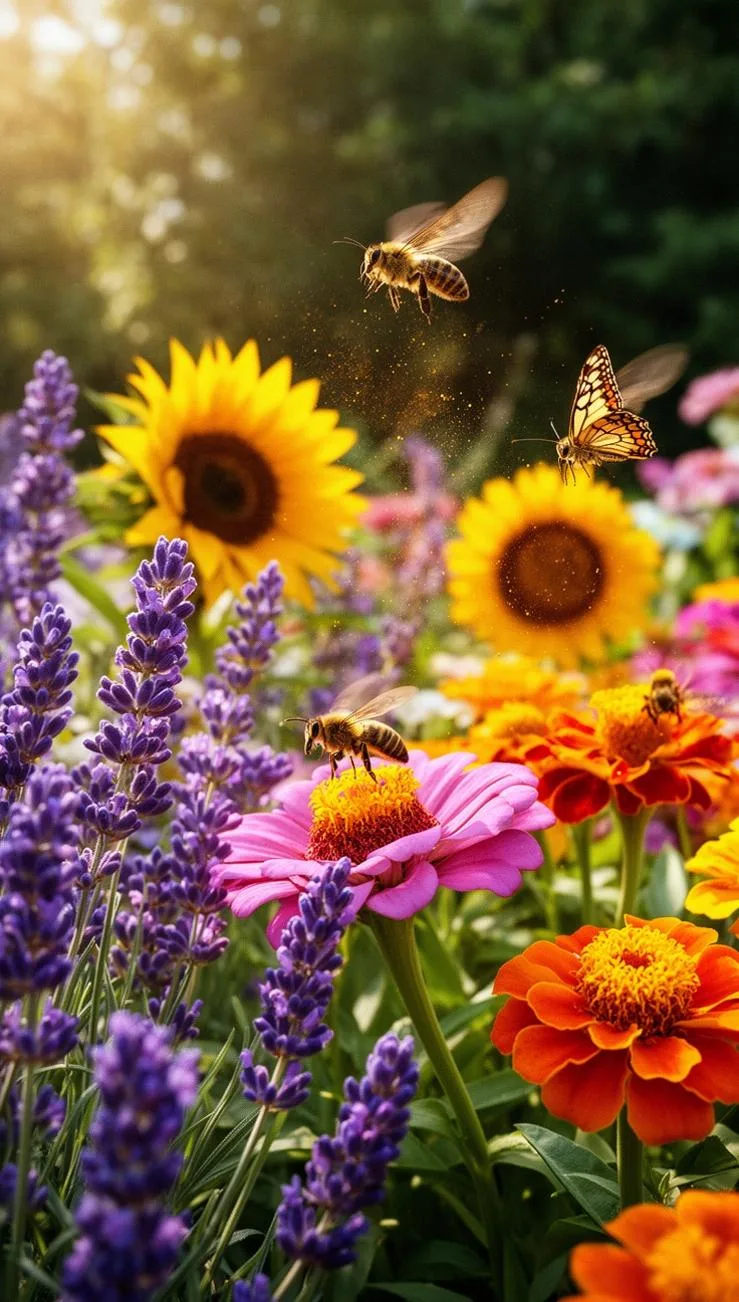
Marigolds are perhaps the most famous companion in the vegetable garden. Their strong scent is known to deter many pests, but more importantly, their roots release a chemical that can suppress root-knot nematodes in the soil. They also attract hoverflies, which are excellent pollinators and aphid-hunters.
Nasturtiums: The Decorative Decoy
These beautiful, edible flowers are a favorite for cucumbers. They act as a “trap crop” for aphids. Instead of attacking your cucumbers, the aphids will flock to the nasturtiums. Furthermore, nasturtiums are believed to repel cucumber beetles and squash bugs, making them an essential part of your garden defense strategy.
Dill: The Pollinator Magnet
Dill is one of the best herbs to plant near cucumbers, but with one caveat: keep it away once the dill reaches full maturity, as it can occasionally stunt the growth of some vegetables. However, when young, its feathery fronds attract predatory wasps that kill pests, and its flowers bring in bees to help pollinate your cucumber blossoms.
Legumes: The Nitrogen Boosters
Peas and beans are fantastic neighbors. Because they take nitrogen from the air and store it in their roots, they leave the soil richer than they found it. Since cucumbers need plenty of nitrogen to produce those long, green fruits, planting a row of bush beans nearby is a stroke of genius.
Root Vegetables: Radishes and Carrots
Radishes are often cited as a top-tier companion because they can help deter cucumber beetles. Carrots also work well; as they grow deep into the ground, they help aerate the soil, which benefits the cucumber’s root system. Plus, they occupy different levels of the soil, so they aren’t competing for the same space.
Step-by-Step Instructions for Your Companion Garden
Building a thriving community in your garden bed requires a bit of planning. Follow these steps to integrate your cucumber companion plants effectively and ensure your companion plants cucumbers have the best environment to flourish.
- Map Your Space: Choose a spot that receives at least 6 to 8 hours of full sun. Decide if you will grow your cucumbers on a trellis (vertical) or let them sprawl (horizontal).
- Prepare the Soil: Mix in plenty of aged compost. Cucumbers love organic matter. Check the pH; they prefer slightly acidic to neutral soil (6.0 to 7.0).
- Plant the “Anchors” First: Sow your cucumber seeds or transplant seedlings once the soil is consistently above 65°F (18°C). If using a trellis, plant them at the base.
- Incorporate the Protectors: Plant marigolds and nasturtiums around the perimeter of the cucumber area. This creates a “scent barrier” against pests.
- Add the Soil Builders: Sow bush beans or peas about 12 inches away from the cucumber stems. This ensures they can share nutrients without getting tangled.
- Sow the Decoys: Toss a few radish seeds in the gaps between cucumber plants. Radishes grow fast and can be harvested before the cucumbers get too large.
- Mulch and Water: Apply a layer of straw or wood chips to keep moisture in and weeds out. Water at the base of the plants to keep the foliage dry, which prevents disease.
Tips from Experienced Gardeners
- Succession Plant the Herbs: Don’t just plant dill or cilantro once. Sow a few seeds every two weeks so you always have young, aromatic plants throughout the cucumber’s growing season.
- Sunflowers as Trellises: If you have a strong-stalked variety of sunflower, you can actually grow climbing cucumbers directly up the sunflower stalk. It’s a beautiful and space-saving technique.
- Watch the Shade: If you are planting low-growing companions like lettuce, place them on the north side of your trellis so the cucumbers don’t completely block their sun, or on the south side if you live in a very hot climate and want to prevent the lettuce from bolting.
Common Mistakes to Avoid
Even with the best intentions, some pairings just don’t work. Avoid these common pitfalls:
- The Potato Feud: Never plant cucumbers near potatoes. Potatoes are heavy feeders that compete for the same nutrients, and they can also increase the likelihood of blight in your cucumbers.
- Sage and Strong Aromatics: While many herbs are great, some gardeners find that sage can stunt the growth of cucumber vines. It is best to keep your sage in the perennial herb bed.
- Overcrowding: Companion planting is about harmony, not cramming. Ensure there is enough airflow between plants, or you’ll end up with a powdery mildew nightmare.
Tools or Materials Needed
To get started with your companion-planted garden, gather these essentials:
- High-Quality Seeds: Local or heirloom varieties often have better resistance to local pests.
- A Sturdy Trellis: If growing vertically, use an A-frame or cattle panel.
- Garden Hoe or Trowel: For planting and weeding.
- Organic Compost: The “black gold” that fuels cucumber growth.
- Soaker Hoses: The best way to water cucumbers without wetting the leaves.
Seasonal or Climate Considerations
Cucumbers are tropical plants at heart. They despise the cold. If you live in a northern climate with a short growing season, start your cucumbers indoors in peat pots 3 weeks before the last frost. For southern gardeners, the heat is the biggest challenge. In Zone 8 or higher, use companions like corn or tall sunflowers to provide “dappled shade” during the blistering afternoon hours to prevent the cucumbers from becoming bitter.
Benefits of This Gardening Method
Adopting a companion planting strategy offers more than just big cucumbers. It reduces your reliance on chemical pesticides, making your backyard a safer place for kids, pets, and local wildlife. It also improves soil health over time. By rotating your companions each year, you prevent the buildup of soil-borne diseases and ensure the earth remains fertile for years to come.
Alternative Methods: The Three Sisters Variation
While the traditional “Three Sisters” (corn, beans, and squash) is the most famous example of companion planting, you can create a “Cucumber Variation.” Use sunflowers or corn as the support, beans as the nitrogen-fixers, and cucumbers as the ground cover. This mimics a natural forest floor and is an incredibly efficient way to use a small garden plot.
Conclusion
Growing a successful garden is about more than just watering a single plant; it is about fostering a community. By picking the right cucumber companion plants, you are setting your garden up for a season of health and abundance. Whether you are using marigolds to ward off beetles or beans to feed the soil, the thoughtful integration of companion plants cucumbers naturally gravitate toward will pay off in the form of crisp, delicious harvests. Remember to observe your garden closely, see which pairings work best in your specific microclimate, and most importantly, enjoy the process of growing your own food.
Frequently Asked Questions
Can I plant cucumbers next to tomatoes?
Yes, you can! They have similar water and light requirements. However, ensure they both have plenty of space, as both are vigorous growers and can easily crowd each other out.
What flowers should I avoid near cucumbers?
There aren’t many flowers that actively harm cucumbers, but it is best to avoid planting them near highly competitive, invasive flowers that might steal all the soil’s moisture.
How many companions should I plant?
Start small. Choose two or three companions—like marigolds and beans—and see how they interact. You don’t need a dozen different species to see the benefits.
Do onions make good companions?
Onions and garlic are excellent companions for cucumbers because their strong sulfurous scent deters many common garden pests and small mammals.
Will companion planting get rid of all pests?
It won’t eliminate them entirely, but it significantly reduces their impact. It’s part of an Integrated Pest Management (IPM) strategy that keeps the garden balanced without harsh chemicals.