Transform Your Yard into a Blooming Paradise: The Ultimate Beginner’s Guide
Welcome to the World of Floral Design
There is something inherently magical about watching a tiny seed or a dormant bulb transform into a vibrant explosion of color. Whether you have a sprawling backyard or a modest balcony, the decision to start flower garden projects can completely change the way you interact with your outdoor space. It isn’t just about aesthetics; it’s about creating a sanctuary for yourself and a haven for local pollinators. For many, flower garden beginners often feel overwhelmed by the sheer variety of plants and technical terms, but the truth is that gardening is a journey of trial, error, and immense reward. In this guide, we will break down the barriers to entry and show you exactly how to cultivate a landscape that thrives year after year.
Understanding Your Garden’s Environment
Assessing Sunlight and Exposure
Before you buy your first flat of petunias, you must observe how the sun moves across your yard. Most flowering plants are categorized into three lighting needs: Full Sun (6+ hours of direct light), Partial Shade (3–6 hours), and Full Shade (less than 3 hours). Watching your garden for a full day will help you avoid the heartbreak of planting sun-loving zinnias in a dark corner where they will struggle to bloom.
Testing Your Soil Type
The secret to healthy flowers lies beneath the surface. Is your soil sandy, clay-heavy, or silty? You can perform a simple “squeeze test” by moistening a handful of dirt and squeezing it in your palm. If it crumbles instantly, it’s sandy; if it stays in a tight, sticky ball, it’s clay. Ideally, you want a loamy texture that holds moisture but drains well. Don’t worry—most soil can be improved with organic compost.
A Step-by-Step Guide to Your First Bed
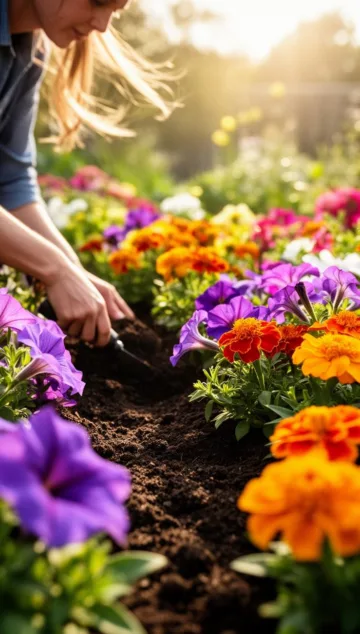
Taking the first physical steps toward your floral oasis requires a bit of planning and muscle. When you start flower garden layouts, it is best to start small with a dedicated 4×8 foot bed rather than trying to landscape the entire yard at once. This manageable size allows flower garden beginners to learn the nuances of watering, weeding, and deadheading without feeling like the chores are taking over their weekends. Follow these steps to get your hands dirty:
- Clear the Area: Remove grass, weeds, and heavy rocks from your chosen site. You can use a shovel to flip the sod or lay down cardboard for several weeks to smother the grass naturally.
- Amend the Soil: Mix in 2-3 inches of high-quality compost or aged manure to provide high-energy nutrients for your future blooms.
- Design the Layout: Place your potted plants in the bed before actually digging. Put the tallest varieties (like delphiniums) in the back, mid-sized plants (like coneflowers) in the center, and low-lying groundcovers (like sweet alyssum) along the edges.
- Plant with Care: Dig a hole twice as wide as the plant’s root ball. Gently loosen the roots if they are circling the pot, place the plant in the hole at the same depth it was in the container, and firm the soil around it.
- Water and Mulch: Give your new transplants a deep soaking immediately. Apply a 2-inch layer of mulch (like shredded bark or straw) to keep the roots cool and prevent weeds from sprouting.
Proven Tips from Seasoned Gardeners
Choose a Mix of Annuals and Perennials
Think of perennials as the “bones” of your garden—they come back every year (like Peonies or Hostas). Think of annuals as the “makeup”—they last only one season but provide non-stop color from spring to frost (like Marigolds or Cosmos). Mixing both ensures your garden has a permanent structure with rotating pops of color.
Water Early in the Day
Gardening veterans know that morning is the best time to water. This allows the foliage to dry out before evening, which prevents fungal diseases like powdery mildew. Always water the base of the plant rather than the leaves to ensure the moisture reaches the root zone.
Common Mistakes to Avoid
Ignoring the Mature Size
It is tempting to pack plants close together for an “instant” full look. However, plants need airflow. Check the tag for “spacing” requirements. A plant that looks small in a 4-inch pot may grow to be three feet wide by July, potentially smothering its neighbors.
Over-Fertilizing
More is not always better. Too much nitrogen can lead to lush green leaves but absolutely no flowers. Follow the instructions on the fertilizer package, and when in doubt, rely on organic compost which releases nutrients slowly and safely.
Essential Tools for Every New Gardener
- Hand Trowel: A sturdy trowel is your most-used tool for digging small holes and planting bulbs.
- Pruning Shears: High-quality bypass pruners are essential for “deadheading” (removing spent blooms) and shaping your plants.
- Garden Hose with Spray Nozzle: A nozzle with a “shower” setting allows for gentle watering that won’t wash away soil.
- Gardening Gloves: Protect your hands from thorns, stinging insects, and blisters.
- Spade or Shovel: Needed for turning the soil and edging your garden beds to keep them looking tidy.
Seasonal and Climate Considerations
Know Your Hardiness Zone
Before purchasing plants, check the USDA Plant Hardiness Zone Map (or your country’s equivalent). This tells you which plants can survive the winter in your specific area. Don’t fall in love with a tropical hibiscus if you live in a region with sub-zero winters unless you plan to bring it indoors.
The Importance of Last Frost Dates
Many tender annuals, like Zinnias or Impatiens, will die if they hit a frost. Check your local frost dates and wait until the “all clear” before putting your sensitive plants in the ground. In many regions, the traditional planting time is Mother’s Day weekend.
The Benefits of Growing Flowers
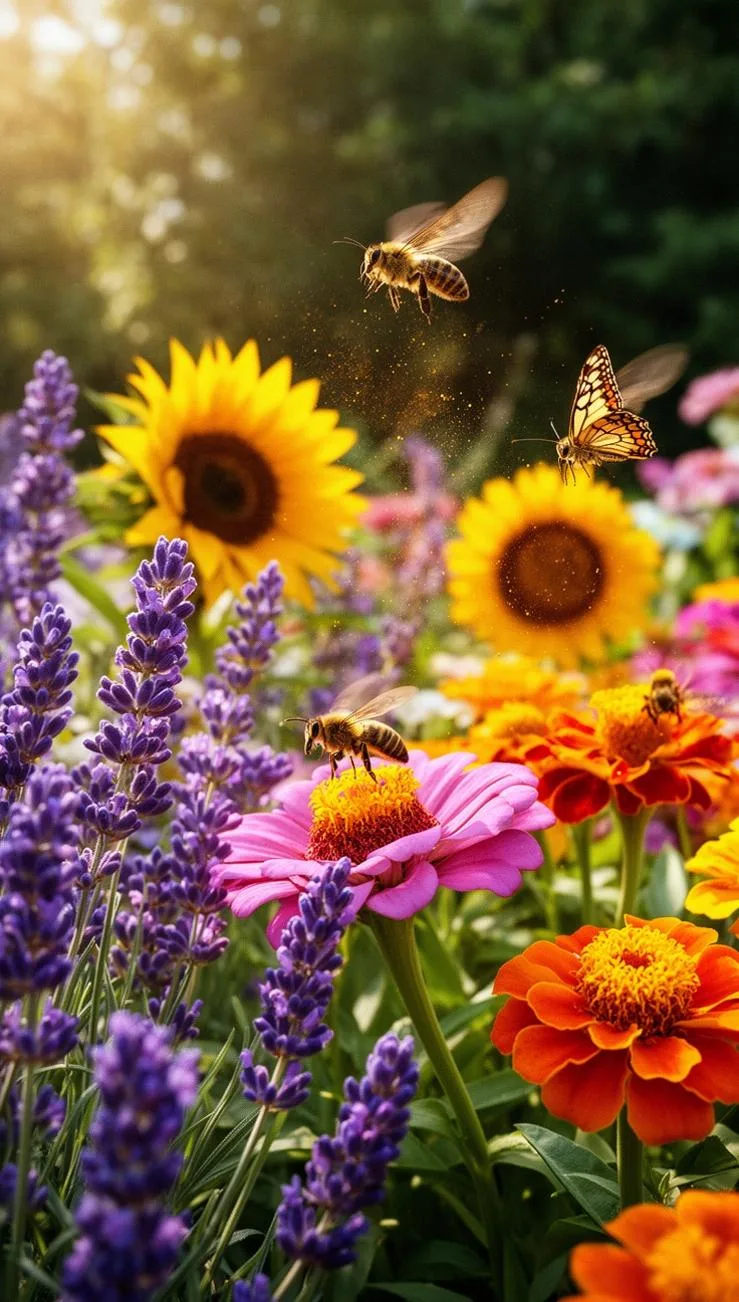
Beyond the obvious visual appeal, growing flowers has significant mental health benefits. Studies have shown that gardening reduces cortisol levels and improves mood. Furthermore, a well-planned garden supports the ecosystem by providing nectar for honeybees, butterflies, and hummingbirds. By selecting native flower species, you are contributing to the preservation of local biodiversity right from your own doorstep.
Alternative Methods: Containers and Raised Beds
Container Gardening
If you don’t have a yard or the soil is too rocky to dig, containers are a perfect alternative. You can control the soil quality perfectly using potting mix. Just remember that pots dry out much faster than the ground, so you may need to water daily during the heat of summer.
Raised Bed Gardening
Raised beds are essentially large boxes filled with soil sitting on top of the ground. They offer excellent drainage and save your back from excessive bending. They also keep invasive grass runners from creeping into your floral displays.
Wrapping Up Your Gardening Journey
Growing a beautiful landscape is a rewarding endeavor that connects you with the rhythms of nature. While the process requires some sweat equity and patience, the sight of your first bloom makes every bit of effort worthwhile. Remember to start small, observe your environment, and don’t be afraid to ask for advice at your local nursery. When you finally start flower garden beds of your own, you’ll discover that the joy comes not just from the destination, but from the daily tending of your plants. This is the perfect hobby for flower garden beginners to cultivate a greener thumb and a more peaceful lifestyle. Happy planting!
Frequently Asked Questions
1. How often should I water my new flowers?
New plants need more frequent watering until their roots are established. Generally, checking the soil daily and watering when the top inch feels dry is a good rule of thumb. Most established gardens need about one inch of water per week.
2. What are the easiest flowers for beginners to grow?
Sunflowers, Marigolds, Zinnias, and Pansies are incredibly resilient and grow quickly from seed or seedling, making them perfect for those just starting out.
3. Do I really need to remove dead flowers?
Yes! This process is called “deadheading.” It prevents the plant from putting energy into seed production and instead encourages it to produce more blooms.
4. Can I start my garden in the fall?
Yes, fall is an excellent time to plant many perennials and spring-flowering bulbs like Tulips and Daffodils, as the cooler temperatures allow roots to establish without the stress of summer heat.
5. Why are my flower leaves turning yellow?
Yellow leaves can be a sign of several issues, but the most common are overwatering, underwatering, or a lack of nitrogen in the soil. Check the moisture level of the soil first before adding fertilizer.