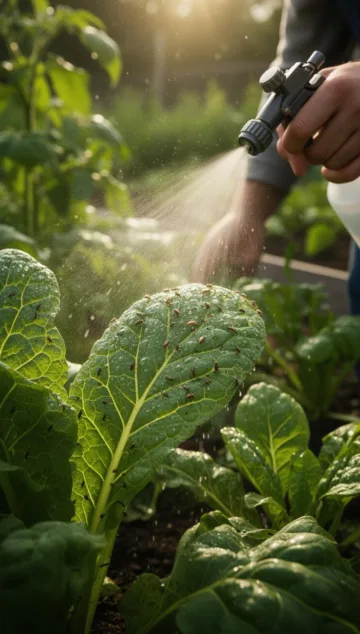
Title: The Ultimate Guide to Protecting Your Spring Garden From Common Pests
Welcome to Your Healthiest May Garden Yet
As the warmth of the spring sun begins to settle consistently into the soil, the month of May marks a vibrant explosion of life in the garden. Your seedlings are stretching toward the sky, and the blossoms are promising a bountiful harvest. However, gardeners aren’t the only ones excited about this growth; this is also the peak time for garden intruders to emerge. Finding a balance between protecting your plants and keeping your ecosystem healthy is essential. Implementing organic pest control may be the single most important step you take this month to ensure your vegetables and flowers thrive without the use of harsh chemicals. By leaning into natural garden pest control, you are fostering a habitat where beneficial insects do the heavy lifting for you, resulting in a cleaner, safer, and more productive outdoor space.
Understanding Your Garden Ecosystem in Late Spring
The May Pest Surge
In many climates, the transition into late spring creates the perfect “Goldilocks” conditions for pests. It is warm enough for eggs to hatch but not yet hot enough to dry out soft-bodied insects like aphids and slugs. Recognizing this timing is key to staying ahead of the curve before an infestation takes over your vegetable patch.
Beneficial Insects: Your Secret Weapon
Not every bug is a villain. In fact, many are your strongest allies. Ladybugs, lacewings, and hoverflies are predatory powerhouses that feast on the very pests that want to eat your kale. When you avoid synthetic pesticides, you allow these “good guys” to settle into your garden and provide free labor.
Effective Strategies for Spring Bug Management
Companion Planting Mastery
One of the most beautiful ways to manage pests is by choosing the right neighbors for your plants. Marigolds emit a scent that confuses many flying insects, while nasturtiums act as “trap crops,” drawing aphids away from your precious beans and toward their own sacrificial leaves. Peppermint and basil can also help deter pests while providing fresh herbs for your kitchen.
Physical Barriers and Row Covers
Sometimes, the best offense is a good defense. Lightweight floating row covers can protect young brassicas from cabbage moths. Likewise, copper tape around the rims of pots can give slugs a tiny, harmless electric shock that keeps them away from your hostas and strawberries.
Step-by-Step Instructions for a Pest-Free May
Taking a proactive approach this month will save you hours of work in the heat of July. Follow these steps to set up a robust defense system using natural garden pest control techniques that prioritize soil health and pollinator safety. Many gardeners find that organic pest control may seem daunting at first, but following a structured plan makes it simple and highly effective.
Step 1: The Morning Inspection
Walk your garden every morning with a cup of coffee. Look under leaves and along stems. Early detection is the most powerful tool in your arsenal. If you see a cluster of orange eggs or a few lone aphids, you can simply squash them with your fingers before they multiply.
Step 2: Prepare a Neem Oil Spray
For more persistent issues, mix one teaspoon of pure, cold-pressed neem oil with a half-teaspoon of mild liquid soap in a quart of warm water. Use this as a foliar spray in the evening (never in direct sunlight) to treat issues like powdery mildew or spider mites.
Step 3: Deploy Beneficial Nematodes
To tackle soil-borne pests like fungus gnats or cucumber beetle larvae, apply beneficial nematodes to damp soil. These microscopic organisms hunt down harmful larvae without bothering humans, pets, or earthworms.
Step 4: Create a Pollinator Buffet
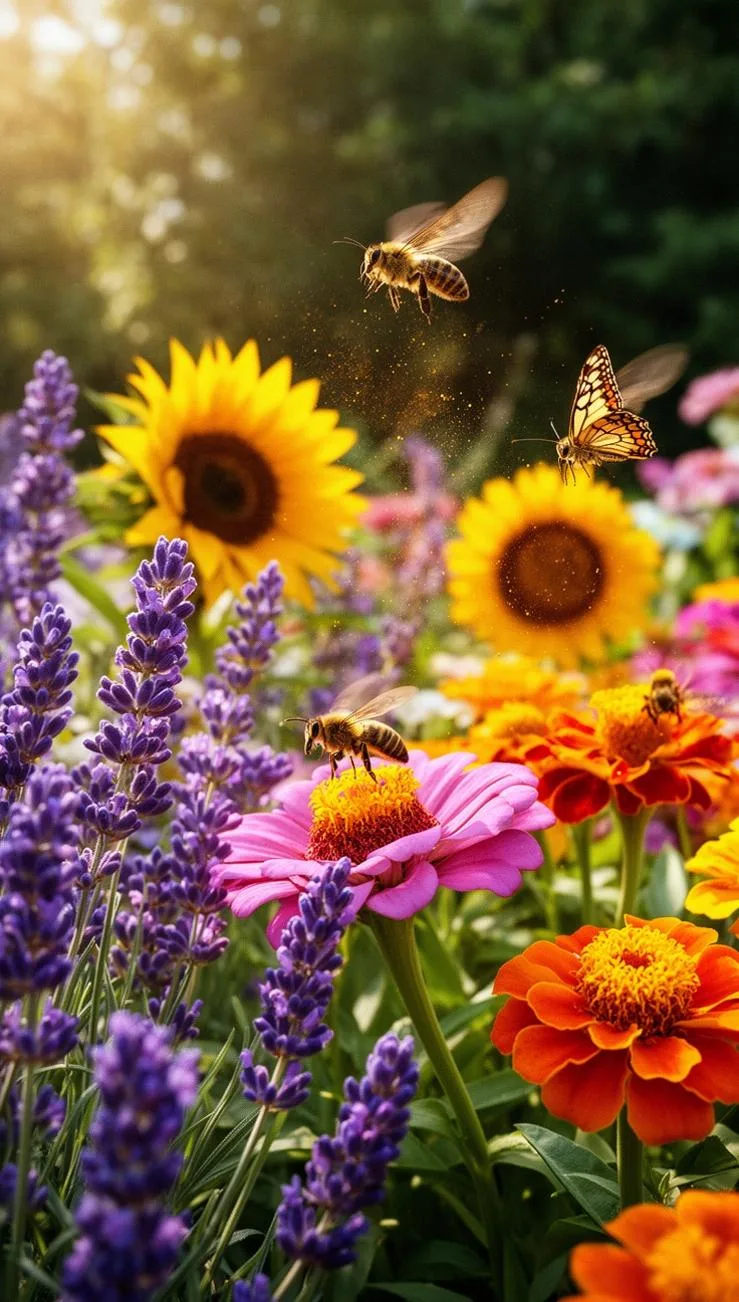
Dedicate at least 10% of your garden space to native wildflowers and umbellifers like dill and fennel. These plants provide the nectar needed to keep predatory wasps and hoverflies in your garden permanently.
Tips from Experienced Gardeners
The “Wait and See” Strategy
Seasoned growers often wait 48 hours before treating a minor aphid breakout. Why? Because the smell of aphids often attracts ladybugs. If you spray immediately, the ladybugs have no reason to stay. Give nature a chance to fix itself first.
Maintain Soil Health
Healthy plants are less attractive to pests. High-nitrogen fertilizers often cause a “flush” of soft, sugary growth that aphids love. Use aged compost instead to provide a slow, steady release of nutrients that builds strong cell walls in your plants.
Common Mistakes to Avoid
Over-Applying Organic Sprays
Just because a product is organic doesn’t mean it’s harmless. Even neem oil or insecticidal soap can kill bees if sprayed while they are foraging. Always apply treatments at dusk when pollinators have returned to their nests.
Misidentifying Insects
Many gardeners accidentally kill the larvae of ladybugs, thinking they are harmful pests because they look like tiny, spiked alligators. Always identify a bug before you decide to remove it.
Tools or Materials Needed
Essential Pest Kit
- Hand Lens: A small magnifying glass helps you see tiny spider mites or eggs early on.
- Soft-Bristle Brush: For gently removing pests from delicate stems without damaging the plant.
- Spray Bottle: A high-quality pressure sprayer for applying homemade solutions.
- Yellow Sticky Traps: Best for monitoring (not controlling) the population of flying pests like whiteflies.
Seasonal or Climate Considerations
Dealing with May Rain
If your May is particularly rainy, your biggest challenge will be slugs and snails. In damp weather, organic bait like iron phosphate pellets is safe for pets but highly effective against mollusks. Alternatively, beer traps set at soil level can lure them away from your greens.
Heat Spikes
If a sudden heatwave hits, plants become stressed and more vulnerable to attack. Ensure you are watering at the base of the plant to keep foliage dry, which prevents the humidity-related diseases that often invite pests.
Benefits of Organic Pest Management
Improved Flavor and Nutrition
Plants grown in a chemical-free environment often develop more robust secondary metabolites—the compounds responsible for flavor and antioxidants—because they are interacting naturally with their environment.
Safety for Family and Pets
When you use organic methods, you don’t have to worry about your children picking a strawberry right off the vine or your dog sniffing around the garden beds. It creates a sanctuary for the whole family.
Alternative Methods
Biological Controls
If you have a massive infestation, you can purchase live insects like green lacewing larvae to release into your garden. This is a targeted way to bring the ecosystem back into balance quickly.
Diatomaceous Earth
For crawling insects, food-grade Diatomaceous Earth (DE) is a powder made from fossilized algae. It acts mechanically to dehydrate pests. Use it sparingly, as it can affect any insect with an exoskeleton, including beneficial ones.
Conclusion
Tending to your patch of earth without the use of synthetic chemicals is a rewarding journey that pays off in both harvest and peace of mind. As we have explored, organic pest control may require a bit more observation and patience, but the results are a resilient, thriving garden that works in harmony with nature. By committing to natural garden pest control through companion planting, physical barriers, and beneficial insects, you are protecting the vital pollinators that our food system relies on. This May, take the time to listen to your garden, identify your bugs, and choose the gentlest path toward a beautiful and healthy backyard oasis.
Frequently Asked Questions (FAQs)
1. Will organic methods work as fast as chemical sprays?
Organic methods often take a little longer to show visible results because they work by restoring balance or killing pests through mechanical means rather than systemic toxins. However, they are more sustainable in the long run.
2. Is neem oil safe for all plants?
Most plants handle neem oil well, but some thin-leaved plants like ferns or certain herbs can be sensitive. It’s always best to test a small leaf before spraying the whole plant.
3. How do I get rid of aphids naturally?
The easiest way is a sharp blast of water from the garden hose! This knocks them off the plant, and they usually cannot climb back up. Introducing ladybugs or using an insecticidal soap are great secondary options.
4. What is the best trap crop for a vegetable garden?
Nasturtiums are legendary trap crops. They are highly attractive to aphids and cabbage butterflies, keeping them off your broccoli and peppers.
5. Can I use dish soap from my kitchen to kill bugs?
You should use a mild, pure castile soap rather than heavy-duty “degreaser” dish soaps, which can strip the protective waxy coating off your plant’s leaves and cause “sunburn.”