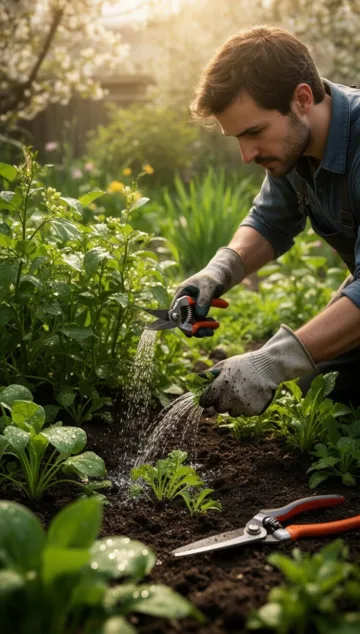
The Ultimate May Garden Guide: Prepping Your Outdoor Oasis for Summer Success
May is often considered the peak of the gardening calendar. As the soil warms and the threat of frost finally begins to fade in many regions, the garden undergoes a dramatic transformation. It is a month of frantic growth, vibrant blooms, and the official start of the “planting out” season. However, this burst of life also brings a sense of urgency. Without a clear plan for may garden maintenance, your backyard sanctuary can quickly become overgrown with weeds or susceptible to pests. Taking the time to master garden care may ensures that your plants stay healthy, your lawn stays green, and your summer harvest is bountiful. Let’s dive into how you can make the most of this magical month.
Protecting and Preparing Your Soil
Mulching for Moisture Retention
As temperatures rise, the moisture in your soil evaporates more quickly. Applying a thick layer of organic mulch—such as bark chips, straw, or well-rotted compost—is one of the most effective tasks you can perform this month. Mulching suppresses weed seeds that are trying to germinate and keeps the root zones of your perennials cool and hydrated.
Feeding Your Hungry Plants
May is the time when plants are putting on their most significant growth spurt. Most perennials, shrubs, and roses benefit from a balanced granular fertilizer now. If you are growing vegetables, consider a nitrogen-rich feed for leafy greens and a high-potash feed for fruiting plants like tomatoes once they start to flower.
Managing the “May Flush” of Growth
Pruning Early Spring Shrubs
Once spring-flowering shrubs like Forsythia, Lilac, and Spiraea have finished their display, it is time to prune them. Pruning now allows the plant to put its energy into new growth, which will carry next year’s flowers. Aim to remove about a third of the oldest stems right down to the ground to encourage rejuvenation.
Supporting Tall Perennials
Fast-growing plants like Peonies, Delphiniums, and Lupins can quickly become top-heavy. If a late spring storm hits, these beautiful blooms can end up face-down in the mud. Install supports, hoops, or bamboo stakes now, before the plants get too tall. This allows the foliage to grow through the supports, hiding them naturally.
The Vegetable Patch and Orchard
Hardening Off Seedlings
If you have been raising tomatoes, peppers, or cucumbers on a sunny windowsill, they need a “boot camp” before moving outside permanently. This process, called hardening off, involves putting them outside in a sheltered spot for a few hours a day and gradually increasing their exposure to the wind and sun over a week.
Succession Sowing for Constant Harvests
Instead of planting all your lettuce or radishes at once, practice succession sowing. Plant a small row every two seeds. This ensures you have a steady supply of fresh produce throughout the summer rather than a massive glut all at once.
Step-by-Step Instructions for a Productive Month
To keep your garden in top shape, following a structured approach to may garden maintenance is key. Use this step-by-step checklist to stay on track with your garden care may routine:
- Step 1: The Weeding Blitz. Spend 20 minutes every few days pulling young weeds. It is much easier to remove them now before their roots become established and they go to seed.
- Step 2: Edge Your Borders. Use a half-moon edger or a sharp spade to redefine the lines between your lawn and your flower beds. This instantly makes the garden look professional and well-kept.
- Step 3: Check for Pests. Inspect the undersides of leaves for aphids and keep an eye out for slug damage on tender hostas or delphiniums. Early intervention prevents an infestation.
- Step 4: Move Houseplants Outdoors. Once night temperatures stay consistently above 50°F (10°C), many houseplants like Spider Plants and Monsteras love a summer holiday in a shaded spot in the garden.
- Step 5: Deadhead Spring Bulbs. Remove the faded flower heads from tulips and daffodils, but leave the green foliage alone. The leaves need to photosynthesize to send energy back into the bulb for next year’s display.
Tips from Experienced Gardeners
The “Chelsea Chop”
Named after the famous Chelsea Flower Show, this technique involves cutting back certain perennials (like Sedums or Phlox) by about half in late May. While it feels heart-wrenching, it results in bushier plants that bloom slightly later and don’t require as much staking.
Watering Wisely
Always water at the base of the plant rather than over the leaves. This prevents fungal diseases like powdery mildew from taking hold. Watering in the early morning is best, as it allows the plants to hydrate before the sun reaches its peak.
Common Mistakes to Avoid
Planting Too Early
The biggest mistake in May is rushing to plant out “tender” bedding plants like Zinnias or Marigolds before the last frost has passed. Always check your local long-range forecast. If a frost is predicted, cover your vulnerable plants with horticultural fleece or an old bedsheet.
Mowing Too Short
It’s tempting to scalp the lawn to save time, but this stresses the grass. Set your mower blades higher during May. This allows the grass to develop deeper roots and shade the soil, which prevents weed seeds from germinating.
Tools and Materials Needed
Having the right tools makes May tasks much more enjoyable. Here is a basic kit list for the month:
- Hand Trowel and Fork: For planting out summer bedding and weeding.
- Secateurs: Sharp blades are essential for clean pruning cuts on spring shrubs.
- Garden Twine and Stakes: For supporting tall, lanky perennials.
- Hose or Watering Can: With a “rose” attachment for gentle watering of seedlings.
- Organic Fertilizer: A general-purpose seaweed or chicken manure pellet works wonders.
Seasonal and Climate Considerations
Dealing with “May Grey”
In some coastal regions, May can bring overcast, damp weather. This is the perfect breeding ground for slugs and snails. If your climate is particularly damp this month, prioritize slug barriers like copper tape or wool pellets around your most prized plants.
Heatwaves and Dry Spells
Conversely, if you are experiencing an unseasonably hot May, your main priority shifts to irrigation. Newly planted trees and shrubs need deep watering twice a week to ensure their roots establish properly in the warming soil.
Benefits of Consistent May Maintenance
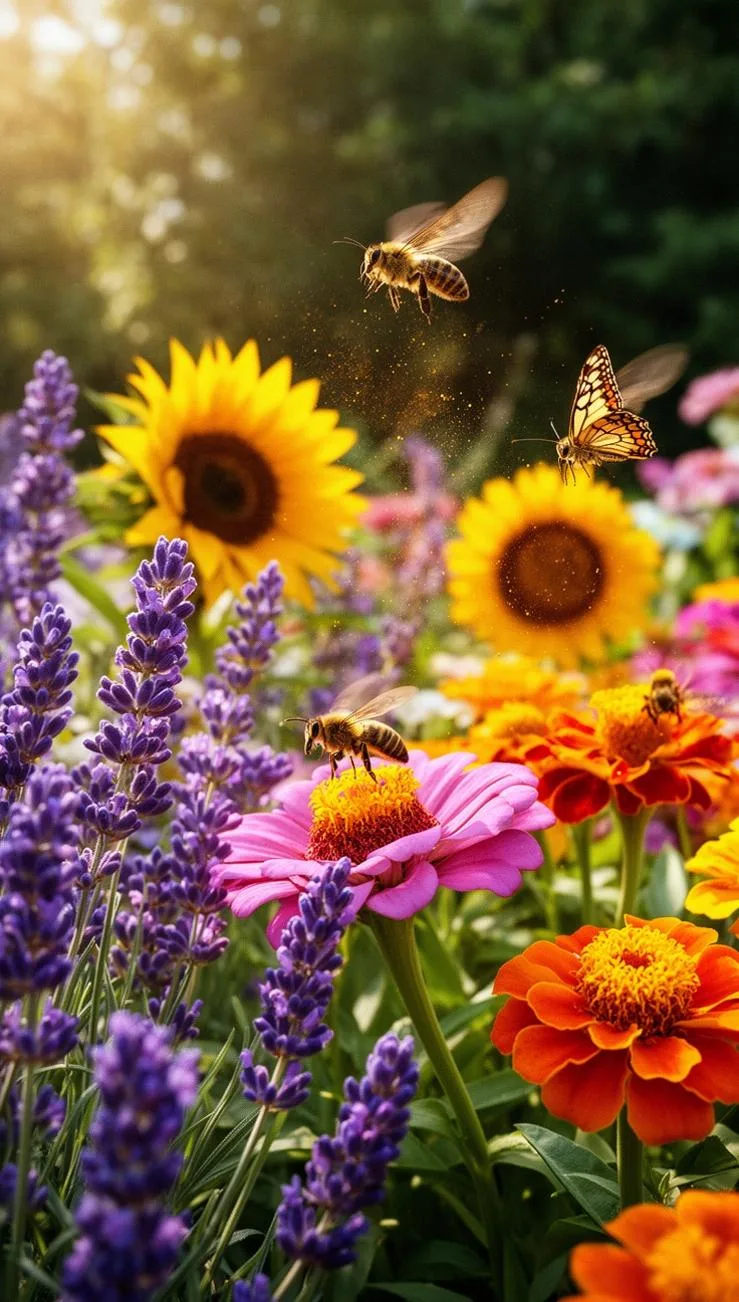
Investing time in your garden now pays massive dividends later in the year. By managing weeds in May, you prevent them from stealing nutrients from your flowers. By pruning spring shrubs now, you guarantee a beautiful display next year. Most importantly, a well-maintained May garden is a haven for pollinators. Bees and butterflies are most active now, and providing them with healthy, nectar-rich flowers supports your local ecosystem.
Alternative Methods: The No-Dig Approach
If you want to save your back and improve soil health, consider the “No-Dig” method this May. Instead of tilling the soil to prepare for planting—which can bring dormant weed seeds to the surface—simply add a thick layer of compost on top of your beds. You plant directly into the compost. This mimics the natural forest floor and preserves the delicate fungal networks (mycorrhizae) that help your plants thrive.
Conclusion
May is a transformative time that bridges the gap between the fresh greens of spring and the heavy blooms of summer. By staying on top of may garden maintenance, you set a strong foundation for the months ahead. Whether you are staking your tall lilies, hardening off your tomato plants, or simply enjoying the scent of lilac on the breeze, garden care may is about balance—working hard to support your plants while taking the time to observe the daily changes in your outdoor space. Keep your tools sharp, your soil fed, and your eyes peeled for the first signs of summer growth, and your garden will surely reward your efforts.
Frequently Asked Questions
1. Can I cut my daffodil leaves off once the flowers die?
No, you should wait at least six weeks after flowering. The leaves are busy gathering energy to store in the bulb for next year’s blooms. If they look untidy, you can tuck them behind other growing perennials.
2. Is it too late to sow seeds in May?
Not at all! May is the perfect time to sow “hardy annuals” directly into the soil, such as Sunflowers, Poppies, and Nigella. It’s also the ideal time for starting pumpkins and squashes indoors.
3. How often should I water my hanging baskets?
Because they are exposed to the wind and sun on all sides, hanging baskets dry out very quickly. In May, check them daily. If the soil feels dry an inch down, give them a good soak until water runs out the bottom.
4. What should I do if I see aphids on my roses?
If the infestation is small, you can simply squash them with your fingers or blast them off with a jet of water from the hose. Encouraging ladybugs and lacewings into your garden will also provide a natural solution.
5. When is it safe to put my tomatoes outside permanently?
Wait until the night-time temperatures are consistently above 50°F (10°C). In many temperate zones, this usually happens in the last two weeks of May. If in doubt, wait an extra week—tomatoes hate being cold!