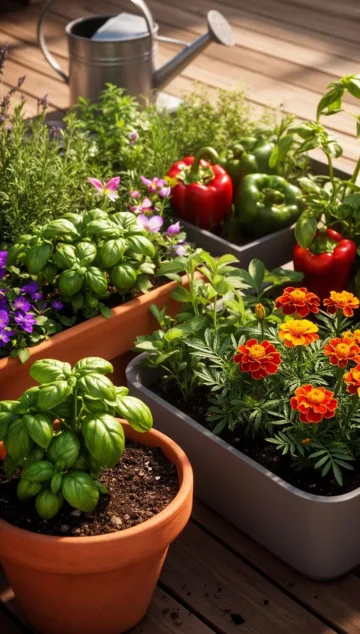
May Magic: Elevating Your Balcony and Patio with Container Gardens
May is the heartbeat of the gardening calendar. It is that sweet spot where the threat of frost finally retreats into the rearview mirror, and the soil—even the small amount inside a pot—begins to hum with life. If you have been waiting all winter to get your hands dirty, you are in luck. Embracing container gardening may be the most rewarding decision you make this season, especially if your space is limited but your ambitions are large. Whether you have a sprawling terrace or a tiny fire escape, growing flowers and vegetables in containers allows you to curate a personalized oasis that is both productive and beautiful. In this guide, we will explore how to maximize the potential of your pots during this peak planting month.
The Essentials of Early Summer Containers
Understanding Your Microclimate
In May, the sun sits higher in the sky, and temperatures can fluctuate wildly between a sunny afternoon and a crisp clear night. Before you plant, observe where the light falls on your patio. A “south-facing” balcony can become a heat trap, while a “north-facing” porch might remain cool and shaded. Matching your plants to these light conditions is the first step toward success.
Choosing the Right Material
Not all pots are created equal. Terracotta is breathable but dries out quickly, making it ideal for drought-tolerant herbs like rosemary. Plastic and resin pots retain moisture longer, which is a lifesaver for thirsty plants like hydrangeas or cucumbers. If you are using heavy ceramic pots, ensure they are placed in their permanent home before filling them with heavy damp soil.
Selecting Your Plants for May Planting
The Thriller, Filler, and Spiller Method
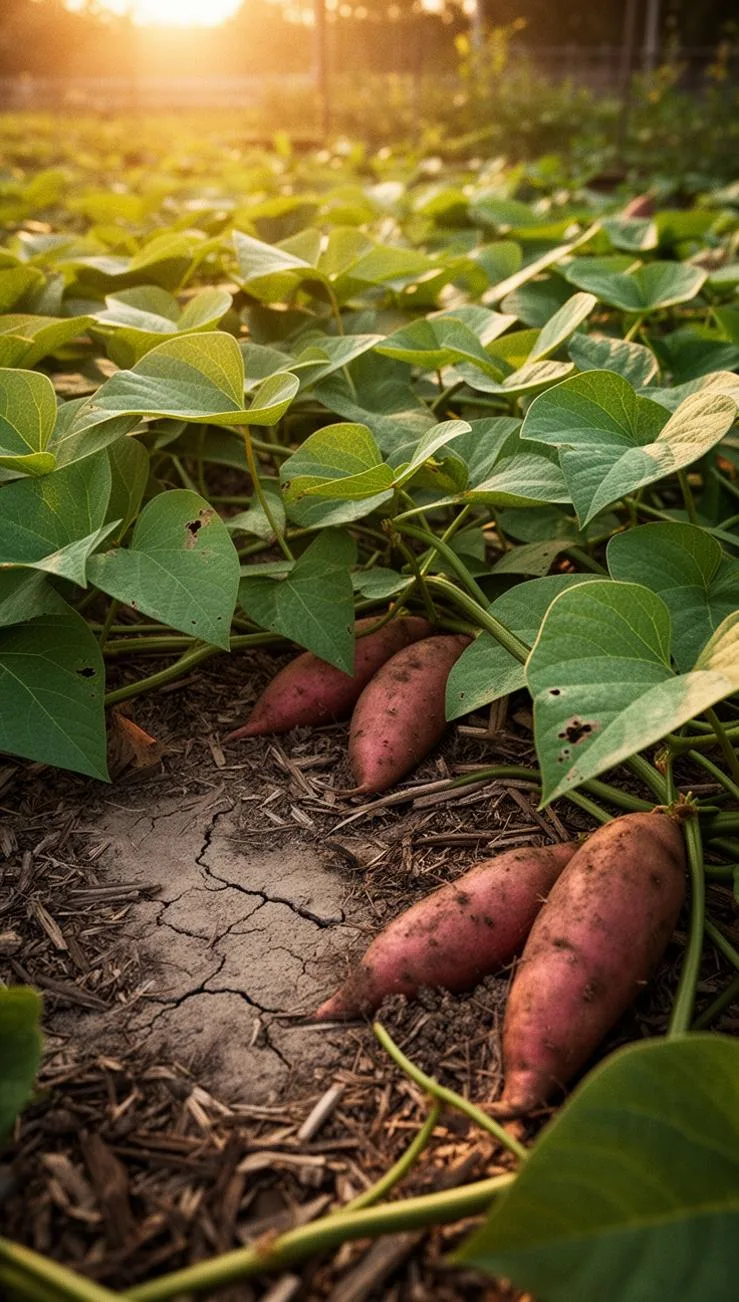
For ornamental containers, gardeners often use the “three-element” design rule. The “Thriller” is your focal point—something tall like a Canna lily or ornamental grass. The “Filler” consists of mounded plants like petunias or geraniums that hide the soil. The “Spiller” includes trailing vines like Creeping Jenny or Sweet Potato Vine that drape over the edges to soften the look.
Compact Varieties for Small Spaces
Modern horticulture has gifted us with “patio” varieties of almost everything. Look for “determinate” tomatoes, dwarf sunflowers, and bush-style beans. These plants are genetically programmed to stay compact, ensuring they don’t outgrow their containers by mid-July.
Your Step-by-Step Planting Guide
Getting your containers started requires more than just shoving a plant into a hole. Following a structured approach ensures that your plants have the drainage and nutrients they need to thrive through the summer heat. This month of container gardening may feel busy, but taking the time to set up your system correctly will save you hours of maintenance later. If you are focused on food, remember that growing hearty vegetables in containers starts with high-quality potting mix, not garden soil, which is too heavy and can carry diseases.
Step 1: Prep Your Vessels
Scrub out old pots with a mild soap and water solution to kill any lingering fungi. Ensure there are drainage holes at the bottom; if not, you will need to drill them. Without drainage, roots will rot in standing water.
Step 2: The Potting Mix Secret
Never use “topsoil” or “garden soil” in a pot. It compacts and prevents air from reaching the roots. Instead, purchase a dedicated potting mix containing peat moss or coconut coir, perlite, and vermiculite. This creates the light, fluffy environment roots love.
Step 3: Planting and Spacing
Arrange your plants while they are still in their nursery plastic pots to check the “look.” Once satisfied, remove them, gently loosen any circled roots, and bury them at the same depth they were in the nursery pot. Leave about an inch of space between the soil surface and the rim of the pot to allow for easy watering.
Step 4: Initial Watering and Settling
Water your new arrangement immediately until liquid flows out of the drainage holes. This settles the soil around the roots and eliminates large air pockets.
Tips from Experienced Gardeners
The Finger Test for Moisture
Don’t water on a schedule; water on demand. Stick your finger two inches into the soil. If it feels dry, it’s time to water. If it’s damp, wait another day. Pots dry out much faster than the ground, sometimes requiring twice-daily watering in July.
Feed for Fruit and Flowers
Potting soil usually contains a “starter” fertilizer that lasts about four to six weeks. Since watering leaches nutrients out of the bottom of the pot, you must supplement. Use a water-soluble balanced fertilizer every two weeks to keep your plants vibrant.
Common Mistakes to Avoid
Overcrowding the Pot
It is tempting to pack a pot tight so it looks “full” on day one. However, by June, those plants will be fighting for light and root space. Give them a few inches of breathing room to grow into their mature size.
Neglecting Drainage
Putting rocks in the bottom of a pot does not actually improve drainage; it often creates a “perched water table” that keeps roots too wet. Use a high-quality mix and ensure the holes at the bottom are unobstructed.
Tools and Materials Needed
- Hand Trowel: For digging and moving soil.
- Watering Can with a Rose: The “rose” is the perforated nozzle that provides a gentle shower rather than a blast of water.
- Pot Feet: These small risers lift pots off the ground, preventing “pot rings” on your deck and improving airflow.
- Pruning Shears: To deadhead spent blooms and encourage more growth.
- Slow-Release Fertilizer: Pellets that provide a steady stream of nutrients over several months.
Seasonal and Climate Considerations
Late May Frosts
In many northern climates, “Mother’s Day” is the traditional safe date, but rogue frosts can happen. Keep a few old bedsheets or professional frost blankets handy to cover your tender containers if a cold snap is predicted.
Heat Management
If you live in a very hot climate, consider using light-colored pots. Dark pots absorb heat and can literally cook the roots of your plants during a heatwave.
Benefits of Container Gardening
The beauty of this method lies in its flexibility. If a plant isn’t getting enough sun, you can simply pick it up and move it. Container gardening also significantly reduces the physical toll on your body—no more bending over entire rows of crops. Furthermore, it is much easier to control pests and weeds in a controlled environment, making it the perfect entry point for hobbyists.
Alternative Methods: Beyond the Plastic Flat
Vertical Gardening
If you lack floor space, look up. Wall-mounted planters, hanging baskets, and stackable “strawberry pots” allow you to grow a surprising amount of greenery in a tiny footprint.
Self-Watering Containers
These pots feature a reservoir at the bottom that the plant drinks from as needed. They are a game-changer for busy people or those who travel, as they can keep plants hydrated for several days without intervention.
Conclusion
As the days grow longer and the air turns warm, the opportunity to transform your outdoor space is at its peak. Embracing container gardening may seem like a small step, but it opens the door to a world of fresh flavors and stunning colors right at your doorstep. From the satisfaction of harvesting your own vegetables in containers to the simple joy of watching a flower bud bloom on your windowsill, May is the month to make it happen. Start small, water consistently, and watch as your portable garden becomes the highlight of your home.
Frequently Asked Questions
1. Can I grow tomatoes in a pot?
Absolutely! Look for “determinate” or “bush” varieties. A 5-gallon bucket or a large pot is usually sufficient for one tomato plant. Make sure it gets at least 6-8 hours of direct sunlight.
2. How often should I fertilize my containers?
Most container plants benefit from a liquid fertilizer every 10 to 14 days. Because containers are watered frequently, nutrients wash out of the soil faster than they do in a traditional garden bed.
3. Do I need to change the soil every year?
It is best practice to replace at least the top half of the soil every year. Every two to three years, you should replace all the soil to prevent the buildup of salts and pathogens.
4. What are the best vegetables for beginners?
Lettuce, radishes, and herbs like basil or mint are incredibly easy. They grow quickly and don’t require massive root space, making them perfect for first-time container gardeners.
5. Why are my plants wilting even when the soil is wet?
This is often a sign of overwatering or poor drainage. When roots sit in water, they can’t “breathe” oxygen, which causes them to rot and stop sending water to the rest of the plant.