How to Maximize Your Small Space with Creative Vertical Planting
Why Grow Up? Transforming Your Garden Space
Whether you have a tiny balcony in the city or a sprawling backyard that is simply running out of horizontal space, looking upward is the smartest move you can make. The world of vertical gardening ideas is vast, offering solutions that combine aesthetics with high-yield productivity. Many people assume that gardening requires rows of tilled earth, but you can actually grow a lush, thriving vertical vegetable garden using nothing more than a bare wall or a sturdy fence.
By utilizing the vertical plane, you reduce the risk of soil-borne pests, improve air circulation around your plants, and save your back from hours of painful bending and kneeling. In this guide, we will explore how to turn your vertical surfaces into living tapestries of green.
Creative Concepts for Vertical Growth
The Classic Trellis and Arbors
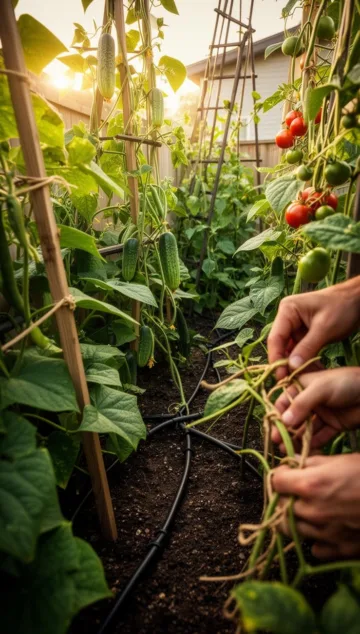
The most traditional way to garden vertically is by training climbing plants. Think beyond just roses; many edible crops like pole beans, peas, and cucumbers love to climb. A wooden or metal trellis provides the structural support needed for these heavy producers to thrive without taking up valuable square footage on the ground.
Repurposed Pallet Gardens
For the DIY enthusiast, an old shipping pallet can be transformed into a rustic planter. By attaching landscape fabric to the back and bottom to hold the soil, you create “pockets” where herbs and succulents can grow. It’s an affordable way to create a wall of greenery.
Pocket Planters and Living Walls
Felt pocket systems are becoming increasingly popular for urban gardeners. These breathable fabric pouches allow for excellent drainage and aeration. They are perfect for leafy greens like spinach and arugula, or trailing flowers like nasturtiums.
Actionable Guide: Setting Up Your First System
A Step-by-Step Guide to Vertical Success
Setting up your first vertical system doesn’t have to be intimidating. If you follow these steps, you can implement your own vertical gardening ideas in a single afternoon.
1. Choose Your Location: Most vegetables need at least 6 to 8 hours of sunlight. Ensure your vertical structure is placed against a south-facing wall if possible.
2. Select Your Framework: Decide if you are using a freestanding tower, a wall-mounted system, or a vertical vegetable garden setup using cattle panels.
3. Install the Support: Securely anchor your structure. Remember, once plants are full-grown and the soil is wet, the setup will be much heavier than it is now.
4. Prepare the Soil: Use a high-quality potting mix rather than garden soil. Potting mix is lighter and designed to retain moisture while allowing roots to breathe.
5. Planting: Place larger, heavier plants at the bottom and lighter, trailing plants at the top. This ensures the structure remains stable.
6. Irrigation: Consider a drip irrigation system. Water tends to pull downward quickly in vertical setups, so the top tiers may dry out faster than the bottom.
Insights from Experienced Gardeners
Focus on Weight Distribution
Veteran gardeners will tell you that weight is your biggest enemy. If you are attaching pots to a fence, ensure the fence posts are sturdy. Use plastic or resin containers instead of heavy terracotta to keep the load manageable.
The Importance of Airflow
One major benefit of growing upward is the reduction in fungal diseases like powdery mildew. Because plants are off the ground, air can circulate freely. However, don’t crowd your plants too tightly in the pockets, or you’ll lose this natural advantage.
Common Mistakes to Avoid
Using the Wrong Soil
Never use “topsoil” or “garden soil” in vertical containers. It is too dense and will compact over time, suffocating the roots and making the entire structure dangerously heavy. Always opt for a “soilless” potting medium containing peat moss or coconut coir.
Ignoring Drainage Needs
Because water flows downward, the bottom plants in a vertical system often end up sitting in soggy soil while the top plants are parched. Ensure every level has adequate drainage holes, and monitor the moisture levels of each tier individually.
Neglecting High-Wind Areas
Vertical structures act like sails. If you live in a windy corridor, a freestanding trellis can easily tip over. Always anchor your structures to a permanent wall or use weighted bases.
Essential Tools and Materials
Connectivity and Support
- Zip Ties or Soft Plant Ties: Crucial for gently guiding stems toward their supports.
- Wall Anchors: For securing heavy frames to masonry or wood siding.
- Cattle Panels: These thick wire grids are incredibly strong and perfect for heavy vining crops like squash.
Watering Tools
- Wand Attachment for Hoses: Helps you reach the high pockets without a ladder.
- Self-Watering Reservoirs: Many modular vertical kits include built-in reservoirs to help maintain moisture levels.
Seasonal and Climate Considerations
Heat Management
Vertical gardens are more exposed to the elements than ground-level beds. In peak summer, the soil in small pockets can bake. If you live in a hot climate, consider using light-colored containers to reflect heat and installing a shade cloth during the hottest part of the day.
Winterizing Your Setup
In colder regions, roots are more susceptible to freezing when they are above ground. Perennials may not survive a harsh winter in a thin wall planter. Either move portable systems indoors or focus on growing annuals that you can clear out once the first frost hits.
The Benefits of Growing Vertically
Maximum Yield in Minimum Space
The most obvious benefit is the sheer volume of food or flowers you can produce. By utilizing height, you can grow three to four times more plants than you could in the same footprint on the ground.
Pest and Weed Control
Slugs and snails have a much harder time reaching your strawberries when they are five feet off the ground. Furthermore, vertical systems use sterile potting mix, which means virtually zero weeds for you to pull.
Alternative Methods to Explore
Hydroponic Towers
If you want to go high-tech, hydroponic towers use nutrient-rich water instead of soil. These are often used indoors with LED grow lights, allowing for year-round harvesting of herbs and lettuce.
Gutter Gardening
Repurposing old rain gutters is a fantastic way to create long, narrow planting rows along a fence. They are the perfect depth for shallow-rooted crops like strawberries and radishes.
Final Thoughts on Vertical Horticulture
Embracing the sky is the ultimate way to revolutionize your gardening experience. By experimenting with different vertical gardening ideas, you can turn a boring patio into a lush sanctuary. Whether you are aiming for a decorative floral display or a highly productive vertical vegetable garden, the principles remain the same: provide sturdy support, use lightweight soil, and ensure consistent moisture. With a little bit of creativity, your garden can reach new heights—literally!
Frequently Asked Questions
What are the best plants for a vertical garden?
Leafy greens (lettuce, spinach, kale), herbs (basil, parsley, mint), strawberries, and vining vegetables (peas, beans, cucumbers) are the most successful choices. If you want flowers, consider petunias, fuchsias, or lobelia.
Can I grow tomatoes vertically?
Yes, but you must choose the right variety. “Determinate” or bush tomatoes work well in large hanging baskets, while “indeterminate” varieties require a very strong, tall trellis as they can grow up to 8 feet high.
How often should I water my vertical plants?
Vertical containers dry out faster than traditional beds. Depending on the weather, you may need to water once a day, or even twice during extreme heat waves.
Do I need special fertilizer?
Since you are likely using a potting mix with limited nutrients, you should use a liquid organic fertilizer every two weeks during the growing season to keep your plants healthy and productive.
How do I prevent the structure from damaging my wall?
Install a spacer (like a thin strip of wood) between your planter and the wall to allow for airflow. This prevents moisture from being trapped against your siding or brick, which could lead to mold or rot over time.