The Ultimate Late Spring Gardening Handbook: Vibrant Blooms and Bounty
The Magic of the May Garden
There is a specific kind of magic that settles into the garden during the month of May. The soil has finally shaken off the winter chill, the birds are increasingly vocal, and for many of us in temperate climates, the danger of frost has finally passed. This month is the “rush hour” of the horticultural world. Understanding what to plant in may is the secret to a high-yielding summer harvest and a flower bed that keeps its color well into autumn. Whether you are working with a sprawling backyard or a handful of balcony containers, this may planting guide will help you navigate the transition from spring preparation to full-blown growing season success.
Warm-Season Vegetables for the May Garden
In most regions, May marks the official transition to warm-season crops. These are the “divas” of the garden—they love the sun, crave heat, and will pout (or die) if the temperature drops too low. Here is a breakdown of the best edibles to get into the ground now.
The Indispensable Tomato
If there is one plant that defines May gardening, it is the tomato. From beefsteaks to tiny cherry varieties, May is the ideal time to transplant your seedlings. Ensure the soil temperature is consistently above 60°F (15°C) before tucking them in. Remember to bury the stem deep—up to the first set of true leaves—to encourage a massive root system.
Heat-Loving Peppers and Eggplants
Peppers and eggplants are even more sensitive to cold than tomatoes. If you live in a northern climate, wait until the end of the month. These plants thrive in full sun and well-draining soil. Consider using black plastic mulch or dark landscape fabric if you need to trap a little extra heat in the soil.
Cucurbits: Squash, Zucchini, and Melons
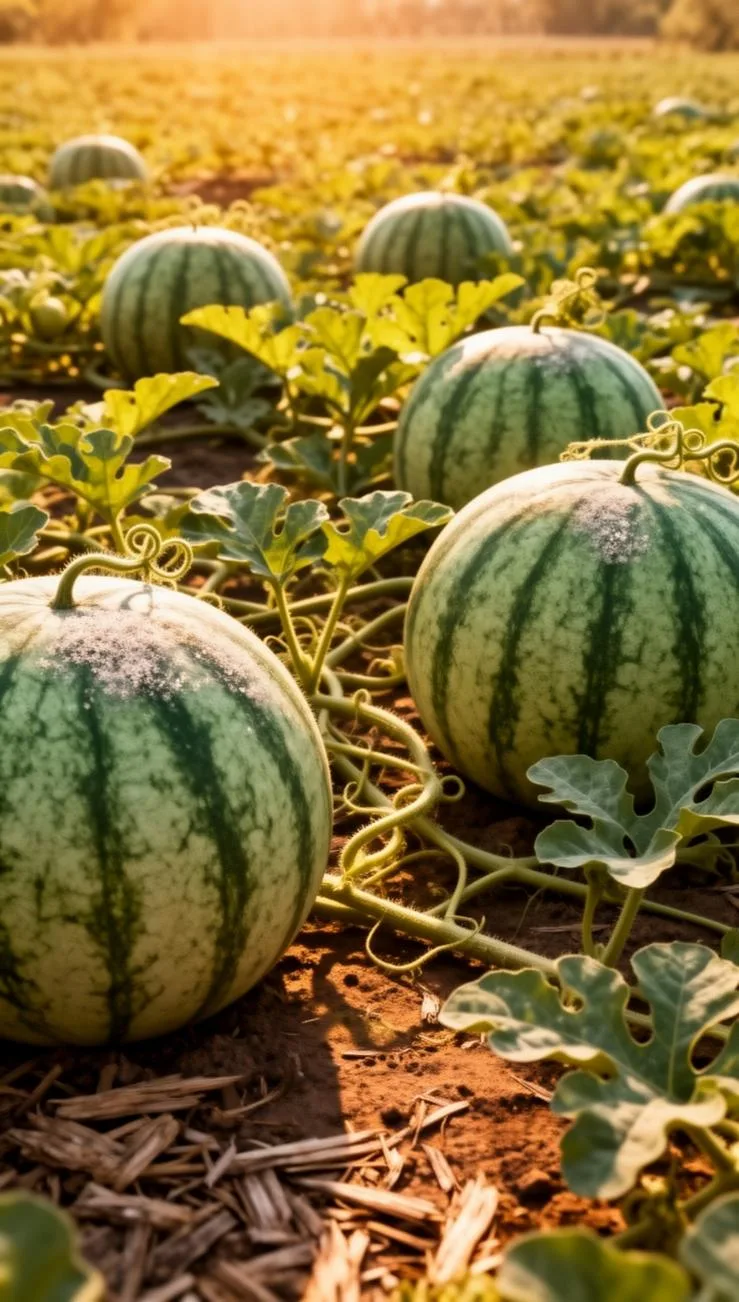
These vigorous growers are best direct-seeded into the soil once it has warmed up. “Mounding” is a popular technique here—create small hills of soil and plant 3-4 seeds per mound. This ensures good drainage and gives the heavy-feeding roots plenty of room to expand.
Lush Summer Flowers to Start Now
While vegetables feed the body, flowers feed the soul (and the pollinators). Planting your summer annuals in May ensures they have enough time to establish themselves before the intense heat of July arrives.
Zinnias: The Cutting Garden King
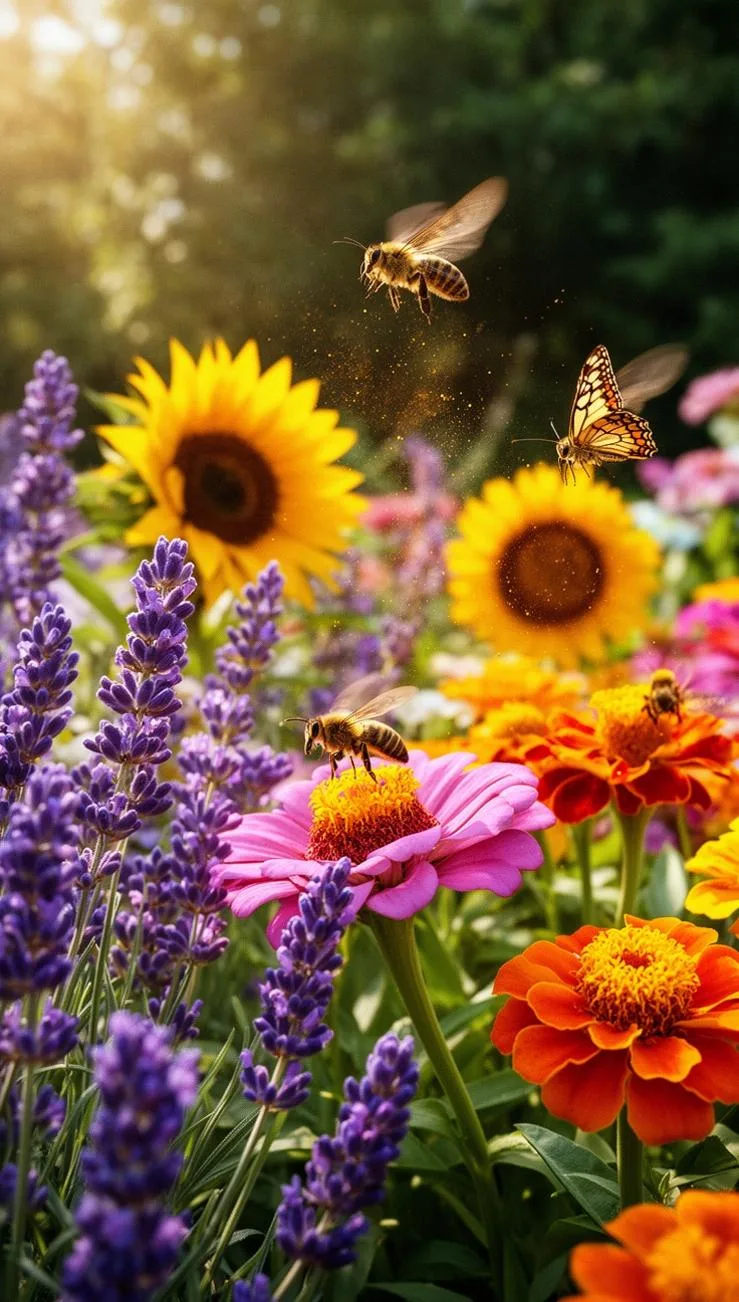
Zinnias are perhaps the easiest flower for a beginner to grow from seed. They germinate quickly in May’s warm soil and provide nectar for butterflies all summer. Direct sow them in a sunny spot, and they will be blooming before you know it.
Sunflowers and Cosmos
For height and whimsy, you cannot beat sunflowers and cosmos. Both can be direct-seeded this month. Sunflowers need plenty of space and heavy feeding, while cosmos actually prefer slightly poorer soil—too much fertilizer will give you lots of green lace but very few flowers.
Step-by-Step Instructions for Your May Success
Ready to get your hands dirty? Follow these steps to ensure that what to plant in may actually survives and thrives. This may planting guide focuses on the essential transition from the nursery pot to the garden bed.
- Step 1: Hardening Off: If you started seeds indoors or bought plants from a greenhouse, do not put them straight into the ground. Spend 7-10 days gradually exposing them to outdoor conditions (wind, direct sun, and temperature fluctuations).
- Step 2: Soil Preparation: Loosen the soil to a depth of 8-10 inches. Mix in a generous amount of aged compost or well-rotted manure to provide the nutrients your young plants will need.
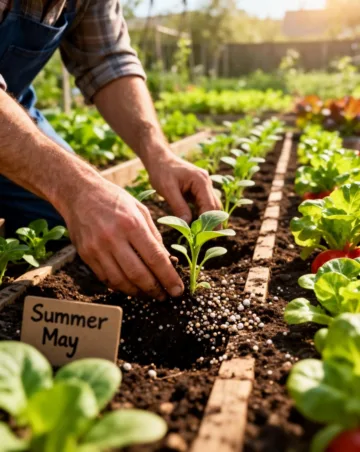
- Step 3: Planting: Dig a hole twice the width of the plant’s root ball. For “heavy feeders” like squash or tomatoes, add a handful of organic granular fertilizer to the bottom of the hole and cover it with a thin layer of soil before placing the plant.
- Step 4: Watering: Water your transplants immediately after planting. Use a gentle setting on your hose to avoid washing away the soil or damaging tender stems.
- Step 5: Mulching: Apply a 2-inch layer of organic mulch (straw, shredded leaves, or wood chips) around the base of the plants. This keeps moisture in and suppresses the weeds that also love the May sun.
Tips from Experienced Gardeners
Seasoned growers know that gardening is as much about observation as it is about physical labor. Here are a few “pro-tips” to keep in mind:
- Check your soil moisture: Stick your finger two inches into the soil. If it feels dry, it’s time to water. If it’s muddy, hold off.
- Succession plant: Don’t plant all your beans at once. Plant a new row every two weeks to ensure a continuous harvest rather than one giant “glut.”
- Stake early: Don’t wait for your peas or tomatoes to fall over. Put your cages and trellises in place the same day you plant.
Common Mistakes to Avoid
Even experts make mistakes, but beginners can avoid these common pitfalls:
- Planting too early: It might be sunny, but if the nights are still dropping into the 40s (Fahrenheit), your peppers will stunt and may never recover.
- Crowding the plants: It is tempting to pack plants together for an instant look, but poor airflow leads to powdery mildew and pests. Follow the spacing instructions on the seed packet.
- Over-fertilizing: More is not always better. Too much nitrogen will give you a giant green tomato plant with zero actual tomatoes.
Tools and Materials Needed
To make the most of your May gardening sessions, ensure you have these essentials on hand:
- Hand Trowel: For digging precise holes for transplants.
- Garden Hoe: For keeping those fast-growing May weeds at bay.
- Organic Compost: The “black gold” that fuels plant growth.
- Soaker Hoses: The most efficient way to water your vegetable rows without getting foliage wet.
- Garden Stakes/Twine: For supporting climbing crops and tall flowers.
Seasonal and Climate Considerations
May looks different depending on where you reside. In the southern United States, May might already be getting too hot for cool-weather crops like lettuce, meaning you need to provide shade. In northern regions or high altitudes, May might still have a “sneaky” frost. Always keep a few frost blankets or old bedsheets handy just in case the weather forecast takes a sudden dip.
Benefits of Planting in May
Why is May the gold standard for gardening? First, the daylight hours are rapidly increasing, providing the energy plants need for photosynthesis. Second, the soil biology is waking up—beneficial microbes and earthworms are most active now, helping to cycle nutrients to your plants’ roots. Finally, planting now allows perennials to establish their roots before the drought stresses of mid-summer arrive.
Alternative Methods: Container and Vertical Gardening
If you lack yard space, May is the perfect time to start a container garden. Use high-quality potting mix (not garden soil) in your pots. You can also try vertical gardening by using “A-frame” trellises for cucumbers or pole beans. This saves space and keeps the fruit off the ground, reducing the risk of rot and pests.
Summary of Your Late Spring Goals
In summary, May is the bridge between the planning of winter and the harvest of summer. By focusing on what to plant in may—specifically your heat-loving vegetables and vibrant annual flowers—you set the stage for a spectacular growing season. Using a reliable may planting guide ensures that you aren’t just guessing, but rather working in harmony with the natural cycles of your local environment. Stay consistent with watering, keep an eye out for pests, and most importantly, enjoy the process of watching your garden come to life.
Frequently Asked Questions
Can I still plant cool-season crops like spinach in May?
In cooler climates, yes. However, in most areas, spinach will “bolt” (go to seed) as the days get longer and hotter. Try planting Swiss chard or kale instead, as they handle the rising temperatures much better than spinach.
What is the best time of day to plant?
Late afternoon or an overcast day is best. This gives the plant all night to recover from the shock of being moved before it has to face the intense midday sun.
Do I need to fertilize my flowers in May?
If you added compost to your soil, you likely don’t need much. However, heavy bloomers like petunias or geraniums benefit from a balanced, water-soluble fertilizer every two weeks starting in late May.
How do I know if my soil is warm enough?
You can use a dedicated soil thermometer. Most warm-season crops want the soil to be at least 65°F (18°C). A “low-tech” way is to see if native weeds are growing vigorously; if they are, the soil is usually warm enough for hardy vegetables.
What flowers are best for pollinators in May?
Bee balm, salvia, and borage are excellent choices to plant in May. They provide high-quality nectar and will attract beneficial insects that help pollinate your vegetable crops as well.