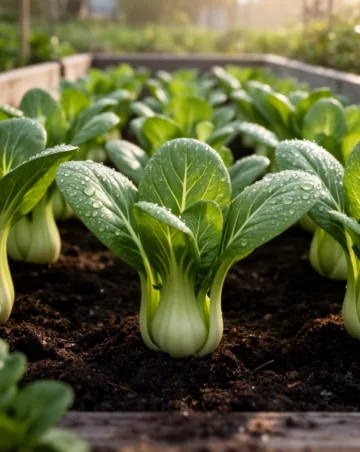
The Ultimate Guide to Growing Crisp and Flavorful Bok Choy at Home
If you have ever enjoyed a steaming bowl of ramen or a vibrant stir-fry, you know that bok choy is the undisputed king of crunch. Also known as pak choi, this leafy green is a staple in Asian cuisine, but it is also one of the most rewarding vegetables for home gardeners to cultivate. Whether you have a sprawling backyard or a few pots on a balcony, learning how to grow bok choy is a fantastic way to ensure a steady supply of nutrient-dense greens. This bok choy planting guide is designed to take the guesswork out of the process, helping you transition from a curious beginner to a confident harvester of this fast-growing cool-weather crop.
Understanding Your Local Growing Environment
Temperature and Timing
Bok choy is a biennial plant grown as an annual, and it thrives in the cool temperatures of spring and autumn. Ideally, it prefers temperatures between 45°F and 75°F (7°C to 24°C). If the weather gets too hot, the plant will “bolt”—meaning it sends up a flower stalk and the leaves become bitter. For the best success, time your planting so the crop matures before the heat of summer or the deep freeze of winter hits.
Sunlight Requirements
While many vegetables demand full sun, bok choy is surprisingly versatile. It performs best in full sun (6+ hours), but it can actually tolerate partial shade quite well. In fact, providing some shade during the hottest part of the afternoon can prevent bolting and extend your harvest window in warmer climates.
Choosing the Right Variety for Your Garden
Standard vs. Baby Bok Choy
Standard varieties, such as ‘Prize Choy’, can grow up to 12-18 inches tall with thick, white stems and dark green leaves. If you are short on space or want a faster turnaround, consider “Baby” varieties like ‘Toy Choy’ or ‘Win-Win Choi’. These are typically harvested when they are only 4-6 inches tall and are famed for their tender texture.
Color Variations
While the white-stemmed varieties are classic, many gardeners love the Shanghai types, which feature pale green stems and spoon-shaped leaves. There are even purple varieties available now that add a stunning pop of color to your garden beds and dinner plates.
Step-by-Step Instructions for Success
Ready to get your hands dirty? Follow these steps to grow bok choy with ease. This bok choy planting guide ensures you cover everything from soil preparation to the final snip of the shears.
Step 1: Soil Preparation
Bok choy is a heavy feeder that loves nitrogen. Before planting, work in plenty of well-rotted compost or aged manure to a depth of about 6 inches. The soil should be loose, well-draining, and have a pH between 6.0 and 7.5. If your soil is heavy clay, consider growing in raised beds to improve drainage.
Step 2: Sowing Seeds
You can start seeds indoors 4 weeks before the last frost or sow them directly into the garden once the soil is workable. Sow seeds 1/4 to 1/2 inch deep. If sowing directly, space seeds about 1 inch apart in rows. Once the seedlings have 2-3 true leaves, thin them to 6-12 inches apart, depending on the variety’s mature size.
Step 3: Consistent Watering
Consistency is key. Bok choy has shallow roots and needs regular moisture to keep the leaves tender. Aim for at least 1 inch of water per week. Mulching around the base of the plants with straw or shredded leaves can help retain moisture and keep the roots cool.
Step 4: Feeding the Plants
Since this is a leafy green, nitrogen is its best friend. Use a balanced organic fertilizer or a liquid seaweed extract every three weeks to keep the growth vigorous. Avoid over-fertilizing with high-phosphorus blends, as this won’t benefit the leafy growth as much.
Step 5: Harvesting
You can begin harvesting individual outer leaves as soon as they are large enough to eat. For a full head harvest, use a sharp knife to cut the plant off at the soil line. For baby varieties, this is usually 30-45 days after planting; for standard sizes, it may take 50-70 days.
Tips from Experienced Gardeners
Succession Planting
To avoid a “harvest glut” where all your bok choy is ready at once, try succession planting. Sow a new row of seeds every 10 to 14 days. This ensures that as one batch is finishing, another is just reaching maturity, providing you with a continuous supply throughout the season.
The Trick to Crisp Stems
If you notice your bok choy looking a bit wilted in the garden during a warm afternoon, don’t panic. Water it in the evening. For the crispiest texture, harvest your bok choy in the early morning while the dew is still on the leaves and the plant is fully hydrated.
Common Mistakes to Avoid
Planting Too Late in Spring
One of the most common frustrations is seeing your plant turn into a tall, flowering stalk before it forms a head. This usually happens because the plant was exposed to temperatures consistently above 80°F. If you live in a warm Zone, lean toward autumn planting instead of spring.
Crowding the Plants
It is tempting to leave all the seedlings in the row, but bok choy needs airflow. Crowded plants are more susceptible to fungal diseases and will produce smaller, spindly stems. Always thin your seedlings to the recommended spacing.
Neglecting Pest Control
Flea beetles and cabbage loopers love bok choy as much as we do. Flea beetles leave tiny “shotholes” in the leaves. To prevent this, use row covers immediately after planting to create a physical barrier against these pests.
Tools and Materials Needed
- High-quality seeds: Choose a variety suited for your specific space.
- Hand Trowel: Essential for transplanting and weeding.
- Compost: For enriching the soil nutrients.
- Floating Row Covers: To protect young plants from pests and light frost.
- Watering Can or Soaker Hose: To provide consistent, gentle hydration.
- Garden Shears: For a clean harvest without damaging the root system.
Seasonal and Climate Considerations
Spring vs. Fall Planting
In the spring, the challenge is the rising heat. In the fall, the challenge is the shortening days. Interestingly, many gardeners find that fall-grown bok choy is sweeter because the cooler temperatures of autumn convert the plant’s starches into sugars. If a light frost is predicted, don’t worry—bok choy can handle a touch of frost, which often improves the flavor.
Growing in Containers
If you have a balcony or patio, bok choy is an excellent candidate for container gardening. Use a pot that is at least 8-10 inches deep. Because pots dry out faster than the ground, you may need to water your container-grown greens daily during dry spells.
Benefits of This Gardening Method
Growing your own bok choy at home offers benefits that you simply cannot get from a grocery store. First, the nutritional density is much higher when you eat the vegetable shortly after harvest. Bok choy is packed with Vitamin C, Vitamin K, and antioxidants.
Second, the culinary versatility is unmatched. While the store usually carries only one type, growing your own allows you to experiment with different textures and colors. Finally, bok choy is an incredibly fast-growing crop, making it perfect for kids or impatient gardeners who want to see results quickly.
Alternative Methods: Hydroponics and Regrowing from Scraps
Hydroponic Growing
Bok choy thrives in hydroponic systems like Deep Water Culture (DWC) or Nutrient Film Technique (NFT). Because it loves water and nitrogen, it can reach maturity even faster in a controlled indoor environment than it does in soil.
Regrowing from the Base
Did you know you can regrow bok choy from the kitchen scrap? Cut off the base (about 2 inches) and place it in a shallow bowl of water. Within a few days, you’ll see new green growth emerging from the center. While this won’t produce a massive new head, it’s a fun way to get some extra microgreens for your salad!
Conclusion
Whether you are looking to save money on groceries or simply want to experience the joy of eating something you raised from a tiny seed, the decision to grow bok choy is one you won’t regret. By following this bok choy planting guide, you can master the timing, soil requirements, and care needed to produce a professional-grade harvest right in your own backyard. Remember to keep the soil moist, watch out for early heat waves, and don’t be afraid to harvest those baby leaves early. Happy gardening!
Frequently Asked Questions
1. How long does it take for bok choy to grow?
Most varieties reach maturity between 30 and 70 days. Baby varieties are usually ready for harvest in about 40 days, while full-sized heads take a few weeks longer.
2. Is bok choy easy to grow for beginners?
Yes! It is one of the easiest vegetables for beginners because it grows quickly and doesn’t require complex pruning or staking. Just provide consistent water and cool temperatures.
3. Can I grow bok choy in the summer?
It is difficult in most climates because the heat causes the plant to flower and become bitter. However, if you have a very shady spot or live in a coastal area with cool summers, it is possible.
4. What is eating holes in my bok choy leaves?
The most likely culprits are flea beetles (tiny holes) or cabbage worms (larger chunks). Using a fine mesh row cover is the most effective way to prevent this without using chemicals.
5. Why is my bok choy flowering so early?
This is called “bolting.” It usually happens because of a sudden temperature spike or because the plant was stressed by a lack of water. Once it bolts, the flavor changes, so it’s best to harvest immediately.