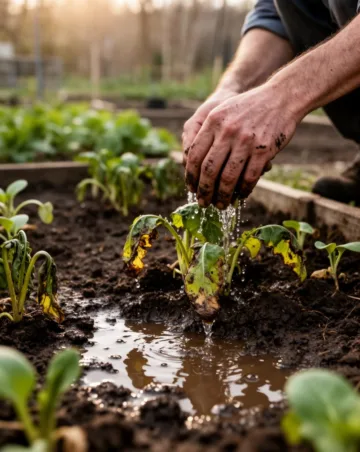
The Ultimate Guide to Starting Your Green Sanctuary: Avoiding Early Pitfalls
There is something undeniably magical about sticking your hands in the dirt and watching a tiny seed transform into a vibrant flower or a crisp vegetable. However, for many new enthusiasts, that initial excitement can quickly turn into frustration when plants wither or seeds fail to sprout. The truth is that most “black thumbs” aren’t born; they are simply the result of a few easily fixable gardening mistakes beginners often make during their first season. By understanding these common gardening mistakes, you can save yourself time, money, and heartache while ensuring your backyard or balcony flourishes.
Understanding the Foundation of a Healthy Garden
Before you buy every beautiful plant at the local nursery, it is essential to understand that gardening is as much about the environment as it is about the plants themselves. Success starts from the ground up.
Testing Your Soil Quality
One of the biggest oversights is assuming all dirt is created equal. Your soil provides the nutrients and hydration your plants need to survive. If your soil is too acidic, too alkaline, or lacks organic matter, your plants will struggle regardless of how much you water them. Consider a simple DIY soil test kit to check your pH levels and nutrient balance.
Location and Sunlight Exposure
Plants are solar-powered. A common error is placing sun-loving vegetables, like tomatoes or peppers, in a spot that only gets two or three hours of light. Most “full sun” plants require at least six to eight hours of direct sunlight. Conversely, placing shade-loving ferns in the blazing afternoon sun will lead to scorched leaves and plant death.
Watering and Maintenance Essentials
Watering seems simple, but it is actually one of the most nuanced aspects of horticulture. It is the area where most trial-and-error occurs.
Consistency vs. Frequency
A “little bit of water every day” is often the wrong approach. Shallow watering encourages shallow root systems, which make plants vulnerable to heat and drought. Instead, aim for deep, infrequent watering that encourages roots to grow deep into the earth in search of moisture.
The Dangers of Overwatering
Believe it or not, more indoor and outdoor plants die from overwatering than from underwatering. When soil is constantly soggy, the roots cannot “breathe,” leading to root rot—a fungal condition that is often fatal. Always check the moisture level an inch below the surface before reaching for the watering can.
A Step-by-Step Guide to Planning Your First Garden
Following a structured plan is the best way to bypass gardening mistakes beginners typically encounter. By taking a methodical approach, you can avoid the common gardening mistakes of over-planting or choosing the wrong varieties for your specific hardiness zone.
Phase 1: Start Small
The temptation to dig up the entire backyard is real. However, start with a small 4×4 raised bed or a few large containers. It is much better to be successful with three plants than to be overwhelmed and defeated by thirty.
Phase 2: Grouping Plants by Need
Place plants with similar water and light requirements together. This technique, known as companion grouping, ensures that you don’t accidentally overwater a drought-tolerant herb like rosemary while trying to keep a thirsty cucumber plant happy.
Phase 3: Labeling and Record Keeping
You might think you’ll remember where you planted the kale and where you planted the broccoli, but once those first green shoots emerge, they often look identical. Use weatherproof labels and keep a simple garden journal to track what works and what doesn’t.
Phase 4: Mulching Your Beds
After planting, apply a layer of organic mulch (like straw, bark chips, or shredded leaves). This regulates soil temperature, suppresses weeds, and keeps moisture in the ground where it belongs.
Pro Tips from Experienced Horticulturists
Experienced gardeners have learned through years of observation. Here are some “golden rules” they swear by:
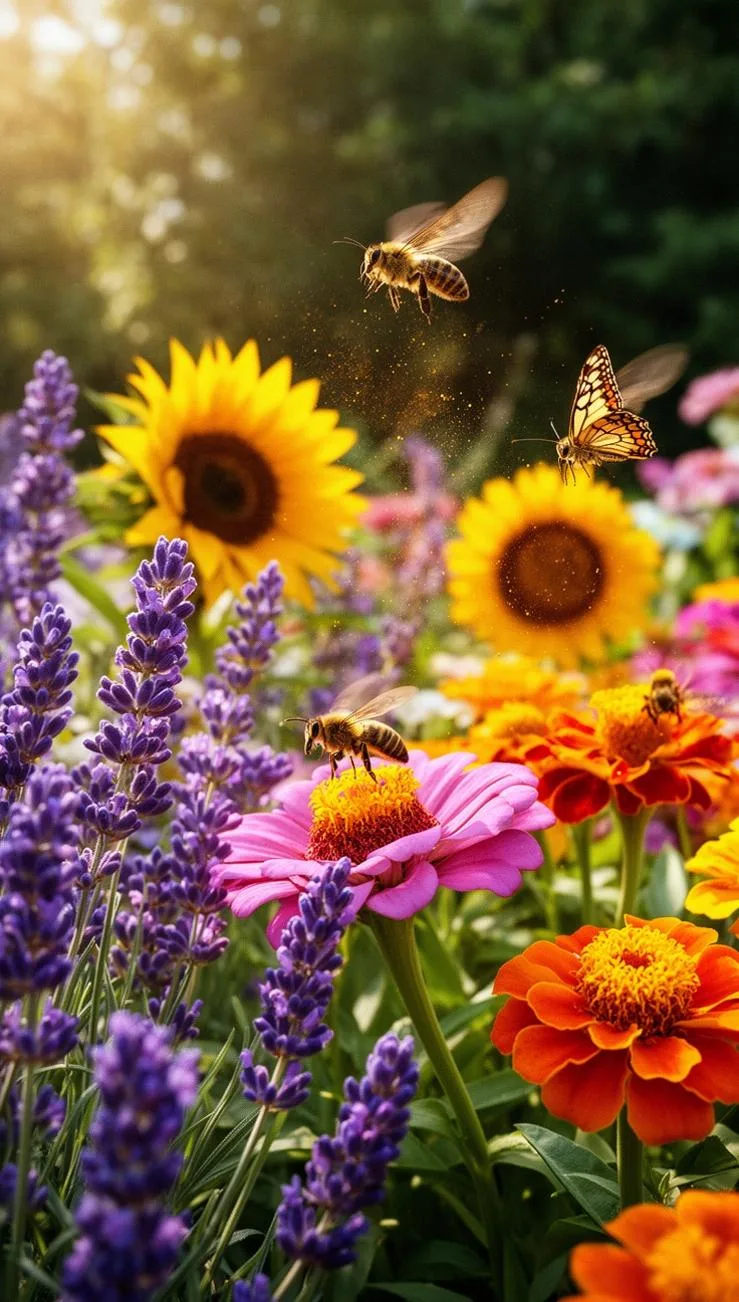
- Watch the bugs: Not all insects are enemies. Ladybugs and lacewings are your best friends because they eat aphids. Don’t reach for the pesticide the moment you see a bug.
- Quality over quantity: Buy the best soil and compost you can afford. It is the single best investment you will make.
- Observe daily: Spend five minutes every morning walking through your garden. Catching a problem early—like a few spots of fungus or a hornworm—is the key to stopping a disaster.
The “Big Three” Mistakes to Avoid Immediately
1. Planting Too Decp
Seeds have limited energy stored within them. If you bury a tiny lettuce seed two inches deep, it will run out of energy before it ever reaches the light. As a general rule, plant seeds only as deep as twice their diameter.
2. Ignoring Local Frost Dates
Planting warm-weather crops like basil or zinnias before the last frost date is a recipe for disaster. Always check your local agricultural extension for the safe planting dates in your specific zip code.
3. Crowding Your Plants
That tiny tomato seedling in the 4-inch pot will eventually grow into a five-foot-tall bush. If you plant them too close together, you reduce airflow, which leads to disease, and the plants will compete for nutrients.
Essential Tools for Your Gardening Kit
You don’t need a shed full of high-tech gear to start. Focus on these high-quality basics:
- A sturdy trowel: For digging small holes and transplanting.
- Hand pruners: For deadheading flowers and harvesting veggies.
- A watering wand: This allows you to water the base of the plant without getting the foliage wet (which prevents disease).
- Garden gloves: To protect your hands from thorns, blisters, and soil-borne bacteria.
- A garden fork: Helpful for turning compost or loosening compacted soil.
Seasonal and Climate Considerations
Gardening is tie-bound to your local environment. If you live in a hot, arid climate, your primary challenge will be water retention and providing afternoon shade. If you live in a cool, rainy climate, your focus will be on ensuring proper drainage and maximizing sunlight exposure. Always choose “native” or “regionally adapted” plants, as they have evolved to thrive in your specific weather patterns with minimal intervention.
The Benefits of a Mindful Gardening Approach
Beyond the fresh produce, gardening offers immense mental health benefits. It encourages mindfulness, reduces cortisol levels, and provides a sense of accomplishment. When you approach your garden as a learning laboratory rather than a chore, every mistake becomes a lesson rather than a failure. The physical activity involved in weeding and planting also provides a low-impact workout that improves flexibility and strength.
Alternative Gardening Methods for Beginners
If a traditional in-ground plot feels too daunting, consider these alternatives:
Container Gardening
Perfect for apartment dwellers or those with poor soil. You have total control over the soil quality and can move the pots to follow the sun.
Square Foot Gardening
A highly organized system that uses a grid to maximize space. It is excellent for beginners because it takes the guesswork out of spacing and helps prevent over-planting.
Hydroponics
Growing plants in water without soil. While it has a steeper learning curve regarding nutrients, it eliminates soil-borne pests and is great for year-round indoor herb gardens.
Conclusion: Transforming Challenges into Growth
Starting a garden is a journey of discovery that requires patience and a bit of humility. While it is easy to fall into the trap of gardening mistakes beginners frequently encounter, remember that every seasoned expert was once a novice with a dead plant in their hands. By paying attention to soil health, respecting sunlight requirements, and avoiding the common gardening mistakes of overwatering and overcrowding, you are already miles ahead of the curve. Keep your tools sharp, your soil rich, and your curiosity alive, and you will eventually find your rhythm in the natural world.
Frequently Asked Questions
How much should I water my new garden?
Most gardens need about one inch of water per week. It is best to apply this in one or two deep soakings rather than daily light mists. Always check the soil moisture with your finger before watering.
Why are my plant leaves turning yellow?
Yellow leaves can signify several issues, but the most common are overwatering, nitrogen deficiency, or lack of sunlight. Check the soil moisture first; if it’s dry, the plant likely needs food or more light.
Do I really need to use fertilizer?
In most cases, yes. While good soil helps, plants consume nutrients as they grow. Using a balanced, organic fertilizer or adding fresh compost mid-season gives your plants the boost they need to produce fruit and flowers.
What are the easiest plants for a beginner to grow?
For vegetables, try radishes, zucchini, or cherry tomatoes. For flowers, marigolds, zinnias, and sunflowers are incredibly hardy and rewarding for first-time gardeners.
When is the best time of day to garden?
Early morning is ideal. The temperatures are cooler for you and the plants, and watering in the morning allows the leaves to dry before evening, which prevents fungal growth and disease.