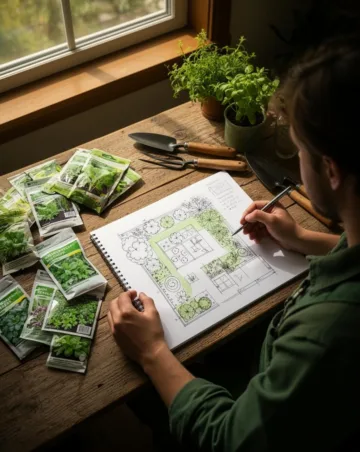
The Ultimate Guide to Starting Your First Dream Plot
There is something inherently magical about watching a tiny seed transform into a vibrant vegetable or a blooming flower. However, for many new enthusiasts, the transition from scrolling through Pinterest photos to actually digging in the dirt can feel overwhelming. Without a solid roadmap, you might find yourself with plants that wither in the shade or a garden that grows into an unmanageable jungle by July. Mastering garden planning beginners can use to simplify the process is the secret to a stress-free harvest. By following a few expert garden planning tips, you can ensure your outdoor space is not only beautiful but also productive and easy to maintain throughout the seasons.
Finding the Perfect Spot: Location is Everything
Assessing Sunlight for Success
Sunlight is the primary fuel for your plants. Most vegetables and flowering perennials require “full sun,” which translates to at least six to eight hours of direct sunlight per day. Before you buy a single shovel, spend a weekend observing how the sun moves across your yard. Note which areas stay bright and which are shaded by trees, fences, or your house.
Proximity to Water Sources
One of the most common reasons new gardens fail is “distance fatigue.” If you have to haul a heavy watering can 100 feet across the yard every morning, you are less likely to keep up with the chore. Place your garden beds as close to an outdoor faucet or rain barrel as possible. Investing in a high-quality hose or a simple drip irrigation system can save you hours of labor.
Checking for Proper Drainage
Plants need water, but most hate “wet feet.” If your chosen spot has standing water after a rainstorm, the roots may rot. You can test your drainage by digging a small hole, filling it with water, and seeing how long it takes to empty. If it takes more than a few hours, consider building raised beds to keep the roots above the soggy soil.
Step-by-Step Instructions: From Concept to Crop
The process of garden planning beginners often find most effective starts with a pencil and paper rather than a tiller. First, sketch your yard and identify the dimensions of your future beds. Start small—a 4×8 foot bed is plenty for a first-timer. Second, determine your “hardiness zone” to know which plants will thrive in your local climate. This prevents the heartbreak of planting tropical species in a frost-prone area.
Third, use these garden planning tips to organize your layout: place the tallest plants (like corn or pole beans) on the north side of the bed so they don’t shade the shorter plants (like lettuce or radishes). Fourth, prepare your soil by Adding 2-3 inches of organic compost to provide the nutrients your plants crave. Finally, label everything clearly. It is remarkably easy to forget where you planted the carrots once the Great Greenery begins to grow.
Main Types of Garden Layouts
The Traditional Row Garden
This is the classic “farm style” layout. It’s excellent for large areas and makes it easy to walk between crops. However, it can often lead to wasted space and more room for weeds to take hold in the paths.
Raised Bed Gardening
Raised beds are usually wooden or metal frames filled with high-quality soil. They are perfect for beginners because they provide total control over the soil quality and offer better drainage. They also save your back by reducing the amount of bending required.
Square Foot Gardening
This intensive method involves dividing a raised bed into one-foot squares. You plant a specific number of seeds in each square based on the size of the plant. It’s a fantastic way to maximize a small harvest in a tiny footprint.
Tips from Experienced Gardeners
– Start with what you eat: Don’t grow kale if you hate the taste just because it looks pretty in photos. Focus on the vegetables you buy every week at the grocery store.
– Mulch is your best friend: A thick layer of straw, wood chips, or shredded leaves keeps moisture in the soil and prevents weeds from germinating.
– Keep a garden journal: Note down when you planted, what variety you used, and when you harvested. This becomes your “cheat sheet” for next year.
– Go vertical: Use trellises for cucumbers, peas, and pole beans to save ground space and improve air circulation around the foliage.
Common Mistakes to Avoid
– Planting too much too soon: It is better to have a flourishing 4×4 garden than a dying 20×20 plot. Start small and expand as your confidence grows.
– Ignoring the soil: Soil is not just “dirt.” It is a living ecosystem. Skipping the addition of compost is the fastest way to stunted plants.
– Planting out of season: Don’t put warm-weather lovers like tomatoes or peppers into the ground until the danger of frost has passed.
– Crowding your plants: It’s tempting to pack seedlings close together, but they need airflow to prevent fungal diseases. Follow the spacing instructions on the seed packet.
Tools and Materials Needed
You don’t need a shed full of expensive machinery to get started. Here are the basics:
– Hand Trowel: For digging small holes and planting seedlings.
– Garden Spade: A flat-edged shovel for edging and moving soil.
– Pruning Shears: Essential for harvesting and trimming dead leaves.
– Garden Rake: To level the soil surface and clear debris.
– Garden Hose or Watering Can: With a “shower” setting for gentle watering.
– Gloves: To protect your hands from thorns and blisters.
Seasonal and Climate Considerations
Your garden will change throughout the year. Spring is for cool-season crops like spinach, peas, and broccoli. Summer is the time for heat-lovers like peppers, eggplants, and zinnias. Many beginners forget about the “Second Spring” or Fall Garden; as summer heat fades, you can plant a second round of leafy greens and root vegetables. Always check your local “last frost date” in the spring and “first frost date” in the autumn to time your planting perfectly.
Benefits of Planning Your Garden
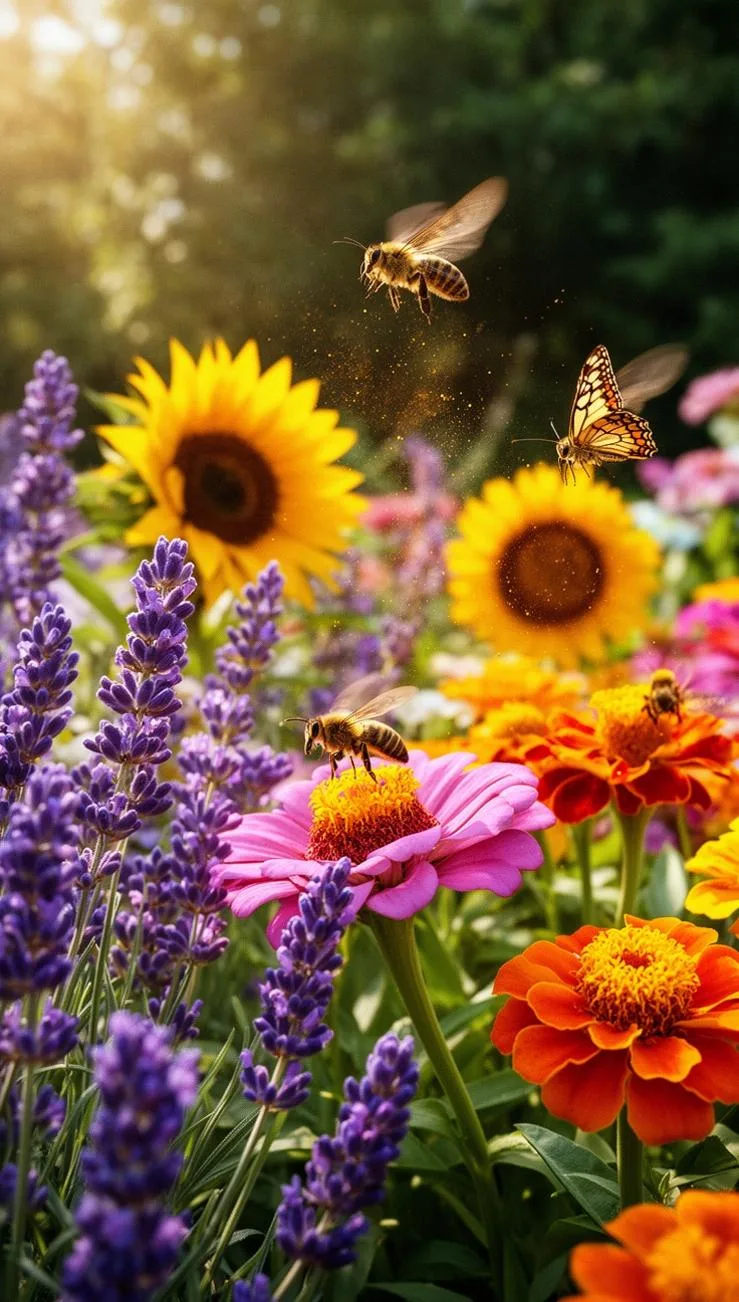
A well-planned garden offers more than just fresh food. It provides a sanctuary for local pollinators like bees and butterflies, contributing to the health of your local ecosystem. Beyond the environmental impact, gardening is a proven stress-reliever. The physical activity of digging and weeding releases endorphins, while the connection to nature helps lower cortisol levels. Plus, home-grown produce is significantly more nutrient-dense than store-bought items that have been sitting on a truck for days.
Alternative Methods: Thinking Outside the Bed
If you don’t have a yard, don’t worry! Container gardening is a brilliant alternative. Almost any vegetable or flower can grow in a large pot on a sunny balcony or patio. Hydroponics is another modern option for those with limited outdoor space, allowing you to grow herbs and greens indoors using water and nutrients instead of soil. Finally, straw bale gardening is an interesting technique where you plant directly into conditioned bales of straw—perfect if your soil is too rocky or clay-heavy to dig.
Conclusion
Embarking on your first growing season is an exciting journey of discovery. By prioritizing garden planning beginners can avoid the frustrations of trial and error and instead enjoy a bountiful, thriving landscape. Remember that gardening is a skill that improves with time; every mistake is simply a lesson for next season. Use these garden planning tips to stay organized, start small, and focus on the health of your soil. With a bit of patience and a clear plan, you will be picking fresh, sun-warmed treats from your own backyard before you know it. Happy planting!
Frequently Asked Questions
1. How much time does a beginner garden require?
In the beginning, you might spend 3-5 hours setting up. Once established, most small gardens only require about 20-30 minutes of maintenance a day for watering, weeding, and checking for pests.
2. Is it cheaper to grow your own food?
It can be, especially if you grow expensive items like organic herbs, berries, and heirloom tomatoes. While there is an initial cost for tools and soil, the return on investment over several seasons is significant.
3. Can I start a garden in the shade?
Yes! While you won’t be able to grow tomatoes or peppers, you can grow “leafy and rooty” plants. Lettuce, kale, spinach, beets, and radishes can thrive with only 3-4 hours of sun.
4. Should I start from seeds or buy “starts” (seedlings)?
For absolute beginners, buying seedlings from a nursery is easier. It gives you a head start and prevents the difficulty of germinating seeds indoors. However, seeds are much cheaper and offer more variety.
5. How do I know when to water?
The “finger test” is the most reliable method. Stick your finger two inches into the soil. If it feels dry, it’s time to water. If it feels damp, wait another day. Surface soil often looks dry even when the roots have plenty of moisture.