From Petal to Plate: The Ultimate Guide to Growing Your Own Floral Feast
Imagine walking out to your backyard and plucking a handful of vibrant blossoms to toss into your dinner salad or press into your morning shortbread cookies. There is something deeply magical about transforming a backyard border into a functional, flavorful pantry. Learning how to cultivate an edible flowers garden is one of the most rewarding ways to bridge the gap between ornamental landscaping and productive vegetable gardening. While most people wait for the heat of midsummer to see their plants bloom, seasoned growers know that the journey begins much earlier with edible spring flowers that provide a refreshing pop of color and taste right as the frost recedes. By integrating these beautiful plants into your landscape, you aren’t just creating a visual masterpiece; you are cultivating a gourmet experience that is as nutritious as it is stunning.
Choosing the Best Varieties for Your Space
Not all flowers are created equal when it comes to flavor. Some offer a peppery bite, while others are sweet, citrusy, or even reminiscent of oysters. Understanding the flavor profiles is the first step in planning your layout.
Sweet and Floral Favorites
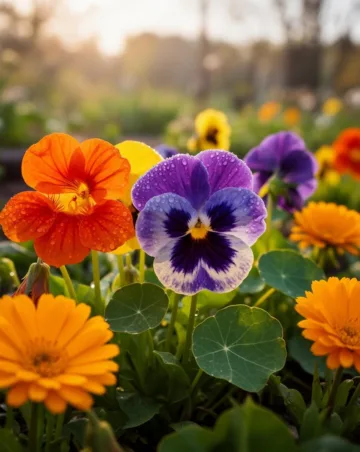
Violets, pansies, and lavender are the heavy hitters of the sweet world. Violets have a delicate, slightly sweet scent and taste, making them perfect for candying or garnishing desserts. Lavender is much stronger and should be used sparingly, often infused into syrups or baked into breads.
Savory and Spicy Options
If you prefer a bit of zest, nasturtiums are the undisputed champions. Both the leaves and the flowers have a peppery kick similar to watercress. Chive blossoms are another excellent choice, providing a mild onion flavor that pairs beautifully with potato salad or omelets.
The Tangy and Citrusy Crowd
Begonias (specifically tuberous begonias) have a surprising citrus tang, while calendula—often called “poor man’s saffron”—gives a golden hue and a slightly bitter, herbal taste to rice dishes and soups.
Design and Planning Your Floral Patch
When designing your layout, think about accessibility and companion planting. Many edible blooms double as excellent deterrents for garden pests.
Companion Planting for Success
Marigolds and nasturtiums are famous for warding off aphids and beetles. Planting these around your tomatoes or kale creates a “trap crop” or a protective barrier, keeping your vegetables healthy while providing you with edible blooms.
Container Gardening for Small Spaces
You don’t need a massive backyard to enjoy this hobby. Most edible blossoms, especially pansies and herbs, thrive in containers. Use high-quality potting mix and ensure your pots have adequate drainage to keep the roots from rotting.
Step-by-Step Instructions for Planting and Harvesting
Ready to get your hands dirty? Follow these steps to ensure your flowers go from seed to plate successfully.
Step 1: Soil Preparation
Start with well-draining soil rich in organic matter. Most edible plants prefer a slightly acidic to neutral pH. Avoid using synthetic fertilizers or pesticides, as you will be consuming these plants. Instead, use aged compost to provide the nutrients your flowers need.
Step 2: Timing Your Planting
Timing is everything. For those early season treats, you want to sow your edible spring flowers such as violas and borage as soon as the soil can be worked. These cool-season beauties fade once the summer heat hits, which is when you should transition to heat-loving varieties like zinnias and sunflowers.
Step 3: Sowing the Seeds
Follow the packet instructions for depth, but a general rule is to plant seeds at a depth twice their width. Keep the soil consistently moist until germination occurs. Once the seedlings have two sets of true leaves, thin them out to prevent overcrowding.
Step 4: Maintaining the Edible Flowers Garden
Regular maintenance is the key to a long harvest. Deadheading—the process of removing spent blooms—encourages the plant to put its energy into producing new flowers rather than seeds. Keep the area weed-free to ensure your edible plants aren’t competing for water and nutrients.
Step 5: Safe Harvesting Practices
Always harvest your flowers in the cool of the morning after the dew has evaporated but before the sun is at its peak. This ensures the petals are turgid and full of flavor. Only pick flowers that are at their peak; avoid wilted or unopened buds unless the recipe specifically calls for them.
Tips from Experienced Gardeners
The pros know that there are little secrets to getting the most out of your blooms.
- Taste as you go: Just like vegetables, the flavor of flowers can change depending on soil quality and hydration. Taste a petal before harvesting a whole batch.
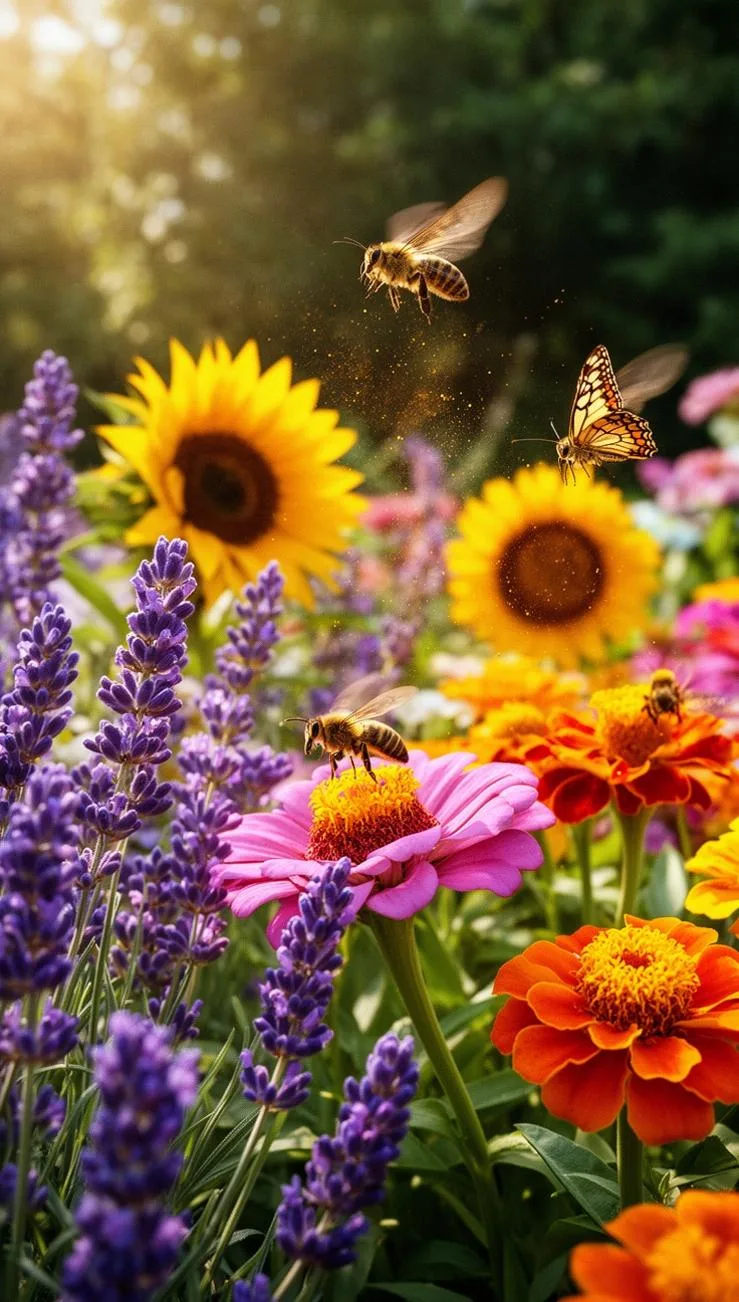
- Pollinator support: By growing these flowers, you are inviting bees and butterflies. Avoid spraying anything—even organic soaps—near the flowers you plan to eat.
- The “Only the Petals” Rule: For most flowers (like roses and calendula), only the petals are tasty. The base of the flower or the green sepals can be bitter.
Common Mistakes to Avoid
Don’t let these common pitfalls ruin your harvest:
- Harvesting from roadsides: Never eat flowers found growing near busy roads or in public parks, as they are likely contaminated with exhaust fumes or chemical sprays.
- Ignoring identification: Some flowers are poisonous! Never eat a flower unless you are 100% certain of its identity. When in doubt, leave it out.
- Over-fertilizing: Too much nitrogen will give you lush green leaves but very few flowers. Stick to a balanced compost.
Tools and Materials Needed
You don’t need much to get started, but a few quality tools make the job easier:
- Sharp Snips: Use micro-tip pruning shears for delicate stems to avoid crushing the plant tissues.
- Harvesting Basket: A shallow basket or trug allows you to lay flowers in a single layer so they don’t get squashed.
- Seed Starting Trays: If you are starting indoors to get a head start on the season.
- Biodegradable Mulch: Straw or shredded leaves help retain moisture and keep low-growing petals clean from soil splash-back.
Seasonal and Climate Considerations
Your geographical location dictates your “floral calendar.” In warmer climates (Zones 8-10), you can grow edible spring flowers during the winter months. In colder climates (Zones 3-5), you’ll need to wait until late April or May.
During the height of summer, focus on heat-tolerant varieties like hibiscus, which makes a wonderful tart tea, or Mexican Mint Marigold, which tastes remarkably like tarragon. As autumn approaches, many spring varieties may have a second flush of growth if the temperatures drop.
Benefits of Growing Edible Blooms
Why should you dedicate space to this? Beyond the beauty, there are health and environmental perks.
- Nutritional Value: Many flowers are high in antioxidants and vitamins. For example, rose hips are loaded with Vitamin C, and nasturtiums contain high levels of lutein.
- Mental Well-being: The “sensory garden” aspect of edible flowers—touching, smelling, and tasting—is a proven stress reducer.
- Biodiversity: You are creating a sanctuary for beneficial insects, which helps your entire neighborhood’s ecosystem.
Alternative Methods: Hydroponics and Indoor Growth
If you lack a yard, don’t despair. Many edible blooms are perfectly suited for indoor “smart gardens” or hydroponic setups.
- Countertop Hydroponics: Systems like the AeroGarden are perfect for growing pansies and chive blossoms year-round.
- Windowsill Herbs: A sunny south-facing window is all you need for a pot of edible jasmine or a small lavender plant.
Conclusion
Transitioning your backyard into an edible flowers garden is a journey of discovery that rewards all five senses. From the first edible spring flowers that signal the end of winter to the late-season marigolds that glow in the autumn sun, there is always something new to taste and admire. By following the right planting steps, choosing safe varieties, and avoiding chemical shortcuts, you can elevate your culinary creations to a professional level. Whether you are decorating a wedding cake or simply spicing up a Tuesday night stir-fry, the addition of home-grown blooms adds a touch of sophistication and joy that no supermarket can match. Happy planting!
Frequently Asked Questions
Are all flowers safe to eat?
No, definitely not. Some common garden flowers like Foxglove, Lily of the Valley, and Wisteria are highly toxic. Always use a reputable field guide or consult a horticultural expert before consuming any plant.
How do I clean edible flowers?
Gently shake them to remove any small insects. If necessary, dip them quickly in a bowl of cool water and pat them dry very carefully with a paper towel. Do not soak them, as they will lose their flavor and texture.
Can I eat flowers from a florist or garden center?
Generally, no. Flowers sold at florists or big-box garden centers are often treated with systemic pesticides and preservatives that are not safe for human consumption. It is always best to grow your own from organic seeds.
How long do harvested flowers last?
Most flowers are best when eaten immediately. However, you can store them for a day or two by placing them on a damp paper towel inside a sealed container in the refrigerator.
What is the best way to use them in cooking?
Start simple! Add them as a garnish to salads, freeze them into ice cubes for fancy drinks, or press them into the frosting of a cake. As you get more comfortable, you can explore stuffing squash blossoms or making floral-infused vinegars.