The Ultimate Guide to Mastering Your Spring Hydration Routine
As the frost retreats and the first green shoots of tulips and daffodils peek through the soil, every gardener feels that familiar itch to get back into the dirt. Spring is a season of rebirth, but it is also a period of transition that can be remarkably tricky for your landscape. While we often associate spring with heavy rain showers, the reality of watering garden spring beds is that nature doesn’t always provide the consistent moisture that tender new growth requires. Establishing a solid foundation now prevents stress during the scorching summer months ahead.
Properly managing your spring watering plants strategy is about more than just turning on the hose; it’s about understanding the specific needs of your soil and the developmental stages of your greenery. Whether you are tending to a vegetable patch, a rose garden, or a lush lawn, the way you hydrate in these early months dictates the health of your plants for the rest of the year. Let’s dive into how you can optimize your spring routine to ensure a vibrant, resilient garden.
Understanding the Spring Soil Dynamics
The Deception of Surface Moisture
One of the most common mistakes beginners make is assuming the ground is wet just because the surface looks dark. Spring winds can dry out the top inch of soil incredibly fast, even if it rained the night before. You must check the root zone—about two to three inches down—to see if the plant actually has access to water.
Soil Temperature and Absorption
Cold soil doesn’t absorb water as quickly as warm soil. In early spring, the ground may still be slightly compacted from winter snow or heavy rains. This can lead to runoff rather than deep penetration. Understanding your soil type (sandy, loamy, or clay) will help you determine how often and how much to water.
Setting the Stage: Timing and Environment
The Morning Advantage
The best time to water in the spring is early morning, ideally between 5:00 AM and 9:00 AM. This allows the plants to soak up the moisture before the sun reaches its peak. It also ensures that any water that splashes onto the leaves has time to dry, which prevents the development of fungal diseases like powdery mildew.
Monitoring Rainfall vs. Manual Watering
Don’t rely solely on the weather forecast. Invest in a simple rain gauge. Most gardens need about an inch of water per week. If the spring rains only provide half an inch, it’s your job to make up the difference. Consistent moisture is the secret to strong root development.
Step-by-Step Instructions for Spring Hydration
Follow these steps to ensure you are watering garden spring areas effectively without wasting resources or harming your plants.
Step 1: The Finger Test
Before grabbing the watering can, stick your finger into the soil near the base of the plant. If it feels dry at the second knuckle, it is time to water. If it feels damp, wait another day.
Step 2: Aim for the Base
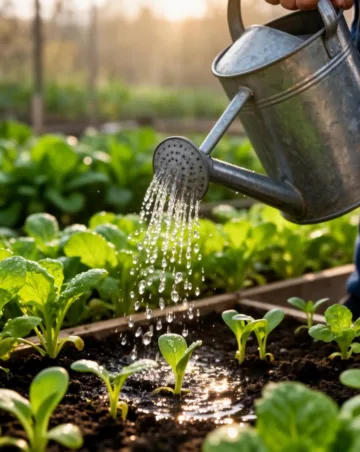
When spring watering plants, always direct the stream of water at the soil line, not the foliage. Wet leaves are an invitation for pests and disease. Using a soaker hose or a watering wand allows you to get deep into the roots where the hydration is needed most.
Step 3: Slow and Steady
Instead of a high-pressure blast, use a gentle flow. This prevents soil erosion and allows the water to seep down deeply. Deep watering encourages roots to grow downward, making them more drought-tolerant later in the season.
Step 4: Mulch Application
Once you have watered, apply a two-inch layer of organic mulch (like shredded bark or compost) around your plants. This acts as a blanket, keeping the moisture in the soil and preventing it from evaporating in the spring breeze.
Tips from Experienced Gardeners
Watch the New Arrivals
Transplants and newly planted seeds have very shallow root systems. While established shrubs might be fine with a deep soak once a week, your new seedlings might need a light misting every single day until they find their footing.
Use Tree Gators for New Trees
If you’ve planted any new trees this spring, consider using a slow-release watering bag. These bags sit at the base of the tree and slowly drip water over several hours, ensuring the deep taproots stay hydrated without constant supervision.
Common Mistakes to Avoid
Overwatering in Early Spring
It is easy to be over-zealous. If the soil stays “soggy” rather than “moist,” the roots can literally suffocate from a lack of oxygen, leading to root rot. If you see yellowing leaves and soft stems, back off the water.
Using Cold Water on Sensitive Seedlings
If you are starting seeds indoors or in a greenhouse, using ice-cold water straight from the outdoor spigot can shock the plants. If possible, let your watering can sit at room temperature for an hour before tending to your most delicate sprouts.
Ignoring the Wind
Spring is often the windiest season. Wind can strip moisture from leaves (transpiration) faster than the roots can replace it. On particularly blustery days, check your containers and hanging baskets more frequently, as they dry out much faster than the ground.
Tools and Materials Needed
- Rain Gauge: To track how much help you’re getting from mother nature.
- Soaker Hoses: Ideal for vegetable rows and perennial beds to deliver water directly to the roots.
- Watering Wand: Provides a soft “rain” effect that won’t damage tender spring blossoms.
- Moisture Meter: A great tool for those who want a digital reading of the soil’s hydration levels.
- Organic Mulch: Wood chips, straw, or leaf mold to lock in that valuable moisture.
Seasonal and Climate Considerations
Arid vs. Humid Climates
In arid regions, spring is the start of the “dry” season, and you may need to increase your watering frequency much earlier. In humid climates, keep a close eye on fungal growth; if the air is already damp, your plants will need less supplemental watering.
The Impact of Late Frosts
Believe it or not, well-watered soil actually stays warmer than dry soil. If a late spring frost is predicted, watering your garden the night before can help the soil radiate heat and protect the roots of your plants from freezing.
Benefits of This Strategic Watering Method
Stronger Root Systems
By watering deeply and less frequently, you “train” the roots to seek moisture deep in the earth. This makes your garden much more self-sufficient during the heatwaves of July and August.
Disease Prevention
By focusing on the soil and watering in the morning, you drastically reduce the risk of mold, mildew, and leaf spot. A healthy plant is much better at warding off pests than one that is stressed by irregular hydration.
Alternative Methods for Spring Hydration
Rain Barrels
Collecting spring showers in a rain barrel is an eco-friendly way to water. Rainwater is usually slightly acidic and free of the chlorine and minerals found in municipal tap water, making it the “gold standard” for plant health.
Drip Irrigation Systems
For larger gardens, a drip system on a timer is the ultimate “set it and forget it” solution. You can program it to run in the early hours of the morning, ensuring your garden is hydrated before you even wake up.
Conclusion
Mastering the art of watering garden spring beds is the first major step toward a successful harvest or a blooming landscape. By paying attention to the unique needs of your soil, timing your sessions for the early morning, and ensuring a deep soak rather than a surface sprinkle, you are setting your plants up for legendary growth. Remember that spring watering plants is a balance of science and intuition—watch your garden closely, and it will tell you exactly what it needs. Happy gardening, and may your spring be filled with lush, hydrated growth!
Frequently Asked Questions
How often should I water my garden in the spring?
Generally, you should aim for about 1 inch of water per week, including rainfall. However, you should check the soil 2-3 inches deep with your finger; if it feels dry, it is time to water.
Can I water my garden at night?
It is not recommended. Watering at night keeps the foliage wet for many hours, which creates the perfect environment for slugs, snails, and fungal diseases to thrive.
What is the best way to water new seeds?
New seeds should be kept consistently moist. Use a spray bottle or a very fine mist setting on your hose to avoid washing the seeds away or burying them too deep in the mud.
Do containers need more water than garden beds?
Yes. Containers have a limited amount of soil and are exposed to air on all sides, causing them to dry out much faster than the ground. In breezy spring weather, they may need watering daily.
Should I water my lawn the same way as my flowers?
Lawns also benefit from deep, infrequent watering. This encourages the grass to grow deep roots, which keeps the lawn green and lush even when the summer heat arrives.