Vertical Growth Secrets: How to Transform Your Backyard with Stunning Structures
Elevating Your Garden: Why Going Vertical is a Game Changer
There is something magical about a garden that grows upward. Whether you are working with a sprawling backyard or a tiny balcony, vertical gardening maximizes your space, improves air circulation for your plants, and adds a stunning visual layer to your landscape. One of the most rewarding weekend projects you can undertake is to build garden trellis systems that provide both support and style. Not only does a diy plant trellis save you money compared to store-bought plastic versions, but it also allows you to customize the height and strength based on exactly what you are growing, from delicate sweet peas to heavy heirloom tomatoes.
Choosing the Right Style for Your Green Space
The Classic A-Frame
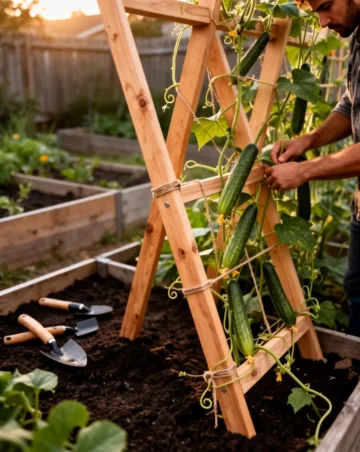
The A-frame is the workhorse of the vegetable patch. It is incredibly stable and perfect for heavy climbers like cucumbers, squash, and melons. By leaning two panels against each other, you create a shaded tunnel underneath where cool-season crops like lettuce can thrive while the sun-loving vines climb toward the light.
The Elegant Obelisk
If you want to add a touch of formal English garden charm, the obelisk is your best bet. Typically tall and tapered, these structures work beautifully in large pots or as centerpieces in flower beds. They are ideal for flowering vines like clematis or Mandevilla.
The Simple Wall Grid
For those with limited ground space, using an existing wall or fence is a smart move. A grid made of wood lath or wire mesh can be mounted an inch or two off the wall to allow air to flow behind the foliage, preventing powdery mildew and keeping your plants healthy.
Essential Materials: Selecting Your Foundation
Natural Woods
Cedar and redwood are the gold standards for outdoor structures because they are naturally rot-resistant. If you use pine, ensure it is untreated if you are growing edible crops, or seal it with a food-safe outdoor oil to extend its life.
Metal and Wire
Cattle panels and hardware cloth are incredibly durable. Many modern gardeners prefer the “industrial chic” look of rusted metal or the clean lines of galvanized steel. Metal is especially useful for permanent structures that need to withstand heavy snow loads or high winds.
Step-by-Step Instructions: Hand-Crafting Your Custom Support
Ready to get your hands dirty? This guide will help you create a versatile, sturdy cedar ladder structure that looks professional but requires minimal tools. When you build garden trellis supports yourself, you ensure the structure is tall enough for vigorous climbers like pole beans. Follow these steps to assemble your very own diy plant trellis:
- Step 1: Prep your lumber. Cut two 8-foot 2×2 cedar boards for the vertical uprights. Then, cut four or five 18-inch cross-sections from a 1×2 cedar board.
- Step 2: Layout the frame. Lay the two long 2x2s on a flat surface, tapering them slightly so they are wider at the bottom (about 24 inches) and narrower at the top (about 12 inches).
- Step 3: Attach the rungs. Starting 12 inches from the bottom, screw your cross-sections onto the uprights using exterior-grade wood screws. Space them about 10 to 12 inches apart as you move toward the top.
- Step 4: Secure the joints. To prevent the wood from splitting, always drill a small pilot hole before driving in your screws.
- Step 5: Installation. Sharpen the bottom ends of the uprights into points using a hand saw. This makes it much easier to drive the structure deep into the soil for stability.
Tips from Experienced Gardeners
Train Your Plants Early
Plants don’t always know where to go. As soon as your seedlings are a few inches tall, gently lead them toward the base of the structure. You can use soft twine or specialized plant clips to loosely tether the stems. Avoid tying them too tight, as the stems need room to thicken as they grow.
Consider Sunlight Patterns
A tall structure casts a long shadow. Position your vertical supports on the north side of your garden bed so they don’t block the sun for shorter plants like herbs or strawberries. Conversely, use the shadow to your advantage to protect heat-sensitive greens during the peak of summer.
Common Mistakes to Avoid
Underestimating Mature Weight
A tomato plant in July looks very different than it does in September. A flimsy bamboo stake might work early on, but once it is loaded with five pounds of fruit, it could snap. Always over-engineer your supports to handle the “maximum load” of a mature harvest.
Forgetting the “Reach”
Different plants climb in different ways. Peas use tiny tendrils that need thin wire or string to grab onto. Pole beans twine their entire stem around a support. Roses have thorns that “hook.” Match your material to the plant’s natural climbing method—peas will struggle on a thick wooden post.
Tools and Materials Needed
To get started on most basic projects, you will want to have the following in your shed:
- Measuring tape and a carpenter’s pencil
- A hand saw or a miter saw
- Power drill with a variety of bits
- Exterior-grade screws (stainless steel or galvanized)
- Wood glue (waterproof)
- Level (to ensure your structure isn’t leaning)
- Protective eyewear and work gloves
Seasonal and Climate Considerations
Wind Resistance
If you live in a windy corridor, a solid-backed trellis acts like a sail and can be ripped out of the ground. Opt for open-weave designs or “cattle panel” arches that allow the wind to whistle through without putting pressure on the structure.
Winter Care
In colder climates, the freeze-thaw cycle can heave supports out of the ground. Every spring, check that your structures are still plumb and firmly anchored. If you use lightweight nets, it is often best to remove and store them for the winter to prevent tearing from ice and snow buildup.
Benefits of Vertical Gardening
Beyond the aesthetics, vertical growth offers massive biological benefits. By lifting fruit off the ground, you significantly reduce the risk of soil-borne diseases and pests like slugs or earwigs. Air circulates more freely around the leaves, which keeps the foliage dry and prevents fungus. Furthermore, harvesting becomes a joy rather than a chore—no more bending over and straining your back to find those hidden cucumbers!
Alternative Methods: Quick and Easy Hacks
The “String and Stake” Method
If you are on a tight budget, you can drive two sturdy posts at either end of a row and run a heavy-duty wire across the top. Hang lengths of compostable twine down to each plant. This is the “Florida Weave” or professional greenhouse method, and it works wonderfully for indeterminate tomatoes.
The Recycled Ladder
Don’t be afraid to get creative. Old wooden ladders, cleaned-up bed frames, or even large tree branches can serve as functional art. Just ensure any painted items are free of lead before placing them near edible crops.
Conclusion: Watch Your Garden Reach New Heights
Building your own garden infrastructure is one of the most satisfying ways to personalize your outdoor space. When you take the time to build garden trellis structures tailored to your specific plants, you are investing in the long-term health and productivity of your garden. Whether you choose a simple wooden ladder or an ornate diy plant trellis made of copper pipe, the result remains the same: a more organized, easier-to-maintain, and breathtakingly beautiful garden. So grab your drill, pick out some sturdy timber, and start building your garden’s new backbone today.
Frequently Asked Questions
What is the best wood for an outdoor trellis?
Cedar and Redwood are the best choices due to their natural oils that resist rot and insects. If using pressure-treated wood, ensure it is rated safe for contact with edible plants.
How deep should I bury the legs of the trellis?
For a structure that is 6 feet tall, aim to bury the legs at least 12 to 18 inches deep. If the soil is very loose, you may want to use a bit of gravel at the bottom of the hole for extra stability.
Can I use PVC pipe to build a trellis?
Yes, PVC is affordable and easy to work with. However, it can become brittle over time when exposed to UV rays, so it may need to be replaced more often than wood or metal. Painting it can help protect it from the sun.
How do I get my plants to start climbing?
Gently lean the young plant toward the support. You can use “soft ties” or even old strips of t-shirt fabric to loosely tie the main stem to the trellis. Most vining plants will take it from there!
Should I take my trellis down in the winter?
Permanent wooden or metal structures can stay up year-round. However, if you use plastic netting or light nylon mesh, it is best to remove it after the harvest to prevent it from becoming brittle in the cold.