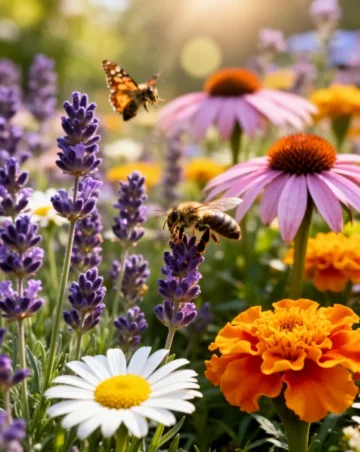
The Ultimate Guide to Creating a Buzzing Backyard Sanctuary
Imagine stepping into your backyard and being greeted by the gentle hum of activity. Vibrant butterflies dance from petal to petal, while iridescent hummingbirds zip through the air like tiny jewels. This isn’t just a scene from a nature documentary—it is exactly what happens when you transform your outdoor space with pollinator garden plants. In recent years, our local ecosystems have faced significant challenges due to habitat loss, making our home gardens more important than ever. By choosing bee friendly plants, you aren’t just creating a beautiful landscape; you are providing a vital lifeline for the creatures that help put food on our tables and keep our world blooming. Whether you have a sprawling suburban lawn or a few containers on a sunny balcony, you have the power to make a measurable difference in your local biodiversity.
Understanding the Pollinator Powerhouse
Why Pollinators Matter
Pollinators are the unsung heroes of the natural world. About 75% of the world’s flowering plants and about 35% of the world’s food crops depend on animal pollinators to reproduce. Without bees, butterflies, moths, and birds, our grocery stores would look very different, lacking many of the fruits, vegetables, and nuts we love. When we garden with balance in mind, we support these essential services.
The Ecosystem Connection
A garden rich in biodiversity does more than just help insects. It creates a food web. Pollinators attract predatory insects that eat pests like aphids, and they provide a food source for local birds. By focusing on a variety of species, you create a self-sustaining miniature ecosystem right outside your back door.
Selecting the Right Varieties for Your Space
Native Plants: The Gold Standard
Native plants are species that have evolved over thousands of years in your specific region. Because they evolved alongside local wildlife, they provide the exact type of nectar and pollen that local bees and butterflies need. They are also generally hardier and require less water and fertilizer than exotic varieties.
Continuous Blooms: A Four-Season Buffet
One of the biggest mistakes gardeners make is having a “flower explosion” in June, only for the garden to go dormant in August. To truly support pollinators, you need a succession of blooms from early spring when the first queen bees emerge, all the way through late autumn when migratory butterflies are fueling up for their long journeys.
Top Plant Recommendations
Perennials for Long-Term Success
Perennials are the backbone of any habitat. Consider these stalwarts:
- Coneflower (Echinacea): A hardy favorite that provides nectar for butterflies and seeds for birds in the winter.
- Milkweed (Asclepias): The essential host plant for Monarch butterflies; without it, they cannot survive.
- Bee Balm (Monarda): As the name suggests, it is a magnet for various bee species and hummingbirds.
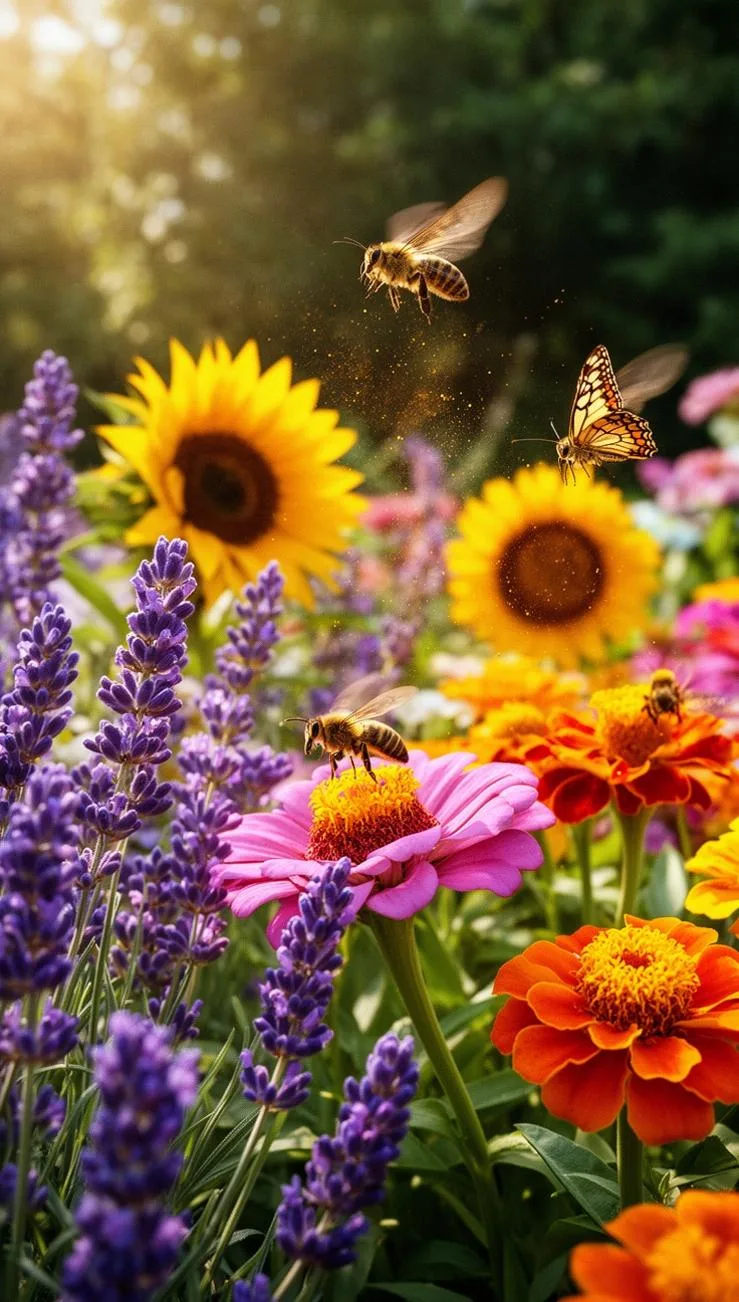
- Lavender: While not native to North America, its high nectar content and long bloom time make it a superstar for honeybees.
Annuals for Instant Impact
Annuals are great for filling in gaps and providing a massive amount of forage in a single season. Zinnias, Cosmos, and Sunflowers are incredibly easy to grow from seed and offer easy-to-reach nectar for a variety of insects.
Step-by-Step Instructions: Building Your Garden
Building a successful habitat requires more than just digging a hole. Follow these steps to ensure your pollinator garden plants thrive and remain accessible. When you prioritize bee friendly plants, you are designing with purpose.
Step 1: Observe Your Site
Most pollinators prefer sunny spots. Spend a day watching your yard to see which areas get at least 6 to 8 hours of direct sunlight. Ensure the site is somewhat protected from heavy winds, which can make it difficult for delicate butterflies to land.
Step 2: Prepare the Soil
Clear away grass or weeds. Instead of using harsh chemicals, try “sheet mulching” with cardboard and compost to kill the grass naturally. This preserves the soil microbiome which is essential for plant health.
Step 3: Group Plants in “Drifts”
Pollinators are more efficient when they can find a large patch of the same flower. Rather than scattering one of each plant, group at least three to five of the same species together. This creates a “target” that is easy for bees to spot from the air.
Step 4: Provide a Water Source
Insects get thirsty too! Place a shallow dish filled with stones and water in the garden. The stones provide a “landing pad” so the bees can drink without the risk of drowning.
Step 5: Mulch and Maintain
Use organic mulch like shredded leaves or wood chips to keep moisture in the soil. Avoid “over-cleaning” in the fall; many pollinators overwinter in hollow plant stems or under leaf litter.
Tips from Experienced Gardeners
Embrace the “Messy” Look
Experienced habitat gardeners know that a perfectly manicured lawn is a desert for wildlife. Allow a little corner of your yard to grow a bit wild. Leave some bare patches of soil for ground-nesting bees (which make up the majority of our native bee population).
Focus on Flower Shape
Different pollinators have different tongue lengths. By planting a mix of flat, daisy-like flowers (good for butterflies) and tubular flowers (perfect for long-tongued bees and hummingbirds), you cater to a wider variety of guests.
Common Mistakes to Avoid
The Pesticide Trap
The most common mistake is using systemic pesticides. These chemicals can stay in the plant’s tissues, meaning the nectar and pollen itself become toxic to the very bees you are trying to help. Switch to integrated pest management (IPM) or organic solutions like neem oil only when absolutely necessary.
Buying “Double” Blooms
Modern “double” flowers look beautiful to humans, but they are often useless to pollinators. In these varieties, the stamens have been bred into extra petals, making it impossible for a bee to reach the nectar.
Tools or Materials Needed
You don’t need a shed full of expensive equipment to get started. Here are the basics:
- Hand Trowel: For planting small perennials and annuals.
- Garden Spade: For larger shrubs or breaking up soil.
- Compost: To enrich the soil naturally.
- Soaker Hose: To deliver water directly to the roots without wasting it to evaporation.
- Identification Guide: A small book or app to help you identify the visitors to your garden!
Seasonal or Climate Considerations
Spring Awakening
Early spring is the most vulnerable time for pollinators. Plants like Redbud trees, Willows, and Crocus are vital because they bloom when very little else is available.
Winter Protection
In colder climates, do not cut back your perennials until the temperature is consistently above 50°F in the spring. Many solitary bees hibernate inside the stalks of plants like Joe Pye Weed or Raspberry canes.
Benefits of This Gardening Method
Beyond the environmental impact, there are personal benefits to this type of gardening:
- Low Maintenance: Once established, native habitat gardens often require less mowing, weeding, and watering than traditional lawns.
- Educational Opportunities: It is a wonderful way to teach children about life cycles and the environment.
- Increased Harvests: If you have a vegetable garden nearby, your yields will likely increase because your “pollinator crew” is already on-site.
Alternative Methods: Container Gardening
If you don’t have a yard, you can still participate! Use large pots or window boxes. Many pollinators are happy to fly up to a balcony if the flowers are enticing enough. Focus on height and scent; herbs like Rosemary, Thyme, and Oregano are excellent choices for pots and are highly attractive to bees when allowed to flower.
Conclusion
Creating a sanctuary for nature is one of the most rewarding projects a gardener can undertake. By intentionally selecting pollinator garden plants, you are playing an active role in conservation and ensuring the health of your local environment for years to come. Remember that every single bloom counts. Whether you start with a small patch of wildflowers or a complete backyard overhaul, your efforts to provide bee friendly plants will result in a more vibrant, resilient, and beautiful world. Start small, observe often, and enjoy the incredible parade of life that will soon call your garden home.
Frequently Asked Questions
1. Do I need a lot of space to help pollinators?
Absolutely not! Even a single window box with the right flowers can provide a much-needed “refueling station” for a passing butterfly or bee in an urban environment.
2. Will a pollinator garden increase the risk of getting stung?
Insects like honeybees and native bees are generally very docile when they are foraging. They are interested in the flowers, not you. Most stings occur when a bee is stepped on or a nest is disturbed.
3. Are dandelions good for pollinators?
Yes, dandelions are an embassy of early spring food. While they shouldn’t be the only thing in your garden, leaving them alone in early spring provides a critical early nectar source when other flowers haven’t opened yet.
4. Can I grow these plants from seeds?
Yes, many varieties like Zinnias, Sunflowers, and certain Milkweeds are very easy to grow from seed. It’s an affordable way to cover a large area.
5. How long does it take for pollinators to find my garden?
Surprisingly fast! Once you have flowers in bloom, you will often see visitors within just a few days. They have an incredible ability to sense nectar-rich environments from a distance.