The Ultimate Guide to Revitalizing Your Landscape with Early Blooms
There is nothing quite like the feeling of the first warm breeze after a long, gray winter. As the soil begins to thaw and the days grow longer, every gardener feels that familiar itch to get their hands back into the dirt. Choosing the right spring flowers for garden spaces is more than just an aesthetic choice; it is a way to celebrate the renewal of nature and invite pollinators back into your yard. Whether you have a sprawling estate or a few pots on a balcony, planning for colorful spring flowers ensures that your outdoor space transitions seamlessly from the slumber of winter into a vibrant, living masterpiece.
Selecting the Best Varieties for Your Space
Before you head to the local nursery, it is helpful to understand the different types of spring bloomers. Not all flowers behave the same way, and some require more foresight than others.
Early Spring Starters: Bulbs and Rhizomes
The earliest splashes of color often come from bulbs planted the previous autumn. Snowdrops often peek through the melting snow, followed closely by Crocus and Siberian Squill. These are low-maintenance options that reliably signal the start of the growing season.
Classic Mid-Spring Favorites
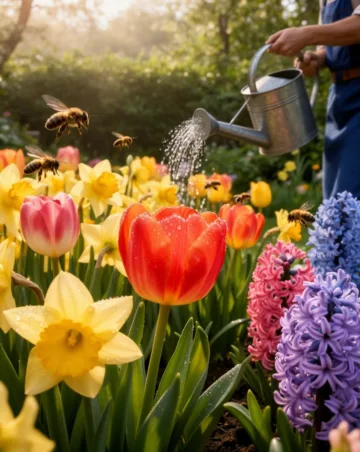
As the season progresses, the heavy hitters make their appearance. Tulips and Daffodils (Narcissus) are the quintessential choices for mid-spring. Hyacinths offer not only striking visual appeal with their tightly packed florets but also a powerful fragrance that can perfume an entire garden path.
Late Spring Transitions
To bridge the gap between spring and summer, look toward Peonies, Alliums, and Irises. These plants provide architectural height and larger blooms that keep the garden looking lush as the temperatures begin to climb.
Designing Your Garden Layout
Creating a visually stunning garden requires a bit of strategy. Think about height, color theory, and blooming schedules to ensure constant visual interest.
Layering for Vertical Interest
Place taller plants like Fritillaria or tall Tulips toward the back of your flower beds. Shorter plants, such as Grape Hyacinth (Muscari) or Pansies, work best as borders or “fillers” at the front. This “stadium seating” approach ensures every flower gets its moment in the sun.
Color Palettes and Contrasts
You can choose a monochromatic look, such as varying shades of purple and blue with Iris and Salvia, or go for high contrast with yellow Daffodils against purple Crocus. Complementary colors make the garden “pop,” while analogous colors (those next to each other on the color wheel) create a sense of harmony and peace.
Step-by-Step Instructions for a Flourishing Display
If you want to achieve a professional-looking landscape, following a systematic approach is key. Success starts with the soil and ends with consistent care. Here is how to plant your spring flowers for garden beds to ensure you get the most colorful spring flowers possible.
Step 1: Assess Your Site
Observe your garden throughout the day. Most spring bloomers require full sun (at least 6 hours) to thrive. Ensure the area has good drainage; “wet feet” is the quickest way to rot delicate bulbs and roots.
Step 2: Prepare the Soil
Clear away winter debris, old leaves, and weeds. Mix in two to three inches of organic compost or well-rotted manure to provide a nutrient boost. Loosening the soil to a depth of 8-10 inches allows roots to penetrate easily.
Step 3: Planting and Spacing
If you are planting nursery-grown “ready-to-bloom” annuals like Primrose or Pansies, dig a hole twice the width of the pot. For bulbs (if planting in early spring for summer or late-season varieties), follow the rule of thumb: plant the bulb three times as deep as its height.
Step 4: Watering and Mulching
Water your new plants immediately after planting to settle the soil around the roots. Apply a light layer of wood chips or straw mulch to help retain moisture and suppress weeds that want to compete for nutrients.
Tips from Experienced Gardeners
Veteran horticulturists often have “secret” tricks that make all the difference. One popular tip is “deadheading.” Removing faded flowers before they go to seed encourages the plant to put its energy back into the roots or toward producing more blooms. Another tip is to plant in “drifts.” Instead of spacing one tulip every six inches in a straight line, plant them in clusters of 5 to 7. This mimics how flowers grow in nature and creates a much more dramatic visual impact.
Common Mistakes to Avoid
Even seasoned gardeners can stumble. Here are the most common pitfalls to watch out for:
- Planting too early: While spring is “growing season,” late frosts can kill tender annuals. Always check your local frost dates before putting semi-hardy plants in the ground.
- Ignoring soil pH: Some plants, like Azaleas, love acidic soil. Others prefer neutral ground. Testing your soil can save you from a season of stunted growth.
- Cutting foliage too early: For bulb plants, never cut the green leaves back until they turn yellow. The plant uses those leaves to photosynthesize and store energy for next year’s flowers.
Tools or Materials Needed
You don’t need a shed full of expensive equipment, but these basics will make the job easier:
- Hand Trowel: Essential for digging small holes and transplanting.
- Garden Fork: Great for breaking up compacted soil.
- Pruning Shears: For deadheading and tidying up stems.
- Quality Compost: To enrich the planting site.
- Kneeling Pad: Trust us, your joints will thank you!
Seasonal or Climate Considerations
Your geographical location (Hardiness Zone) dictates what you can grow. In warmer climates (Zones 8-10), some traditional spring bulbs may need “chilling” in a refrigerator before planting because the winters aren’t cold enough to trigger their growth. In colder climates (Zones 3-5), focus on hardy varieties like Siberian Iris or Bleeding Hearts that can withstand late-season snow flurries without blinking.
Benefits of Spring Flowers
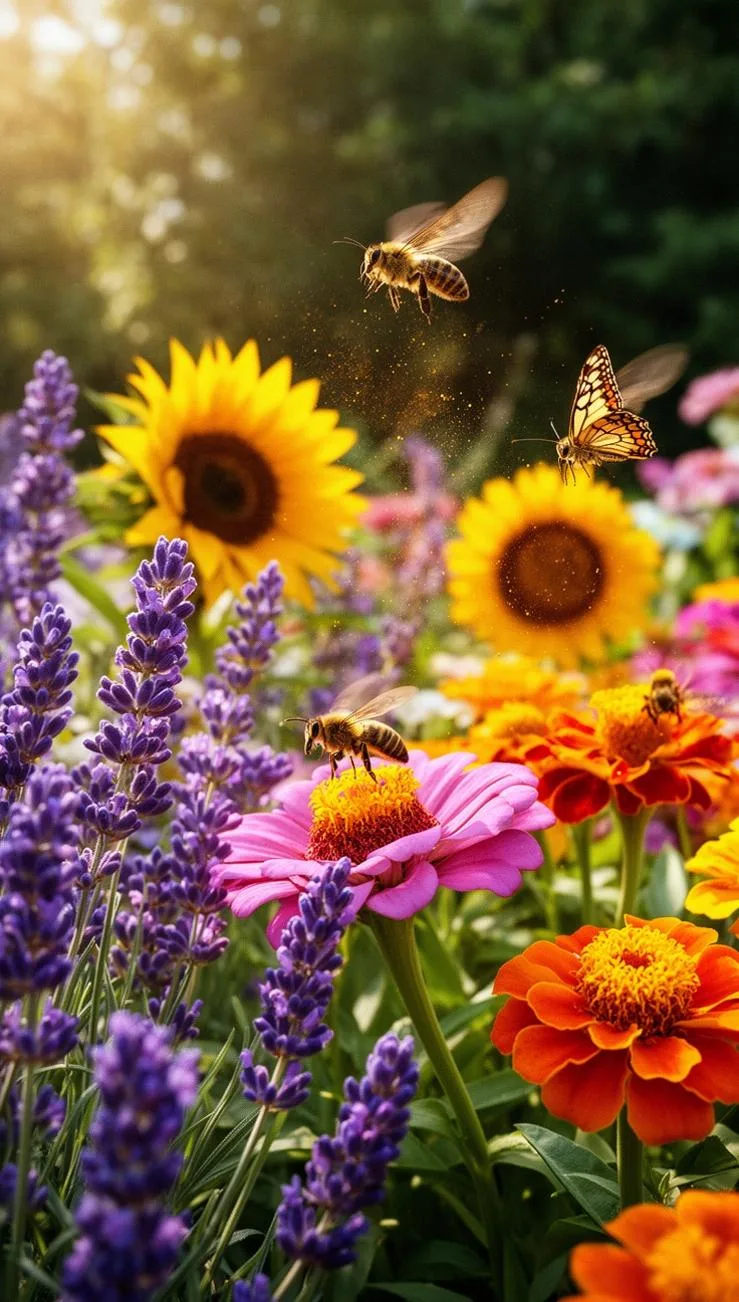
Beyond the obvious aesthetic beauty, planting these early bloomers provides a critical service to the environment. Bees and butterflies emerging from hibernation need immediate sources of nectar and pollen. By providing a diverse range of flowers, you are supporting local biodiversity. Furthermore, gardening is a proven stress-reliever that encourages physical activity and boosts mental well-being after a sedentary winter.
Alternative Methods: Container Gardening
If you don’t have a yard, don’t worry! Container gardening is a fantastic alternative. You can create a “bulb lasagna” in a large pot by layering different bulbs at different depths. Plant the largest, latest-blooming bulbs (like Tulips) at the bottom, cover with soil, and plant smaller, earlier-blooming bulbs (like Crocus) on top. This creates a “long-play” container that provides continuous color for weeks on end.
Conclusion
Transforming your yard into a sanctuary of color is one of the most rewarding projects a homeowner can undertake. By selecting a diverse range of spring flowers for garden beds and containers, you ensure an early start to the growing season that benefits both your spirit and the local ecosystem. Remember to plan for different bloom times, nourish your soil, and don’t be afraid to experiment with colorful spring flowers that you’ve never grown before. With a little patience and the right techniques, your garden will become the envy of the neighborhood by the time May rolls around.
Frequently Asked Questions
When is the best time to plant spring bulbs?
Most spring-flowering bulbs, like Tulips and Daffodils, should be planted in the fall, before the ground freezes. However, you can buy “forced” bulbs or potted spring perennials at garden centers in early spring for immediate planting.
How often should I water my spring flowers?
Spring is often rainy, so you may not need to water daily. Check the soil moisture by sticking your finger an inch into the dirt; if it feels dry, give them a good soak. Containers will dry out faster than garden beds.
Do I need to fertilize my flowers?
If you added compost during planting, you might not need much extra. However, a balanced, slow-release fertilizer applied when the first green shoots appear can help promote larger, more vibrant blooms.
What flowers are deer-resistant?
If you have local wildlife visitors, try planting Daffodils, Alliums, or Fritillaria. Deer generally dislike the taste and smell of these varieties compared to Tulips, which they often view as a delicious snack.
Can I grow spring flowers in the shade?
Yes! While many favorites love the sun, plants like Hellebores (Lenten Rose), Primrose, and Bleeding Hearts thrive in dappled shade and provide beautiful color in those darker corners of the yard.