The Ultimate Guide to Reclaiming Your Backyard: Strategic Spring Pest Management
As the frost thaws and the first green shoots of tulips and peas begin to poke through the soil, every gardener feels a rush of excitement. But we aren’t the only ones waking up. Beneath the mulch and inside the warming soil, a tiny army of hungry insects is also stirring. Mastering spring garden pest control is the difference between a bountiful harvest and a season spent mourning withered leaves. While nature is all about balance, the sudden surge of april garden pests can quickly overwhelm a young seedling if you aren’t prepared with a proactive plan. In this guide, we will walk through how to protect your sanctuary while keeping your garden’s ecosystem healthy and vibrant.
Understanding Your Garden’s Ecosystem
The Good, the Bad, and the Tiny
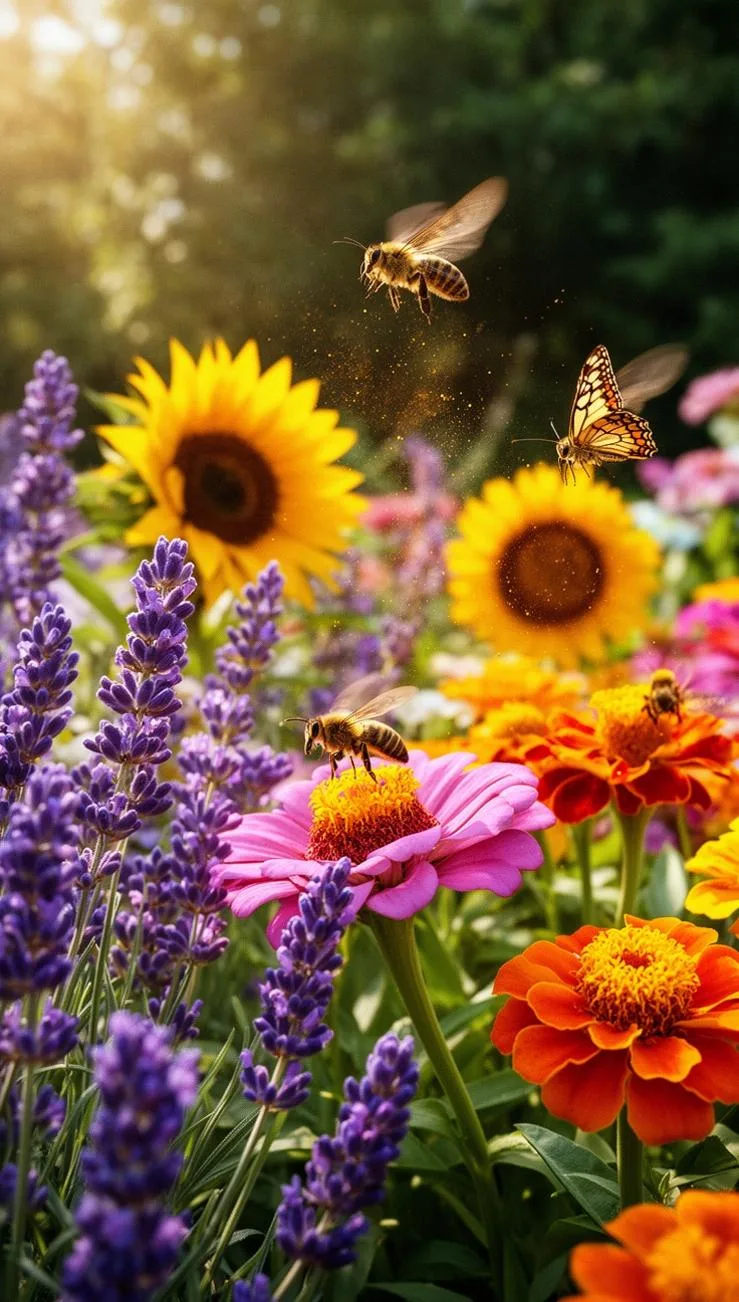
Before grabbing a spray bottle, it is vital to remember that not every insect is an enemy. In fact, a healthy garden depends on “beneficials.” Ladybugs, lacewings, and predatory wasps are your best allies. The goal of spring management isn’t to create a sterile environment, but to manage populations so that your plants can thrive without being stunted by damage.
Why Spring is the Critical Window
In the early season, plants are at their most vulnerable. Tender new growth is high in nitrogen and easy for pests to pierce. By intervening early, you break the life cycle of many common insects, preventing a massive population explosion later in the summer. If you wait until you see a crisis, you are already playing catch-up.
Common Spring Intruders to Watch For
The Sap-Suckers: Aphids and Thrips
Aphids are perhaps the most famous spring visitors. These tiny, pear-shaped insects cluster on the undersides of leaves and on juicy new buds. They suck the life out of the plant and excrete “honeydew,” a sticky substance that can lead to black sooty mold. Look for curling leaves or a sticky residue as your first warning signs.
The Leaf-Munchers: Slugs and Snails
In the damp, cool mornings of early spring, slugs are the primary culprits behind disappearing seedlings. They can level a row of lettuce overnight. Unlike beetles, slugs leave behind a tell-tale silvery slime trail. They love moisture, so they are often found hiding under pots, mulch, or low-hanging leaves during the heat of the day.
The Root Seekers: Cabbage Root Maggots
If your brassicas (broccoli, cabbage, kale) are wilting despite plenty of water, you might have a subterranean problem. These small white larvae feed on the roots of plants, cutting off their ability to take up nutrients. Protecting the soil surface early is key to stopping the flies from laying eggs at the base of your plants.
Step-by-Step Instructions for Early Season Protection
Following a consistent routine will significantly reduce the stress on your plants. Here is a reliable workflow to implement spring garden pest control effectively this season. By staying ahead of the hatch cycles of various april garden pests, you ensure your garden stays a peaceful retreat rather than a buffet.
Step 1: The Spring Clean-Up
Remove any dead plant debris left over from winter. Many pests, like squash bugs and cucumber beetles, overwinter in old stalks and leaf litter. Clearing this away removes their “nursery” and forces them to move elsewhere.
Step 2: Soil Inspection and Aeration
Gently turn the top inch of your soil (being careful not to disturb established roots). This exposes overwintering grubs and pupae to the air and to birds, who will happily do the pest control work for you. Adding a layer of fresh, high-quality compost also boosts plant immunity, making them less attractive to pests.
Step 3: Deploy Physical Barriers
For your most vulnerable seedlings, use floating row covers. These lightweight fabrics allow light and water in but prevent insects from landing on your crops. Additionally, place copper tape around containers to deter slugs, or use “collars” made from yogurt cups to protect stems from cutworms.
Step 4: Introduce Beneficial Insects
If you have a high aphid population early on, consider purchasing ladybugs or lacewing larvae from a local nursery. Release them in the evening after lightly misting your plants with water. This encourages them to stay and feast rather than flying away immediately.
Tips From Experienced Gardeners
The Power of “Interplanting”
Experienced growers rarely plant long rows of a single crop. This is like a neon “Open” sign for pests. Instead, mix your vegetables with strongly scented herbs like basil, mint, and cilantro. The confusing scents make it harder for pests to find their target plants.
Watering Wisely
Always water at the base of the plant in the morning. Wet foliage in the evening is an invitation for slugs and fungal diseases. By keeping the leaves dry and the soil surface slightly dry by nightfall, you make your garden much less hospitable to moisture-loving pests.
Common Mistakes to Avoid
Over-Fertilizing with Nitrogen
It’s tempting to dump high-nitrogen fertilizer on plants to get them big quickly. However, rapid, “lush” growth is incredibly soft and high in sugar, which acts as a magnet for aphids. Use slow-release organic fertilizers to encourage steady, sturdy growth instead.
Reaching for Broad-Spectrum Pesticides
Many beginners spray everything with a general insecticide at the first sign of a bug. This is a mistake because these chemicals kill the “good bugs” too. Without predators like spiders and hoverflies, the pest populations often bounce back even stronger because there is no one left to eat them.
Tools and Materials Needed
To manage your spring garden effectively, keep these items in your gardening shed:
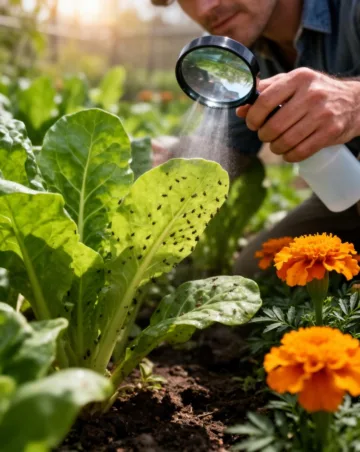
- Hand Lens: A small magnifying glass helps you identify pests before they are visible to the naked eye.
- Yellow Sticky Traps: These are great for monitoring (not necessarily controlling) populations of fungus gnats and winged aphids.
- Neem Oil: An organic, multipurpose spray that disrupts the life cycle of many pests without being highly toxic.
- Diatomaceous Earth (DE): A natural powder made from fossilized algae. It acts like tiny shards of glass to soft-bodied insects like slugs but is safe for pets and humans.
- Fine-Mesh Netting: Essential for keeping cabbage white butterflies off your greens.
Seasonal and Climate Considerations
Dealing with Spring Rains
In particularly wet climates, fungal issues often go hand-in-hand with pest problems. Pests like fungus gnats thrive in soggy soil. If you are experiencing a very rainy spring, focus on improving drainage and increasing air circulation between plants to keep the environment less “bug-friendly.”
The Impact of Late Frosts
A sudden cold snap can stress a plant, and a stressed plant sends out chemical signals that attract pests. If a late frost is predicted, cover your plants with blankets or cloches. Protecting them from temperature stress is a direct form of pest management.
Benefits of Organic Pest Management
Choosing organic and mechanical methods over harsh chemicals has long-term rewards. First, it ensures that your home-grown vegetables are free from chemical residue. Second, it builds a resilient “bio-network” in your backyard. Over time, as you encourage birds, toads, and beneficial insects, you will find that you have to do less work each year because the garden begins to take care of itself.
Alternative Methods: Home Remedies
The Garlic and Chili Spray
If you want a budget-friendly deterrent, blend two bulbs of garlic with two tablespoons of hot pepper flakes and a quart of water. Strain the mixture and add a drop of dish soap. Spraying this on leaves makes them taste terrible to munching insects.
Companion Planting with Marigolds
Marigolds aren’t just pretty; they produce a chemical called alpha-terthienyl, which helps repel root-knot nematodes and discourages several types of beetles. Planting a border of French marigolds around your vegetable patch is a classic and effective strategy.
Conclusion
Successful gardening is as much about observation as it is about planting. By implementing a proactive strategy for spring garden pest control, you give your plants the best possible start during their most fragile stage of life. Remember that seeing a few insects is normal; the goal is to manage the april garden pests so they don’t spoil your hard work. Stay observant, encourage your garden’s natural defenders, and use physical barriers whenever possible. With these steps, you’ll enjoy a lush, healthy garden all the way through the harvest season.
Frequently Asked Questions
How can I tell the difference between “good” and “bad” bugs?
Generally, fast-moving insects (like ground beetles or spiders) are predators and are “good.” Slow-moving, soft-bodied insects found in large clusters are usually the ones causing damage. Always identify an insect before taking action.
Is Neem oil safe for bees?
Neem oil is relatively safe, but it can still affect bees if sprayed directly on them. To protect pollinators, only apply Neem oil in the late evening when bees are no longer active, and avoid spraying the flowers themselves.
Does eggshell really stop slugs?
While often recommended, crushed eggshells are only mildly effective. For a more reliable barrier, use wool pellets or diatomaceous earth, which are much more abrasive to the slug’s soft underbelly.
Why are there so many ants on my plants?
Ants themselves usually don’t hurt the plants, but they “farm” aphids for their sweet nectar. If you see ants crawling up a stem, look closely—they are likely protecting a colony of aphids from predators.
When is the best time of day to check for pests?
Early morning or dusk is best. Many pests, like slugs and earwigs, are nocturnal and hide during the day. A quick walk with a flashlight at night can reveal a lot about what is happening in your garden!