The Ultimate Guide to Crunchy Homegrown Harvests
Welcome to the World of Homegrown Carrots
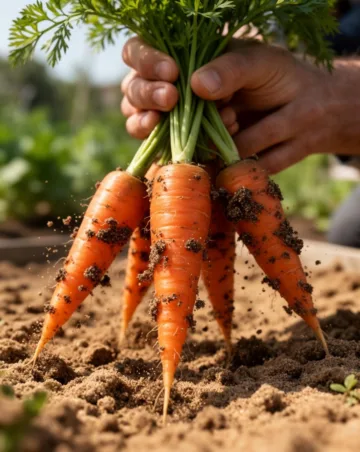
There is a unique magic in pulling a vibrant, orange root from the earth, shaking off the soil, and taking a bite of a vegetable that tastes worlds apart from anything you can find in a plastic grocery bag. If you are new to the hobby, you might have heard that growing carrots can be a bit finicky. While they require a little more patience than radishes or lettuce, the reward is a crisp, sweet, and nutrient-dense harvest that elevates every meal. Whether you have a sprawling backyard or a few containers on a sunny balcony, mastering a few carrot planting tips will ensure your garden is brimming with success this season. Let’s dig into the secrets of cultivating the perfect carrot.
Understanding Carrot Varieties
Choosing the Right Shape for Your Soil
Before you even touch a trowel, you need to pick the right variety. Carrots aren’t just “long and orange.” They come in various shapes tailored to different soil types:
- Nantes: These are cylindrical with blunt tips. They are famous for being sweet and are generally more forgiving in less-than-perfect soil.
- Imperator: These are the classic long, tapered carrots you see in stores. They require very deep, sandy soil to reach their full potential.
- Chantenay: Short and stout, these are the best choice if your soil is heavy or contains some clay.
- Danvers: A reliable, thick carrot that handles heavy soil better than the long, thin varieties.
- Paris Market: These are small, round, radish-shaped carrots—perfect for shallow containers or very rocky ground.
Exploring the Rainbow
Don’t limit yourself to orange! Purple carrots often have a spicy kick and are packed with anthocyanins. Yellow and white varieties tend to be exceptionally sweet and mild. Mixing varieties adds visual flair to your kitchen table.
Preparing Your Garden Bed
The Importance of Soil Texture
Carrots are “root” crops, meaning the edible part grows underground. If the root hits a rock, a hard clump of clay, or a thick piece of wood, it will split, twist, or fork. To get those straight, beautiful roots, you must prioritize soil tilth. Aim for a sandy, loamy texture that is loose to a depth of at least 12 inches.
Avoid Excess Nitrogen
While most vegetables love nitrogen, too much of it will cause carrots to grow lush, green tops while the roots remain spindly or grow “hairy” with tiny side roots. Use well-rotted compost rather than fresh manure, and look for a fertilizer with a higher phosphorus and potassium count to encourage root development.
Step-by-Step Instructions for a Perfect Harvest
Pre-Sowing Preparation
Begin by raking your soil until it is fine and free of debris. Carrots have tiny seeds that can easily get lost in large clods of earth. If your soil is naturally heavy, consider building a raised bed or using large pots filled with a high-quality potting mix blended with extra sand.
Sowing the Seeds
Because carrot seeds are miniscule, many gardeners find growing carrots easier when using “seed tape” or mixing the seeds with a bit of dry sand to help distribute them evenly. Sow the seeds about 1/4 inch deep. Space your rows about 12 inches apart. At this stage, one of the most vital carrot planting tips is to keep the soil surface consistently moist. Carrot seeds can take up to three weeks to germinate; if the soil crusts over and dries out during this window, the tiny sprouts may never make it to the surface.
Thinning for Growth
Once the seedlings reach about two inches tall, you must thin them. It feels counterintuitive to pull out healthy plants, but if they are crowded, they will never develop thick roots. Aim for a final spacing of 2 to 3 inches between each plant. Use scissors to snip the extras at the soil line to avoid disturbing the roots of the neighboring plants.
Tips From Experienced Gardeners
The Board Method
Many veteran gardeners place a wooden board over the freshly sown row for the first 7-10 days. This traps moisture and prevents the soil from crusting. Check daily and remove the board the moment you see the first green loop emerging from the dirt.
Companion Planting
Planting onions or leeks near your carrots can help mask their scent from the carrot rust fly. Additionally, carrots love tomatoes; the tomato plants provide some shade during the heat of the afternoon, while the carrots loosen the soil for the tomato roots.
Common Mistakes to Avoid
Under-Watering During Germination
As mentioned, the “death zone” for carrots is the three-week germination period. If you miss a day of watering in hot weather, you might lose the entire crop. Set a timer or check the soil moisture twice a day until you see green.
Not Thinning Early Enough
If you wait until the carrots are “baby size” to thin them, their roots will already be entangled. Thinning late results in crooked roots and stunted growth. Be brave and thin early!
Using Fresh Manure
Fresh manure is too high in nitrogen and may contain bacteria that can damage the developing roots. Always use compost that has aged for at least six months.
Tools and Materials Needed
To get started, you don’t need a shed full of expensive equipment. The essentials include:
- Fine-Toothed Rake: To create a smooth seedbed.
- Hand Trowel: For small-scale digging or container work.
- Watering Can with a “Rose” Attachment: You need a gentle spray so you don’t wash the tiny seeds away.
- Garden Scissors: For thinning seedlings without pulling.
- Mulch: Straw or shredded leaves to retain moisture once the plants are established.
Seasonal and Climate Considerations
Temperature Requirements
Carrots are cool-weather crops. They thrive when soil temperatures are between 50°F and 75°F. In most climates, this means planting in early spring (3 weeks before the last frost) or in late summer for a fall harvest.
The Magic of Frost
If you live in a region with cold winters, don’t rush to harvest in the fall. A light frost actually signals the carrot to convert its stored starches into sugars as a natural anti-freeze. “Frost-kissed” carrots are significantly sweeter than those harvested in the summer.
Benefits of Growing Your Own Carrots
Nutritional Superiority
Store-bought carrots are often bred for durability during shipping rather than flavor or high nutrient density. Homegrown varieties, especially the colorful heirloom types, provide higher levels of beta-carotene and antioxidants.
Zero Waste Gardening
When you grow your own, you can use the whole plant! Carrot tops are edible and make a fantastic pesto or a nutritious addition to green smoothies. They have a flavor similar to parsley with a hint of carrot sweetness.
Alternative Growing Methods
Container Gardening
If you have heavy clay soil, don’t fight it—grow in pots. Choose a container at least 12 inches deep and use a mix of 60% potting soil and 40% coarse sand. This provides the perfect environment for straight, clean roots.
Vertical Gardening? Not Quite.
While you can’t grow carrots vertically on a trellis, you can use “tiered” garden beds to maximize space. Some gardeners also use “planting tubes” (PVC pipes filled with soil) to grow exceptionally long, show-quality carrots.
Final Thoughts on Harvest and Storage
When your carrots are about the diameter of your thumb (or according to the variety’s specifications), they are ready. Water the bed well before harvesting to loosen the soil, then gently lift them with a garden fork rather than pulling by the greens, which can snap off.
To store your harvest, cut the tops off immediately (the greens draw moisture out of the root). Store them in the “crisper” drawer of your fridge in a sealed bag, or bury them in a box of damp sand in a cool cellar for long-term winter use.
The journey of growing carrots is one of the most rewarding experiences a gardener can have. By following these carrot planting tips, you are well on your way to a harvest that is as beautiful as it is delicious. Happy gardening!
Frequently Asked Questions
How long does it take for carrots to grow?
Most varieties take between 60 to 80 days from seed to harvest. However, some “baby” varieties can be ready in as little as 50 days, while larger storage carrots may need closer to 90 days.
Why are my carrots hairy?
Hairy roots are usually a sign of too much nitrogen in the soil or inconsistent watering. If the plant feels it has to “search” for water or is over-fertilized, it will grow small feeder roots off the main taproot.
Can I grow carrots in the shade?
Carrots prefer full sun (at least 6-8 hours a day), but they are one of the few vegetables that can tolerate partial shade. They may grow more slowly and be slightly smaller, but they will still be tasty.
Why did my carrots flower?
Carrots are biennials, meaning they usually flower in their second year. If they flower in the first year (called “bolting”), it is usually due to stress from a sudden heatwave or a cold snap. Once a carrot bolts, the root becomes woody and inedible.
Do I need to transplant carrot seedlings?
No. Carrots have a very sensitive taproot and do not handle transplanting well. They should always be sown directly into their final growing spot.