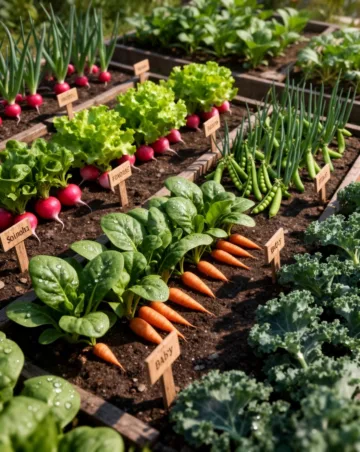
The Speed Gardener’s Guide: How to Get Fresh Produce from Seed to Table in Record Time
Why Waiting is Optional: The Joy of Speed Gardening
There is a unique kind of excitement that comes with planting a tiny seed and seeing green shoots pop up just days later. For many of us, the hardest part of gardening is the waiting game. Whether you are a beginner looking for a quick win or an experienced gardener trying to squeeze in one last crop before the frost, focusing on fast growing vegetables is a game-changer. You don’t need a massive backyard or months of patience to enjoy a homegrown salad. By choosing quick harvest vegetables, you can turn your garden into a high-speed production line of fresh, nutritious food that tastes infinitely better than anything found in a grocery store aisle.
Top Crops for the Impatient Gardener
Radishes: The Undisputed Speed Champions
If you want instant gratification, radishes are your best friend. Some varieties, like ‘Cherry Belle’ or ‘French Breakfast’, can go from seed to plate in as little as 22 to 25 days. They are incredibly hardy and can be tucked into small gaps between slower-growing plants like tomatoes or peppers.
Leafy Greens: The Cut-and-Come-Again Secret
Lettuce, spinach, and arugula are fantastic choices for rapid results. You don’t have to wait for a full head of lettuce to form; you can harvest “baby leaves” just three weeks after planting. Arugula, with its peppery kick, is particularly speedy, often ready for its first thinning in 21 days.
Baby Carrots: Sweetness in a Hurry
While standard large carrots can take 70+ days, ” Nantes” or “Little Finger” varieties are bred to be harvested small and sweet. You can often pull these crunchy treats out of the soil in about 50 days.
Bush Beans: High Yield, Low Wait
Unlike pole beans that spend weeks climbing a trellis, bush beans stay compact and put all their energy into producing pods. You can expect a heavy harvest in about 50 to 55 days.
Step-by-Step Instructions for a Rapid Harvest
To get the most out of your fast growing vegetables, you need a strategy that prioritizes efficiency and plant health. Follow these steps to ensure your quick harvest vegetables reach their full potential in record time:
Step 1: Prep the Soil for Success
Speedy plants need “fast food.” Use a loose, well-draining potting mix or garden soil amended with high-quality compost. If the soil is too hard or compacted, the roots have to work harder, which slows down the growth of the plant.
Step 2: Optimal Sowing
Don’t plant too deep! A general rule of thumb is to bury seeds only as deep as twice their diameter. For tiny seeds like lettuce, a light dusting of soil is plenty. This allows the sprout to reach the surface quickly.
Step 3: Consistent Moisture
Watering is the fuel for growth. Fast-maturing crops have shallow root systems, meaning they dry out easily. Keep the soil consistently moist (like a wrung-out sponge) but not soggy. Mulching with a thin layer of straw can help retain moisture.
Step 4: Thinning for Space
It’s tempting to leave every sprout, but overcrowding leads to stunted growth. Once your seedlings are an inch tall, thin them out according to the packet instructions so each plant has the room it needs to breathe and expand.
Step 5: Harvest Early and Often
The key to many rapid crops is harvesting at the “baby” stage. This not only provides the tenderest flavor but often encourages the plant to produce even more foliage.
Tips from Experienced Gardeners
The Power of Succession Planting
Don’t plant all your seeds at once. Plant a small row of radishes or lettuce every 7 to 10 days. This ensures a steady stream of food rather than a massive glut that you can’t eat all at once.
Use Liquid Seaweed Fertilizer
Since these plants are on a short timeline, a quick-acting liquid organic fertilizer can give them a mid-cycle boost. Unlike granular fertilizers that take time to break down, liquid feeds are absorbed almost immediately by the roots and leaves.
Watch the Temperature
Most rapid crops are “cool-season” plants. If it gets too hot, lettuce will bolt (go to seed) and become bitter, and radishes will become woody. Use shade cloths if a sudden heatwave hits.
Common Mistakes to Avoid
Neglecting the Sun
Even though these plants grow fast, they still need energy. Most rapid-growth vegetables require at least 6 hours of direct sunlight. Planting them in deep shade will result in “leggy,” weak plants that take much longer to mature.
Starting with Poor Quality Seeds
Seeds lose their viability over time. If you use five-year-old seeds, your germination rate will be low, and the plants that do sprout will likely grow slowly. Always buy fresh seeds from a reputable supplier for the best speed.
Skipping the Thinning Process
If your carrots are touching each other in the dirt, they won’t grow round and plump; they will stay thin and spindly. Be brave and pull out the extras!
Tools and Materials Needed
You don’t need a shed full of expensive equipment to get started. Here is a basic checklist:
- Quality Seeds: Look for “early” or “short-season” varieties.
- Hand Trowel: For light digging and mixing in compost.
- Watering Can with a Rose Head: A gentle spray prevents washing away tiny seeds.
- Labels: Because you will forget where you planted the arugula versus the spinach.
- Organic Compost: The ultimate fuel for fast growth.
Seasonal and Climate Considerations
Most fast-maturing vegetables thrive in the spring and fall when temperatures are between 50°F and 75°F (10°C to 24°C). However, you can extend your season:
- Early Spring: Use a cold frame or a “cloche” (a clear plastic cover) to warm the soil and protect seeds from late frosts.
- Late Summer: Plant your second round of seeds in late August for a fall harvest. The cooling air actually makes greens like kale and spinach taste sweeter.
- Winter: If you have a sunny windowsill, many of these vegetables can be grown indoors as microgreens in the middle of winter.
Benefits of Short-Season Gardening
Why choose the fast lane?
- Pest Management: Because the plants are in the ground for such a short time, many pests don’t have the chance to establish a colony and cause significant damage.
- Kid-Friendly: Children have short attention spans. Seeing a radish pop up in three weeks keeps them engaged and excited about gardening.
- Soil Health: Fast crops can act as “catch crops,” filling in gaps and keeping the soil covered, which prevents erosion and nutrient runoff.
Alternative Methods: Hydroponics and Containers
If you don’t have a traditional garden plot, don’t worry.
Container Gardening
Almost all short-season crops do exceptionally well in pots. A simple window box can provide enough salad greens for a person for an entire season. This also allows you to move the plants to follow the sun.
Microgreens
If 25 days is still too long for you, try growing microgreens. These are harvested just as the first true leaves appear, usually within 7 to 10 days of planting. They are packed with concentrated nutrients and can be grown on a kitchen counter in a shallow tray.
Conclusion
Starting a garden doesn’t have to be a long-term commitment that takes months to yield results. By prioritizing fast growing vegetables, you can enjoy the satisfaction of a successful harvest in less time than it takes to finish a short book. These quick harvest vegetables offer a practical way to maximize your garden space, provide fresh nutrition for your kitchen, and keep your thumb green all year round. So, grab a packet of radish seeds, find a sunny spot, and start your journey toward the fastest salad you’ve ever grown!
Frequently Asked Questions
How can I make my vegetables grow even faster?
Pre-sprouting your seeds by soaking them in water for a few hours before planting can jumpstart the germination process, often shaving a day or two off the sprout time.
Do fast-growing plants need more fertilizer?
Not necessarily. Because they are in the ground for a short time, they don’t deplete the soil. A good base of compost at the start is usually enough to see them through to harvest.
Can I grow these in the shade?
Leafy greens can handle partial shade (about 3-4 hours of sun), but root vegetables like radishes and carrots really need full sun to develop their bulbs quickly.
What is the easiest vegetable for a total beginner?
The radish. It is hardy, germinates quickly, and is rarely bothered by pests during its short lifespan.
Does harvesting early hurt the plant?
For “cut-and-come-again” greens like lettuce, harvesting the outer leaves actually stimulates the plant to grow more from the center, extending your overall harvest period.