The Ultimate Guide to Success with Garden Spinach
There is nothing quite like the taste of a crisp, dark green spinach leaf plucked straight from your own backyard. Whether you are looking to boost your morning smoothies or want to toss a fresh salad for dinner, learning how to grow spinach is one of the most rewarding skills a home gardener can develop. This leafy green is a nutritional powerhouse, packed with iron, vitamins, and minerals, and it thrives in the cool temperatures of spring and autumn. If you have been looking for a comprehensive spinach planting guide to help you navigate the nuances of soil pH, seed depth, and variety selection, you have come to the right place. Let’s dig into the world of cool-season gardening and transform your vegetable patch into a lush, green oasis.
Understanding Spinach: The Cool-Season Queen
Why Temperature Matters
Spinach (Spinacia oleracea) is a true lover of the cold. Unlike heat-loving crops like tomatoes or peppers, spinach reaches its peak flavor and texture when the weather is brisk. In fact, most varieties can survive a light frost, which often makes the leaves taste even sweeter. Once temperatures consistently rise above 75°F (24°C), the plant tends to “bolt,” meaning it sends up a flower stalk, turns bitter, and stops producing edible leaves.
Choosing the Right Variety
Not all spinach is created equal. Depending on your texture preference and climate, you might choose from three main types:
- Savoy: These have crinkly, dark green leaves. They are incredibly cold-hardy but can be a bit harder to clean because soil gets trapped in the deep folds.
- Semi-Savoy: A hybrid with slightly crinkled leaves. It’s easier to clean than full savoy and has good disease resistance.
- Smooth-Leaf: These are the flat leaves you often see in grocery store bags. They are the easiest to clean and grow very quickly, making them a favorite for beginners.
Preparing Your Garden Bed
Soil Quality and pH
Spinach is a bit of a “heavy feeder.” It prefers soil that is rich in organic matter and well-draining. Before planting, it is a good idea to mix in several inches of aged compost or well-rotted manure. Aim for a soil pH between 6.5 and 7.0. If your soil is too acidic, the spinach growth will be stunted and the leaves may turn yellow.
Sunlight Requirements
While spinach loves the cold, it still needs sunlight to photosynthesize. Aim for a spot that gets at least 6 hours of full sun per day. However, if you are planting in the late spring as the weather warms up, providing some afternoon shade can help prevent the plants from bolting too early.
Step-by-Step Instructions
If you follow these steps, you will find that it is actually quite simple to grow spinach in almost any garden space, from raised beds to traditional rows. Use this spinach planting guide to ensure your seeds have the best possible start in life.
Step 1: Timing Your Planting
Begin your planting as soon as the soil can be worked in the spring. This is usually 4 to 6 weeks before the last expected frost. For a fall harvest, begin sowing seeds 6 to 8 weeks before the first autumn frost.
Step 2: Sowing the Seeds
Spinach seeds are small and should be planted about 1/2 inch deep. Space the seeds about 2 inches apart in rows. If you are using containers, you can broadcast the seeds across the surface and lightly cover them with soil.
Step 3: Thinning for Strength
Once your seedlings reach about 2 inches in height and have at least two “true leaves,” thin them out so that the plants are 4 to 6 inches apart. Do not throw the thinnings away! These “baby greens” are delicious in salads.
Step 4: Watering and Mulching
Keep the soil consistently moist but not waterlogged. Spinach has a shallow root system, so it can dry out quickly. Applying a layer of straw or shredded leaves around the base of the plants will help retain moisture and keep the roots cool.
Step 5: Harvesting
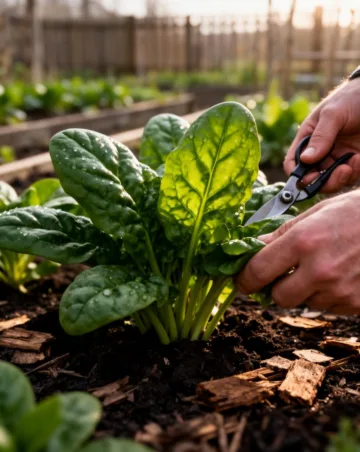
You can begin harvesting as soon as the leaves are large enough to eat. You can either pick individual outer leaves to allow the center of the plant to keep growing (the “cut and come again” method) or harvest the entire plant by cutting it off at the base.
Tips from Experienced Gardeners
Succession Planting
To avoid a “spinach glut” followed by weeks of nothing, try succession planting. Sow a new row of seeds every 10 to 14 days. This ensures a steady supply of fresh greens throughout the entire growing season.
The Secret of Cold Water
Some gardeners swear by soaking their seeds in water for 24 hours before planting. This can help speed up germination, especially in the early spring when the ground is still quite chilly.
Watch the Nitrogen
Because we grow spinach for its leaves, it needs plenty of nitrogen. If your plants look pale or are growing slowly, consider a liquid seaweed fertilizer or a side-dressing of compost tea every two weeks.
Common Mistakes to Avoid
Planting Too Late
Waiting for the “beautiful warm weather” of May or June is the most common mistake. By then, the soil is often too warm for spinach seeds to germinate well, and the long daylight hours trigger the plant to produce seeds rather than leaves.
Crowding the Plants
If you don’t thin your seedlings, they will compete for light and nutrients. This leads to smaller leaves and a higher risk of fungal diseases like downy mildew due to poor airflow.
Ignoring Pests
Slugs and snails love tender spinach leaves just as much as you do. Keep an eye out for holes in the leaves and use organic slug bait or copper tape if you notice an infestation.
Tools and Materials Needed
- Quality Seeds: Look for “bolt-resistant” varieties like ‘Bloomsdale’ or ‘Tyee’.
- Hand Trowel: For digging rows and transplanting.
- Compost: To enrich the soil before planting.
- Garden Hoe: For keeping the area between rows free of weeds.
- Watering Can or Soaker Hose: To provide consistent, gentle moisture.
- Mulch: Straw or pine bark to regulate soil temperature.
Seasonal and Climate Considerations
Growing in the South
In warmer climates, spinach is often grown as a winter crop. You can plant in late October and harvest all the way through February. Using a “low tunnel” or a “cold frame” can protect the leaves from those rare hard freezes.
Growing in the North
In colder regions, the “overwintering” method is popular. You plant spinach in the late fall, let it grow to a small size, and then mulch it heavily over the winter. As soon as the snow melts in the spring, the plants will wake up and provide you with the earliest possible harvest.
Benefits of Growing Spinach
Aside from the obvious health benefits, spinach is a fantastic “filler” crop. Because it grows so quickly (some varieties are ready in just 40 days), you can plant it in the spaces where your slow-growing summer crops, like peppers or eggplants, will eventually go. It is also an excellent choice for container gardening, making it accessible to those with nothing more than a small balcony or patio.
Alternative Methods: Hydroponics and Containers
Container Gardening
If you have bad soil, just use a pot! A container at least 6-8 inches deep is sufficient for spinach. This also allows you to move the pot into the shade during unseasonably warm days, extending your harvest.
Hydroponic Spinach
Spinach thrives in “Deep Water Culture” hydroponic systems. Since you can control the temperature of the water and the nutrient levels perfectly, you can often grow spinach year-round indoors, completely bypassing the limitations of the outdoor seasons.
Conclusion
Growing your own vegetables is a journey of discovery, and learning to grow spinach is a perfect starting point for any budding horticulturist. By understanding the plant’s preference for cool weather, rich soil, and consistent moisture, you can enjoy a bounty of greens that are far superior to anything found in a plastic bag at the store. Remember that the key to a successful harvest is timing; use a spinach planting guide to help you plan your spring and fall sessions effectively. Don’t be afraid to experiment with different varieties and planting dates until you find the “sweet spot” for your specific microclimate. Happy gardening!
Frequently Asked Questions
1. Can I grow spinach in the summer?
It is difficult to grow traditional spinach in the peak of summer. However, you can try “New Zealand Spinach” or “Malabar Spinach.” These are not true spinach plants, but they have a similar flavor and thrive in the heat.
2. Why are the leaves on my spinach turning yellow?
Yellow leaves are usually a sign of a nitrogen deficiency or a soil pH issue. Check your soil pH and consider adding a nitrogen-rich organic fertilizer to boost growth.
3. How do I stop slugs from eating my spinach?
Slugs can be managed by removing hiding spots like heavy debris, using crushed eggshells around the plants, or setting up a beer trap. Diatomaceous earth is also an effective organic barrier.
4. Can I grow spinach from store-bought leaves?
No, spinach cannot be grown from leaf cuttings. You must start from seeds or buy young transplants from a nursery. Avoid buying “leggy” transplants, as they often struggle to establish.
5. How long does spinach seed last?
Spinach seeds have a relatively short shelf life compared to other vegetables. For the best germination rates, use seeds that were packed for the current growing season, though they may last 1-2 years if stored in a cool, dry place.