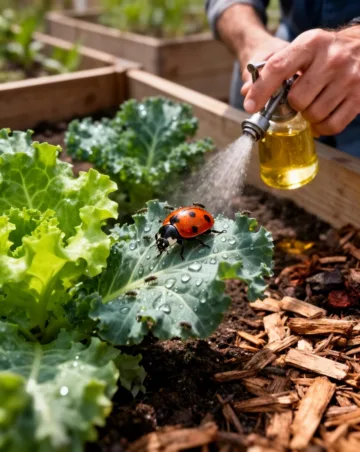
The Ultimate Guide to Chemical-Free Gardening: Shielding Your Spring Sprouts Naturally
As the frost thaws and the first green shoots of tulips and peas begin to poke through the soil, every gardener feels that familiar rush of excitement. Spring is a season of rebirth, but unfortunately, it is also the season when garden pests wake up with an insatiable appetite. Seeing your delicate seedlings nibbled overnight can be heartbreaking, yet reaching for harsh chemical sprays often does more harm than good by killing off the “good bugs” along with the bad. Mastering organic pest control spring strategies is the secret to a resilient backyard ecosystem. By choosing a natural pest control garden approach, you aren’t just killing bugs; you are building a balanced environment where nature does most of the heavy lifting for you. In this guide, we will explore how to protect your garden while keeping it safe for pollinators, pets, and your family.
Understanding the Spring Pest Surge
Why Pests Love the Early Season
In early spring, plants are at their most vulnerable. New growth is soft, succulent, and high in nitrogen—essentially a five-star buffet for aphids, slugs, and snails. Furthermore, many pests overwinter in the soil or nearby debris, waiting for the exact moment the temperature rises to begin their life cycle. Because the predatory insects (like ladybugs and lacewings) often emerge a bit later than the pests, there is a “gap” where your plants are unprotected.
The Philosophy of a Balanced Ecosystem
Organic gardening isn’t about total eradication; it’s about management. A healthy garden will always have a few aphids or a stray caterpillar. The goal is to keep their populations low enough that they don’t cause significant damage, allowing bird and insect predators to find enough food to stay in your yard and help you maintain the balance.
Prevention: Your First Line of Defense
Companion Planting for Protection
One of the most effective ways to deter pests is through “masking” scents. Planting pungent herbs like chives, garlic, and onions around your roses or lettuce can confuse pests that rely on smell to find their host plants. Marigolds are famous for detering nematodes in the soil, while nasturtiums can act as a “trap crop,” drawing aphids away from your prized vegetables.
Soil Health and Plant Vigor
Think of your plants like people: the healthier they are, the better they can fight off “illness.” Plants grown in nutrient-rich, well-composted soil develop stronger cell walls and produce chemical defenses that make them less tasty to insects. Over-fertilizing with synthetic nitrogen, however, creates “leggy,” weak growth that actually attracts aphids.
Step-by-Step Instructions for Spring Pest Management
Transitioning to a chemical-free lifestyle is easier than you think. Follow these steps to implement organic pest control spring techniques that will keep your beds thriving. By establishing a natural pest control garden early in the year, you set the foundation for a productive summer harvest.
Step 1: The Daily Inspection (The “Two-Minute Trawl”)
Walk through your garden every morning with your coffee. Look under the leaves of your kale and broccoli. If you see small clusters of orange eggs or a few green aphids, simply squish them with your fingers or blast them off with a sharp stream of water from the hose. Early intervention prevents a small problem from becoming an infestation.
Step 2: Install Physical Barriers
For young seedlings, physical protection is the most reliable method. Use floating row covers—a lightweight, breathable fabric—to draped over your crops. This prevents cabbage moths from laying eggs on your brassicas and keeps leaf miners away from your spinach. Just remember to uncover flowering plants once they need pollination.
Step 3: Brew a Homemade Garlic-Chili Spray
If you have persistent chewers, mix two bulbs of garlic and two hot peppers with a quart of water in a blender. Strain the mixture, add a teaspoon of biodegradable dish soap, and spray it on your plants. This doesn’t kill the bugs on contact but makes the foliage taste terrible, encouraging them to move elsewhere.
Step 4: Deploy Beneficial Nematodes
In early spring, when the soil temperature reaches about 45-50°F, you can apply beneficial nematodes to your garden beds. These microscopic organisms live in the soil and hunt the larvae of lawn grubs, fungus gnats, and cucumber beetles before they can emerge as adults.
Tips From Experienced Gardeners
The “Beer Trap” Trick
Slugs and snails are the bane of the spring garden. Many veteran gardeners swear by burying a shallow tuna can at soil level and filling it with cheap beer. The yeast attracts the slugs, they crawl in, and they drown. Empty and refill every few days for best results.
Attract the “Good Guys” Early
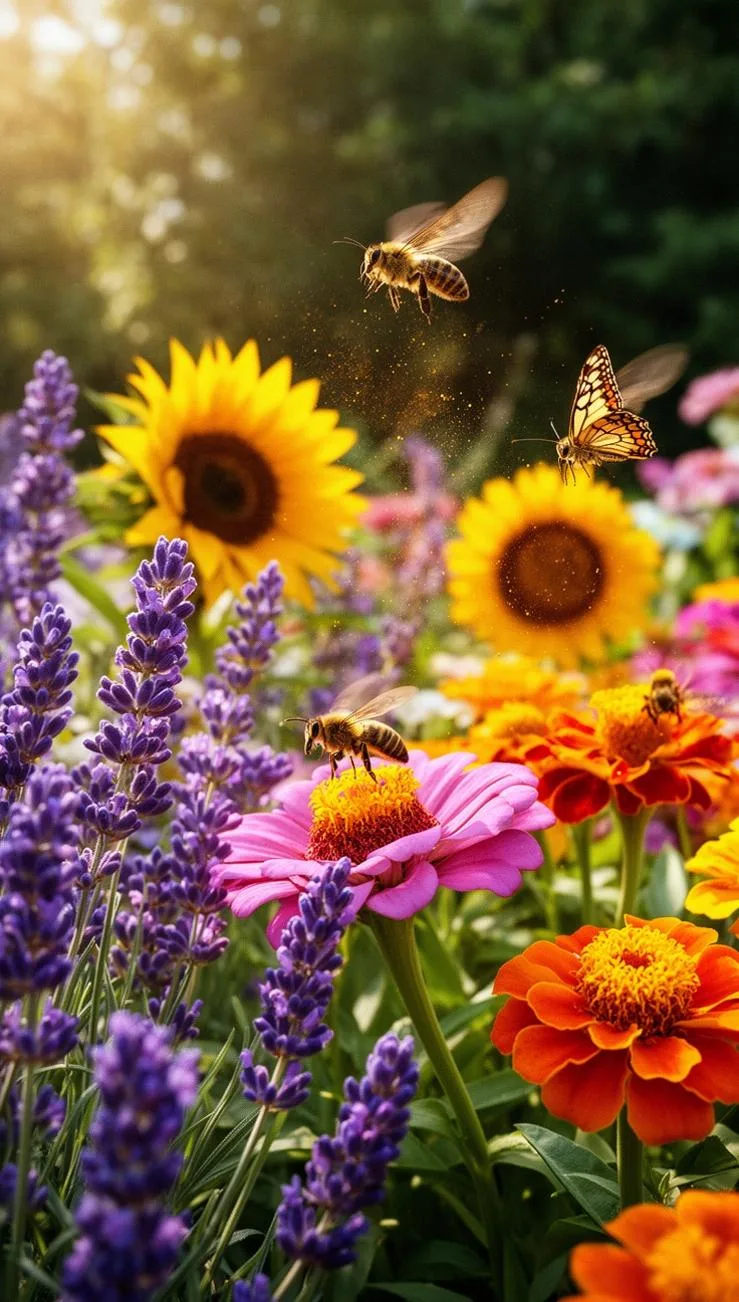
Don’t be too tidy! Leaving a little bit of leaf mulch or a “wild” corner in your yard provides a home for ground beetles and spiders, which are voracious predators of garden pests. Plant early-blooming flowers like sweet alyssum or pansies to provide nectar for hovering flies and parasitic wasps.
Common Mistakes to Avoid
Overreacting to the First Bug
A few holes in a leaf are not a crisis. If you spray the first aphid you see with a broad-spectrum organic pesticide (like Neem oil or Pyrethrin), you might also kill the ladybug larvae that were just about to eat them. Be patient and give nature a chance to respond.
Misusing Organic Pesticides
Just because a product is “organic” doesn’t mean it’s harmless. Neem oil, for example, can coat and suffocate bees if applied while they are active. Always apply any sprays in the late evening when pollinators have returned to their hives, and never spray blooming flowers.
Tools and Materials Needed
To succeed with organic methods, keep these essentials in your garden shed:
- Yellow Sticky Traps: Excellent for monitoring the arrival of winged pests like whiteflies.
- Copper Tape: Wrap this around the base of pots to create a mild electric shock that deters slugs.
- Hose Trigger Nozzle: A high-pressure setting is often all you need to dislodge aphids and spider mites.
- Diatomaceous Earth (Food Grade): A powder made of fossilized algae that cuts into the exoskeletons of crawling insects. Use it sparingly on the soil surface.
- Floating Row Covers: Essential for keeping cabbage loopers and carrot rust flies at bay.
Seasonal and Climate Considerations
The Wet Spring Challenge
In regions with heavy spring rains, fungal diseases and slugs are your primary concerns. Ensure your plants have adequate spacing for airflow to prevent powdery mildew. If the ground is constantly saturated, avoid using heavy mulches like straw, which can provide a damp hiding spot for snails.
The Hot Spring Surprise
If your spring turns hot quickly, pests like spider mites may appear earlier than usual. These pests thrive in dry, dusty conditions. Keeping your plants well-hydrated and occasionally misting the undersides of leaves can prevent their populations from exploding.
Benefits of Organic Pest Management
Safety for Your Family
The most obvious benefit is the peace of mind that comes from knowing your children and pets can run through the garden—and you can eat your veggies straight off the vine—without worrying about chemical residues.
Supporting Local Biodiversity
By using organic methods, you contribute to the health of your local ecosystem. You’ll notice more birds, more butterflies, and a more vibrant, “living” garden. Over time, your garden will become more self-regulating, requiring less work from you each year.
Alternative Methods: Beyond Sprays and Barriers
Hand-Picking
It sounds tedious, but for larger pests like tomato hornworms or Japanese beetles, nothing beats a pair of gloves and a bucket of soapy water. A quick nightly stroll with a flashlight can catch the culprits that hide during the day.
Biorational Controls
Products like Bacillus thuringiensis (Bt) are naturally occurring bacteria that target specific pests. For example, Bt kurstaki only affects caterpillars that eat the treated leaves, leaving bees, butterflies, and humans completely unharmed. It is a highly “surgical” way to handle an outbreak.
Conclusion
Managing your garden without the use of synthetic chemicals is a rewarding journey that connects you more deeply with the rhythms of nature. By focusing on organic pest control spring techniques, you are choosing a path that prioritizes soil health, pollinator safety, and long-term sustainability. While it may take a bit more observation than simply reaching for a bottle of toxic spray, the results—a thriving, buzzing, and productive natural pest control garden—are well worth the effort. Remember to start with prevention, observe your plants daily, and always welcome the predatory insects that call your garden home. Happy planting!
Frequently Asked Questions
Does organic pest control actually work?
Yes! While it may not provide the “instant kill” of chemical pesticides, it creates a more stable environment where pests are naturally suppressed. In the long run, organic gardens often have fewer pest outbreaks because the natural predators aren’t being killed off.
Is Neem oil safe for all plants?
Most plants tolerate Neem oil well, but some thin-leafed plants or ferns can be sensitive. It’s always best to test a small leaf first and wait 24 hours. Never apply Neem oil in direct sunlight, as it can cause the leaves to “sunburn.”
How do I get rid of aphids without killing ladybugs?
The best way is to use a strong blast of water to knock the aphids off the plant. This physically damages the aphids but doesn’t harm the ladybugs. You can also plant dill or fennel, which attracts predatory wasps that eat aphids.
Will coffee grounds keep slugs away?
Coffee grounds can act as a mild deterrent due to their abrasive texture and caffeine content, but they aren’t a foolproof solution. They are best used as a supplemental tool alongside beer traps or copper tape.
When is the best time to apply organic sprays?
Always spray in the early morning or late evening. This avoids the heat of the day (which can cause leaf burn) and ensures you aren’t spraying while bees and other beneficial pollinators are actively foraging on the flowers.