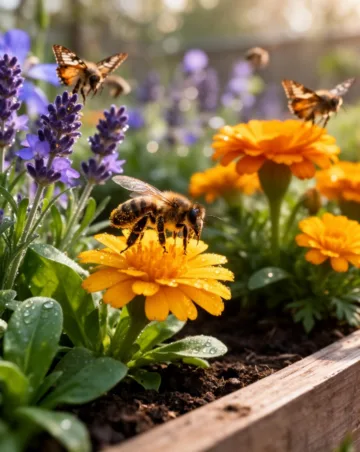
The Wake-Up Call: Why Your April Garden is the Ultimate Buffet for Beneficial Bugs
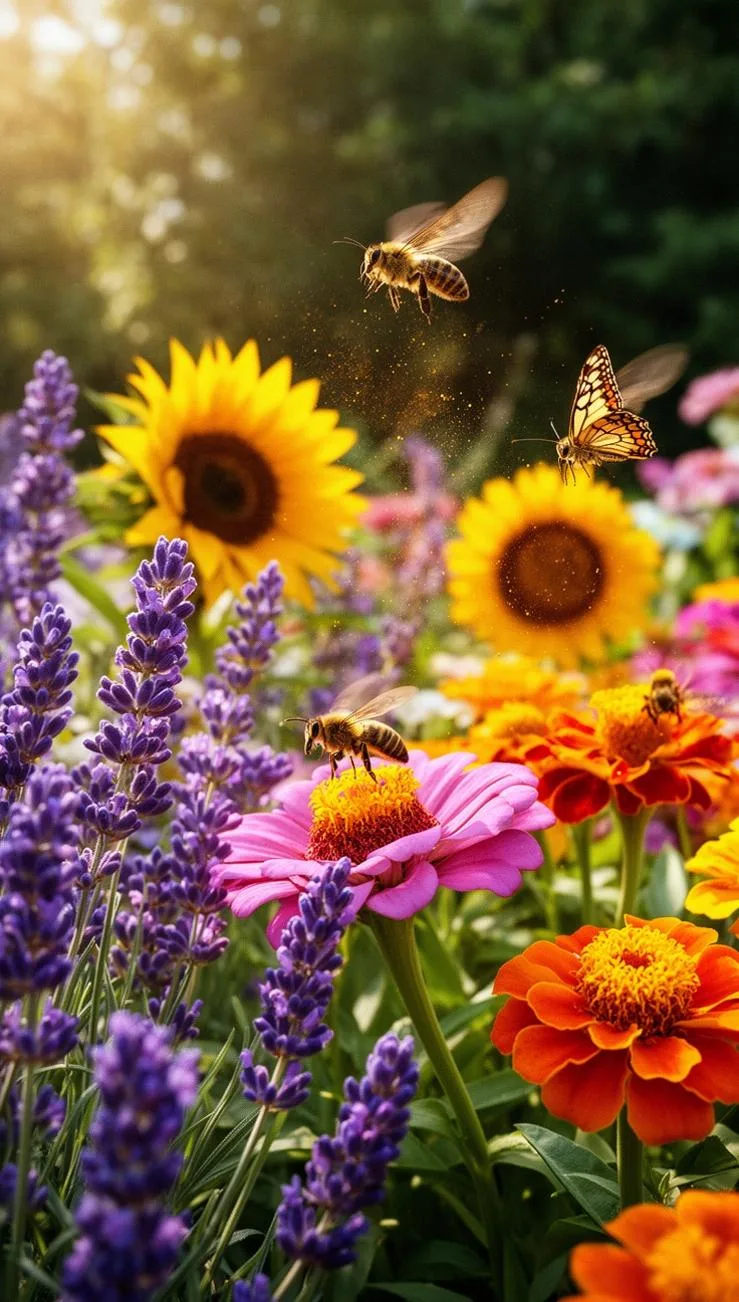
As the frost retreats and the first whispers of spring turn into a steady chorus of birdsong, your garden is waking up from its winter slumber. For gardeners, April is the bridge between the dormant cold and the explosion of summer growth. But for our winged neighbors—bees, butterflies, and hoverflies—April is a critical survival window. After a long winter, emerging queens and early hatchlings are desperately searching for high-quality nectar and pollen to kickstart their life cycles.
Choosing the right pollinator plants april is the best way to ensure your backyard becomes a sanctuary. By intentionally selecting early-blooming varieties, you aren’t just adding color to your landscape; you are providing essential plants for bees that might otherwise struggle to find food in a manicured suburban environment. In this guide, we will dive into the best species for the mid-spring season and how to cultivate a garden that hums with life.
The Stars of the Spring Show: Top April Pollinator Plants
Native Wildflowers and Perennials
Native plants are the gold standard for any pollinator garden. Because they co-evolved with local insect populations, their bloom times and nutritional profiles are perfectly synced with the needs of native bees. Bleeding Hearts (Dicentra spectabilis) are an April favorite, offering elegant, drooping flowers that long-tongued bees adore. Similarly, Columbine (Aquilegia) begins its show in late April, providing a unique shape that attracts both bumblebees and early-season hummingbirds.
Fragrant Spring Bulbs
While tulips and daffodils are the most famous spring bulbs, they aren’t always the best for pollinators (some highly bred tulips have little to no pollen). Instead, look toward Grape Hyacinth (Muscari) and Siberian Squill. These tiny blue wonders are powerhouses for early foragers. Crocus might be finishing their bloom in early April, but they are often followed closely by Alliums, which act like landing pads for many different types of beneficial insects.
Flowering Shrubs and Trees
We often forget that some of the best early-season food sources aren’t at our feet—they are over our heads. Serviceberry (Amelanchier) and Redbud (Cercis canadensis) are spectacular April bloomers. Their branches become absolutely covered in tiny blossoms, providing a massive volume of forage in a very small footprint. If you have the space, a flowering fruit tree is a win-win for both you and the environment.
Designing Your Pollinator Haven: A Step-by-Step Guide
Creating a functional ecosystem requires more than just plopping a few flowers in the dirt. You want to create a “pollinator corridor” that provides safety, water, and food. Follow these steps to maximize your impact when planting pollinator plants april this season.
Step 1: Assess Your Sunlight and Soil
Most spring-flowering plants prefer full sun to partial shade. Before buying your plants for bees, observe your garden for a full day. Note which areas get at least six hours of direct light. Check your soil drainage too—many spring bulbs will rot if they sit in waterlogged soil from spring rains.
Step 2: Layer Your Heights
Insects have different foraging habits. Some prefer low-creeping groundcovers like Creeping Phlox, while others like to hover around eye-level shrubs. Aim for a “staircase” effect in your garden beds: groundcovers in the front, perennials in the middle, and shrubs or small trees in the back.
Step 3: Plant in “Drifts”
A single flower is hard for a bee to spot from a distance. Instead, plant in clusters or “drifts” of at least three to five of the same plant. This creates a bold visual signal and allows pollinators to forage efficiently without wasting energy flying from one isolated flower to another.
Step 4: Provide a Water Source
Pollinators get thirsty! Place a shallow saucer filled with pebbles and water in a sunny spot. The pebbles give bees a safe place to land so they can drink without the risk of drowning. Clean and refill this every few days to prevent mosquitoes.
Insights from the Dirt: Tips from Experienced Gardeners
Seasoned horticulturists often emphasize “messy” gardening in the spring. While it is tempting to clear away every dead leaf and hollow stem as soon as the sun comes out, many solitary bees nest in those very materials. Wait until temperatures are consistently above 50°F (10°C) before doing a deep spring cleanup. This ensures that overwintering insects have had a chance to wake up and move out.
Another “pro tip” is to prioritize blue, purple, and yellow flowers. Bees see these colors most clearly. While red flowers are beautiful and great for hummingbirds, bees often see red as black or gray, making it harder for them to locate the nectar source quickly.
Common Mistakes to Avoid in the Spring Garden
The biggest mistake many beginners make is using systemic pesticides. Even if you are trying to kill “bad” bugs like aphids, these chemicals can linger in the nectar and pollen of your plants, harming the very bees you are trying to help. Always opt for organic pest management or integrated pest management (IPM) strategies.
Another pitfall is planting “double-flowered” varieties. While these blooms (like double peonies or highly ruffled roses) look stunning and full, the extra petals often block access to the nectar or replace the pollen-producing parts of the flower entirely. Stick to “single” or “open” flower forms where the center of the plant is clearly visible.
Practical Checklist: Tools and Materials Needed
To get your April garden off to a flying start, you will need a few basic supplies:
- Hand Trowel: For planting perennials and smaller bulbs.
- High-Quality Compost: To top-dress your beds and provide nutrients without synthetic fertilizers.
- Mulch (Bark or Straw): To retain moisture, but leave some patches of bare soil for ground-nesting bees.
- Pruning Shears: To remove dead wood and encourage new growth on shrubs.
- Garden Journal: To track which plants bloom first and which insects visit them.
Seasonal and Climate Considerations
April weather is notoriously unpredictable. Depending on your hardiness zone, you might experience a heatwave one week and a snap frost the next. If you have already planted tender perennials, keep some frost cloth or old blankets handy to cover them during unexpected cold nights.
In wetter climates, be mindful of fungal issues. Space your plants properly to allow for air circulation, which helps keep leaves dry and reduces the risk of powdery mildew. In drier regions, ensure you are supplemental watering your new plantings, as their root systems aren’t yet deep enough to withstand dry spells.
Why Focus on Pollinators? The Benefits Revealed
Cultivating a pollinator-friendly garden offers benefits far beyond just “saving the bees.” When you invite these insects in, you are also supporting the birds that eat them and the predatory insects (like ladybugs and lacewings) that keep garden pests in check. Furthermore, if you grow vegetables or fruit, having a high population of pollinators in April ensures that your early crops, like strawberries or apples, are properly fertilized, leading to a much larger harvest for your kitchen table.
Going Local: Alternative Methods for Urban Areas
If you don’t have a large backyard, don’t worry! You can still participate in the spring pollinator movement. Container gardening is a highly effective alternative. Large pots filled with Lavender, Rosemary, and Pansies can provide a vital “gas station” for bees in urban environments. Even a window box filled with Thyme and Chives (let them go to flower!) can make a difference for a hungry bee in a concrete jungle.
A Greener Future Starts with One Flower
April is a season of hope and renewal in the garden. By taking the time to plant pollinator plants april, you are playing an active role in the health of your local ecosystem. Whether you are planting a massive Redbud tree or just a few pots of Grape Hyacinths on your balcony, the effort is worth it. Providing plants for bees and other insects ensures that our gardens remain vibrant, productive, and full of life for years to come. So, grab your trowel, head to the nursery, and start planting for the future.
Frequently Asked Questions
What is the best flower to plant in April for beginners?
Pansies and Violas are excellent for beginners. They are very hardy, can handle a light frost, and provide early nectar. They are also widely available at almost any garden center during the spring.
Do bees come out as early as April?
Yes! Bumblebee queens are often the first to emerge, sometimes as early as March or April depending on the temperature. Small solitary bees and honey bees will also forage on any day that is sunny and above 50°F.
Can I grow pollinator plants in the shade?
Absolutely. Many woodland natives like Bleeding Hearts, Virginia Bluebells, and Wild Ginger thrive in the shade and are excellent for early-season pollinators.
Should I fertilize my pollinator plants?
It is best to use organic compost rather than heavy synthetic fertilizers. Fast, synthetic growth can sometimes lead to plants that have less concentrated nectar. Slow-release organic matter creates healthier, more resilient plants.
What if I only have a small balcony?
Bees are excellent at finding flowers, even several stories up! Use deep pots and focus on herbs like Sage, Oregano, and Chives. If you let these herbs flower, they become some of the most popular spots in the garden for small bees.