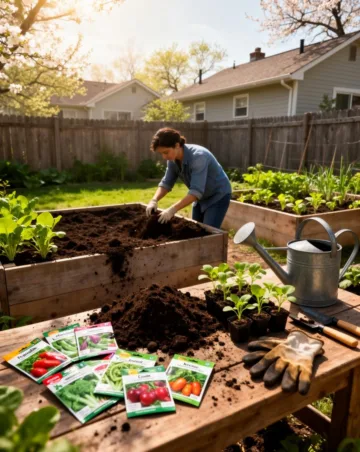
The Ultimate Guide to Growing Your Own Food: From Seed to Harvest
There is something undeniably magical about stepping into your backyard and plucking a sun-warmed tomato right off the vine. If you have been dreaming of crisp lettuces, spicy radishes, and fragrant herbs, there has never been a better time to start vegetable garden projects at home. Beyond the incredible flavor of homegrown produce, gardening offers a sense of accomplishment, a way to connect with nature, and a reliable method to reduce your grocery bill. While it might feel overwhelming to look at a patch of grass or a collection of empty pots, beginner vegetable gardening is much more accessible than most people think. With a bit of planning and some dirt under your fingernails, you can transform any space into a productive oasis.
Finding the Perfect Spot: Location is Everything
Harnessing the Power of Sunlight
Most edible plants are sun-lovers. To ensure your vegetables have the energy to grow, you need a spot that receives at least six to eight hours of direct sunlight daily. Leafy greens like spinach and kale can tolerate a bit of shade, but fruiting plants like peppers and cucumbers demand full sun. Before you dig, spend a day observing how the shadows move across your yard.
Water Accessibility
One of the quickest ways to lose motivation is having to lug heavy watering cans across a long distance. Position your garden near a hose bib or a rain barrel. Consistent moisture is the secret to tender, flavorful vegetables, so make sure watering is convenient.
Soil Quality and Drainage
Vegetables hate “wet feet.” Ensure your chosen area has well-draining soil. If you notice puddles lingering long after a rainstorm, you might want to consider raised beds. Healthy soil should be crumbly, dark, and full of organic matter.
Planning Your Garden Layout
In-Ground Gardens
This is the traditional method where you plant directly into the existing soil. It is cost-effective but requires more physical labor for tilling and weeding. It is a great choice if you have naturally fertile soil and plenty of space.
Raised Bed Gardening
Raised beds are incredibly popular for a reason. They offer better drainage, warmer soil in the spring, and a clear barrier against some crawling pests. They also save your back by bringing the plants closer to you.
Container Gardening
Don’t have a yard? No problem. Many modern cultivars are bred specifically for pots. You can grow bush beans, patio tomatoes, and even zucchini in large containers on a balcony or deck.
Step-by-Step Instructions for Your First Plot
If you are ready to get your hands dirty, follow these simple steps to ensure your success. First, clear the area of any grass or weeds. You can do this by digging them out or using a method called “sheet mulching,” where you cover the grass with cardboard and compost to kill it naturally. Next, test your soil. You can buy a simple kit from a local nursery to see if you need to add lime or sulfur to balance the pH.
Once your soil is prepped, it is time to start vegetable garden beds by mixing in several inches of high-quality compost. This provides the nutrients your plants need to thrive. When you finally head to the garden center, remember that beginner vegetable gardening is most successful when you start small. Choose five or six of your favorite vegetables to avoid feeling overwhelmed. Space your plants according to the labels on the seed packets or nursery tags to ensure they have enough room for airflow, which prevents disease.
Tips from Experienced Gardeners
- Mulch is Your Best Friend: Apply a layer of straw or shredded leaves around your plants. This keeps moisture in the soil, suppresses weeds, and eventually breaks down to feed the earth.
- Label Everything: It is easy to forget what you planted where. Use wooden stakes or painted stones to keep track of your varieties.
- Harvest Often: Many plants, like beans and zucchini, will stop producing if the fruit gets too large. Frequent harvesting encourages the plant to keep blooming.
- Plant in Successions: Instead of planting all your lettuce at once, plant a small row every two weeks so you have a steady supply all summer.
Common Mistakes to Avoid
Planting Too Much Too Soon
The “eyes are bigger than the stomach” rule applies to gardening too. A massive garden requires massive maintenance. Start with a 4×4 or 4×8 foot space and expand next year once you have the hang of it.
Ignoring the Calendar
Every region has a “last frost date.” Planting warm-weather crops like basil or eggplant before the ground is warm enough will stunt their growth or kill them entirely.
Neglecting the Weeds
Weeds compete with your vegetables for water and nutrients. Spend ten minutes every morning pulling a few weeds; it is much easier than spending an entire Saturday tackling a jungle.
Essential Tools and Materials
You don’t need a shed full of expensive machinery to get started. Here are the basics:
- Hand Trowel: Essential for digging small holes and transplanting seedlings.
- Garden Hoe: Perfect for clearing weeds and creating planting rows.
- Pruning Shears: To trim dead leaves or harvest tough stems.
- Garden Hose with a Spray Nozzle: Look for a “shower” setting that won’t wash away your seeds.
- Quality Compost: The “black gold” of gardening that fuels plant growth.
Seasonal and Climate Considerations
Cool Season vs. Warm Season
Vegetables generally fall into two categories. Cool-season crops (peas, radishes, carrots, broccoli) thrive in the spring and fall and can even handle a light frost. Warm-season crops (tomatoes, peppers, melons, corn) need the heat of summer and will perish in cold temperatures.
Knowing Your Hardiness Zone
Check your USDA Plant Hardiness Zone (or the equivalent in your country). This tells you which plants are most likely to thrive in your specific climate and helps you determine the best planting windows.
The Benefits of Homegrown Vegetables
Nutritional Superiority
The moment a vegetable is picked, it begins to lose nutrients. When you harvest from your own backyard, you are eating food at its nutritional peak.
Environmental Impact
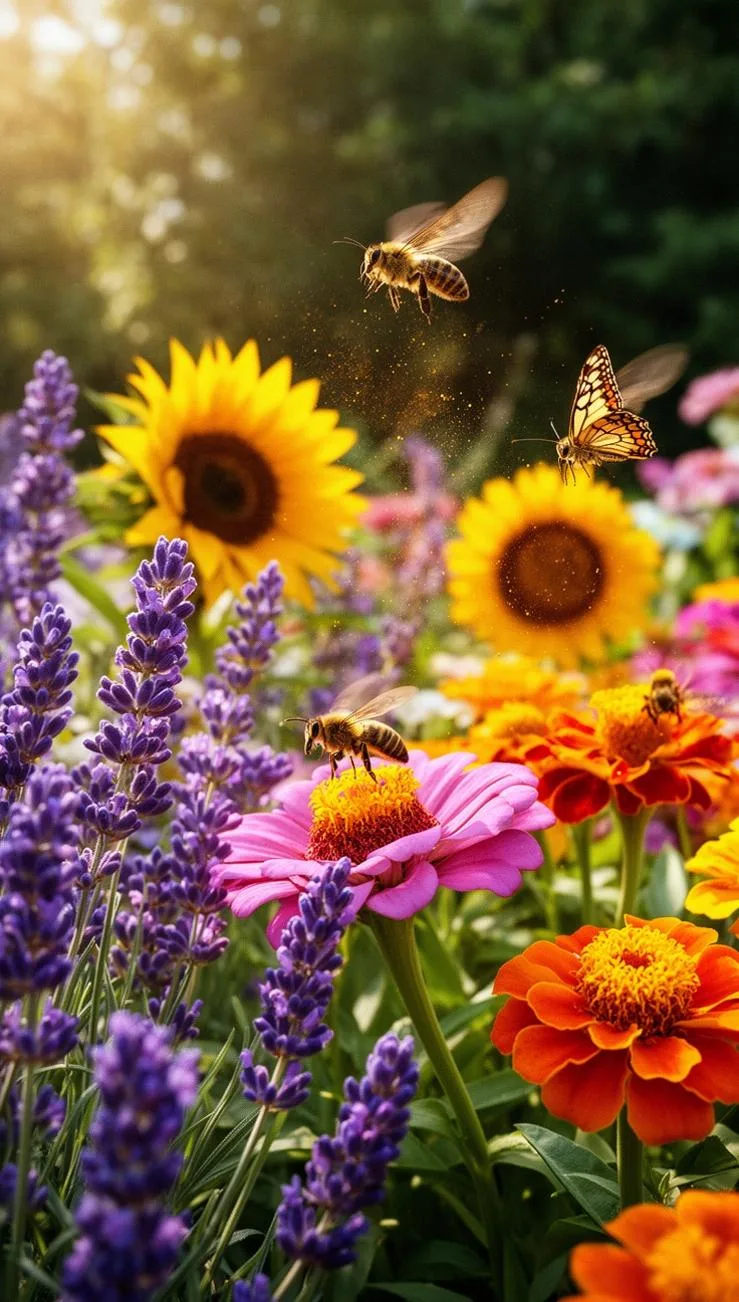
A home garden reduces “food miles”—the distance food travels to get to your plate. It also allows you to avoid the use of harsh synthetic pesticides, creating a safer environment for bees and butterflies.
Mental Well-being
Gardening is a known stress-reliever. The rhythmic nature of weeding and the sensory experience of being outdoors can significantly lower cortisol levels.
Alternative Gardening Methods
Vertical Gardening
If space is tight, grow up! Use trellises, fences, or vertical towers for climbing plants like pole beans, cucumbers, and even small pumpkins. This keeps the fruit off the ground and improves air circulation.
Square Foot Gardening
This method involves dividing your garden bed into a grid of one-foot squares. You plant a specific number of seeds in each square based on the plant’s size, maximizing your yield in a small footprint.
Conclusion
Embarking on this journey is one of the most rewarding things you can do for your health and your home. While there may be a few bumps along the way—a pesky beetle here or a heavy rain there—the lessons you learn will make you a better gardener every season. When you start vegetable garden beds, you aren’t just growing food; you are growing a hobby that lasts a lifetime. Remember that beginner vegetable gardening is a process of discovery, so don’t be afraid to experiment. With a little patience and care, your backyard will soon be providing you with the freshest, most delicious ingredients you’ve ever tasted.
Frequently Asked Questions
1. What is the easiest vegetable to grow for a beginner?
Radishes and lettuce are often considered the easiest. They grow very quickly (sometimes in as little as 30 days) and have few pest problems, making them perfect for building confidence.
2. How often should I water my vegetable garden?
Most gardens need about an inch of water per week. In hot weather, you may need to water every day, especially for containers. Always check the soil first: if the top inch is dry, it’s time to water.
3. Do I have to start my plants from seeds?
Not at all! Many beginners find it easier to buy “starts” or “transplants” from a nursery. This gives you a head start on the season and bypasses the delicate germination stage.
4. Can I use soil from my yard in containers?
It is generally not recommended. Garden soil is too heavy for containers and can become compacted, suffocating the roots. Use a high-quality “potting mix” designed for containers instead.
5. How do I keep pests away without chemicals?
Encourage beneficial insects like ladybugs, use physical barriers like row covers, and practice companion planting (like planting marigolds near tomatoes) to help deter common garden pests naturally.