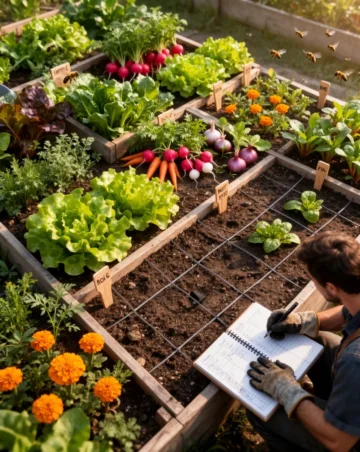
The Secret Harmony of Your Backyard: A Guide to Spring Success
Imagine walking into your backyard this April and seeing a vibrant ecosystem where every plant works together like a well-oiled machine. Your tomatoes are thriving, your basil smells divine, and the pesky aphids that usually plague your roses are nowhere to be found. This isn’t a gardening miracle; it is the result of a strategic companion planting spring garden. By understanding which plants enjoy each other’s company, you can create a self-sustaining environment that naturally resists pests and thrives without heavy chemical interventions.
Mastering the art of vegetable companion planting allows you to maximize your space, whether you have a sprawling backyard or a few modest raised beds. In nature, plants rarely grow in isolated rows of a single species. Instead, they form diverse communities where one plant provides shade, another attracts pollinators, and a third deters hungry insects. This spring, we are going to move away from “monoculture” gardening and embrace the helpful relationships that make organic gardening much easier for beginners and experts alike.
Understanding the Science of Plant Friendships
Natural Pest Control
One of the primary reasons gardeners love this method is the reduction in pesticide use. Certain plants, like marigolds and nasturtiums, release scents or chemicals that confuse or repel harmful insects. For instance, planting pungent onions near your carrots can mask the scent of the carrots, making it harder for carrot rust flies to find their target.
Improving Soil Health
Different plants have different nutritional needs. Legumes, such as peas and beans, are famous for their ability to “fix” nitrogen in the soil. They take nitrogen from the air and turn it into a form that neighboring heavy feeders, like leafy greens or corn, can use to grow lush and strong.
Maximizing Garden Space
Vertical layering is a hallmark of a smart garden. By planting slow-growing tall crops alongside fast-growing low crops, you can double your harvest. For example, planting lettuce in the shade of your maturing broccoli protects the tender greens from the harsh afternoon sun.
The Best Spring Power Couples
Tomatoes and Basil
This is the ultimate classic pairing. Not only do they taste great together on a plate, but many gardeners swear that basil improves the flavor of the tomatoes while growing. Furthermore, the strong scent of basil helps deter thrips and tomato hornworms.
Carrots and Leeks
These two are the perfect roommates. Leeks repel the carrot fly, while carrots help loosen the soil as they grow, making it easier for the leeks’ roots to expand. They occupy different levels of the soil, ensuring they aren’t competing for the same space.
Peas and Spinach
As the weather warms up, spinach tends to “bolt” or go to seed. Planting tall peas on a trellis provides the spinach with much-needed shade, extending your harvest of leafy greens by several weeks.
Step-by-Step Instructions for Your First Plot
Starting your companion planting spring garden requires a little bit of planning, but the rewards are well worth the effort. Follow these steps to ensure your vegetable companion planting layout is optimized for growth and health.
Step 1: Map Your Site
Observe your garden for a full day. Where does the sun hit first? Which areas stay damp? Draw a rough sketch of your garden beds.
Step 2: Identify Your ‘Anchor’ Crops
Decide on the main vegetables you want to eat. These are your anchors—typically larger plants like tomatoes, peppers, or cabbage.
Step 3: Research Their Best Friends
Once you have your anchors, look for companions that fill the gaps. If you chose peppers, plan to tuck some basil or parsley around the base. If you chose cucumbers, consider planting radishes nearby to deter cucumber beetles.
Step 4: Consider Growth Rates
Pair fast-growing crops (like radishes) with slow growers (like parsnips). By the time the slow grower needs more space, the fast grower will have already been harvested.
Step 5: Direct Sowing and Transplanting
In early spring, sow your cool-weather seeds like peas and lettuce first. Wait until the danger of frost has passed to transplant your warmth-loving companions like marigolds and peppers.
Tips from Experienced Gardeners
The Power of Flowers
Never underestimate the power of “trap crops.” Nasturtiums are particularly effective at this; aphids love them so much they will flock to the flowers and leave your precious vegetables alone. Think of them as a sacrificial lamb for the good of the garden.
Rotate Your Friendships
Even if a pairing worked perfectly last year, don’t plant it in the same spot this year. Moving your plant families around the garden prevents soil-borne diseases and pests from becoming established in one location.
Observe and Document
Keep a simple garden journal. Note which combinations resulted in the biggest harvests and which ones seemed to struggle. Every garden has a unique microclimate, and your personal observations are more valuable than any book.
Common Mistakes to Avoid
The “Antagonistic” Plant Trap
Not all plants get along. For instance, fennel is notoriously “antisocial” and can stunt the growth of most other vegetables. Similarly, keep your beans away from onions and garlic, as the allium family can inhibit the growth of nitrogen-fixing bacteria on bean roots.
Overcrowding Your Beds
While the goal is to maximize space, plants still need airflow. If you pack them too tightly, you create a humid environment where powdery mildew and fungal diseases thrive. Always follow the spacing recommendations on seed packets, but feel free to interplant within those boundaries.
Ignoring the Pollinators
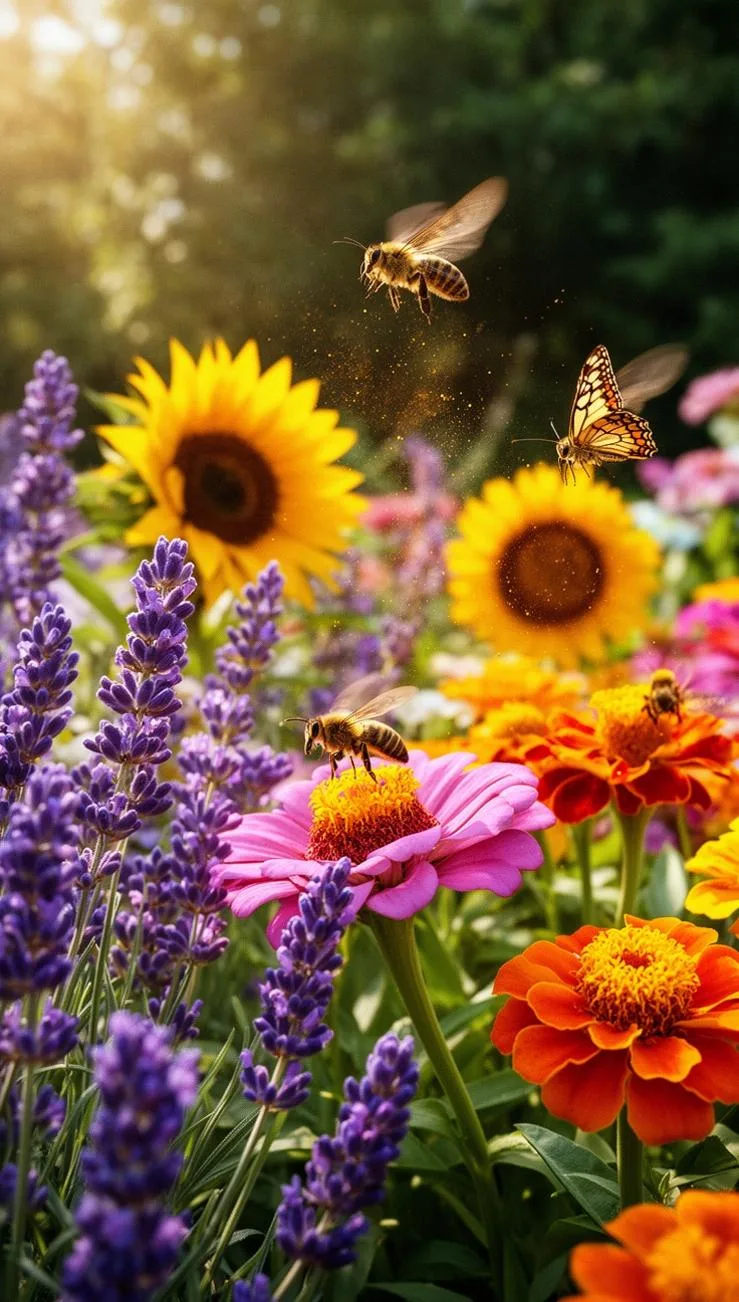
If you only plant vegetables, you might struggle with fruit set on crops like squash or cucumbers. Always include a few flowering herbs or native wildflowers to invite bees and butterflies to the party.
Tools or Materials Needed
To get started, you won’t need anything fancy, but a few basics will make the process smoother:
- Garden Journal: To track your pairings and success rates.
- Hand Trowel: For precise planting of small companion flowers.
- Twine and Stakes: For marking out rows or creating vertical supports.
- Organic Compost: To give all your “friends” a healthy start in nutrient-rich soil.
- Measuring Tape: To ensure you are giving your anchor plants enough ‘elbow room.’
Seasonal or Climate Considerations
Your companion planting spring garden will look different depending on where you live. In northern climates, your focus will be on cold-hardy pairings like kale and onions. In southern regions where spring turns to summer quickly, you should prioritize shade-providing pairings to protect tender crops from the heat.
Always check your local “last frost date” before setting out sensitive plants like tomatoes or peppers. If an unexpected cold snap hits, have some frost blankets or cloches ready to protect your newly planted communities.
Benefits of This Gardening Method
The beauty of this approach goes beyond just a higher yield.
- Biodiversity: You are creating a habitat for beneficial insects and spiders.
- Flavor Improvement: Many gardeners find certain herbs enhance the sugar content and aromatic oils in nearby vegetables.
- Less Physical Labor: Dense companion planting acts as a “living mulch,” suppressing weed growth and retaining soil moisture.
Alternative Methods: Intercropping and Square Foot Gardening
If a full companion layout feels overwhelming, you can try “Intercropping.” This is simply the practice of growing two or more crops in the same space without necessarily focusing on their chemical interactions—just their physical space requirements.
Another popular alternative is “Square Foot Gardening.” This method uses a grid system to manage space. You can easily integrate companion principles into a square foot garden by assigning specific squares to mutually beneficial plants, like a square of tomatoes next to a square of carrots.
Final Thoughts for a Fruitful Season
Embracing a companion planting spring garden is one of the most rewarding steps you can take as a gardener. It shifts your perspective from being a “manager” of individual plants to being a “steward” of a mini-ecosystem. By utilizing vegetable companion planting, you work with nature rather than against it, resulting in a garden that is more resilient, productive, and beautiful. Remember that gardening is a journey of trial and error. Some pairings will flourish, while others might not suit your specific soil—the fun is in the discovery.
Frequently Asked Questions
Does companion planting really work?
Yes! While some claims are based on folklore, many are backed by science. For instance, the “Three Sisters” (corn, beans, and squash) is a scientifically proven method where the corn provides support, the beans provide nitrogen, and the squash provides ground cover.
Can I use companion planting in containers?
Absolutely. In fact, it’s a great way to save space. A large pot can easily host a tomato plant surrounded by a few basil plants and some cascading alyssum to attract pollinators.
What is the easiest pairing for a beginner?
The easiest pairing is tomatoes and marigolds. Marigolds are very hardy and do a fantastic job of deterring soil nematodes and various surface pests, making your tomato-growing experience much smoother.
Are there any plants that shouldn’t be planted with anything?
Fennel and Black Walnut trees are the most famous “loners.” Fennel emits chemicals that inhibit the growth of surrounding plants, and Black Walnut roots produce juglone, which is toxic to many common vegetables like tomatoes and potatoes.
How do I know when to harvest my companion crops?
Each plant follows its own timeline. Radishes might be ready in 25 days, while the carrots they were protecting take 70 days. Always refer to the specific maturity dates on your seed packets and harvest them as they become ready to make room for their neighbors.