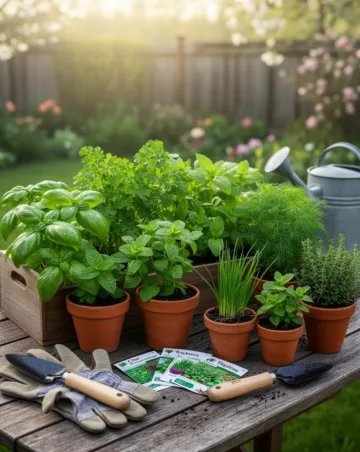
Top Herbs to Plant This April for Fresh Flavors
April is the perfect time to start filling your garden with aromatic, useful plants that will stay with you through the warm months. Whether you have a sunny balcony, a modest backyard, or a windowsill container, adding herbs now means you’ll enjoy fresh seasoning, soothing teas, and beautiful foliage all season long. In this guide we’ll walk you through the best choices, practical steps, and simple tips so even beginners can feel confident. Let’s dive into a thriving spring herb garden and discover which herbs to grow in april will make your garden shine.
Why April Is Ideal for Herb Planting
Climate Warm‑up
In most temperate zones, April marks the transition from the chill of winter to the gentle warmth of spring. Soil temperatures rise above 50 °F (10 °C), encouraging root growth without the stress of summer heat.
Longer Days
Longer daylight hours give herbs more photosynthetic power, leading to stronger stems and richer leaf production – essential for flavor‑intensive varieties.
Reduced Pest Pressure
Many common garden pests are still low in early spring, giving seedlings a chance to establish before insects become active.
Selecting the Best Herbs for April Planting
Cool‑Season Favorites
- Basil – Start indoors or in a protected spot, then transplant after the last frost.
- Parsley – Hardy and slow‑growing; can be sown directly into the soil.
- Cilantro – Prefers cooler temperatures; sow thinly to avoid bolting.
- Chives – Plant from sets or seeds; they return year after year.
Warm‑Season Herbs to Start Early
- Thyme – Very tolerant of early planting; thrives in slightly dry soil.
- Oregano – Can be sown in containers now and moved outdoors later.
- Mint – Grows aggressively; best kept in a pot to control spreading.
Herbs That Like Shade
- Dill – Needs partial shade in hotter climates; sow directly.
- Lemon Balm – Enjoys filtered light; great for border planting.
Step‑By‑Step Instructions
Follow this simple roadmap to ensure your spring herb garden gets off to a healthy start. These steps cover everything from seed selection to final planting, focusing on the most reliable herbs to grow in april.
1. Plan Your Space
- Measure the area (beds, containers, windowsills).
- Mark spots with at least 6–12 inches of spacing for each herb.
- Consider sunlight: 5‑6 hours of direct sun for most herbs.
2. Choose Soil and Amendments
- Use a well‑draining potting mix for containers; garden soil should be loamy.
- Add compost (1‑2 inches) to enrich nutrients.
- Mix in a little sand or perlite if soil feels heavy.
3. Sow Seeds or Plant Transplants
- For seeds, plant ¼‑½ inches deep, spacing according to the label.
- Water gently after sowing; keep the soil moist (but not soggy).
- If using seedlings, dig a hole the same depth as the root ball, press soil around, and water thoroughly.
4. Water and Mulch
- Water early in the morning to reduce evaporation.
- Apply a thin layer of straw or shredded leaves to retain moisture.
5. Monitor Growth
- Thin seedlings to the recommended spacing to avoid crowding.
- Watch for signs of stress: yellowing leaves may indicate over‑watering.
- Fertilize lightly (once a month) with a balanced organic fertilizer.
6. Harvest Properly
- Begin harvesting once plants are established (usually 3‑4 weeks after sowing).
- Snip leaves just above a node to encourage bushier growth.
- Harvest in the morning for the highest oil content.
Tips from Experienced Gardeners
- Rotate locations each year to prevent soil‑borne diseases.
- Use companion planting – Basil next to tomatoes deters pests.
- Harvest regularly to keep plants productive and prevent flowering.
- Label each herb with a weather‑proof tag; it helps avoid mix‑ups.
Common Mistakes to Avoid
- Planting too deep – Seeds need light; burying them too far reduces germination.
- Over‑watering – soggy soil leads to root rot, especially for mint and oregano.
- Ignoring frost dates – Transplanting basil before danger of frost ends can kill seedlings.
- Neglecting spacing – Crowded plants compete for nutrients and airflow, fostering disease.
Tools or Materials Needed
- Garden trowel or hand rake
- Watering can or hose with a gentle spray nozzle
- Seed trays or small pots (for indoor starts)
- Organic compost and mulch
- Labels or plant markers
- Garden gloves
Seasonal or Climate Considerations
Cool‑Climate Regions
In areas with late frosts, start seeds indoors 4‑6 weeks before the expected last frost date. Use heat mats to promote germination.
Warm‑Climate Regions
In zones where April can already be hot, provide partial shade for delicate herbs like cilantro and dill. Mulch heavily to keep soil temperature stable.
Rain‑Heavy Areas
Ensure good drainage; consider raised beds or containers to prevent waterlogging.
Benefits of Growing Herbs in April
- Fresh flavor for cooking, salads, and teas throughout the growing season.
- Medicinal properties – many herbs have soothing or anti‑inflammatory effects.
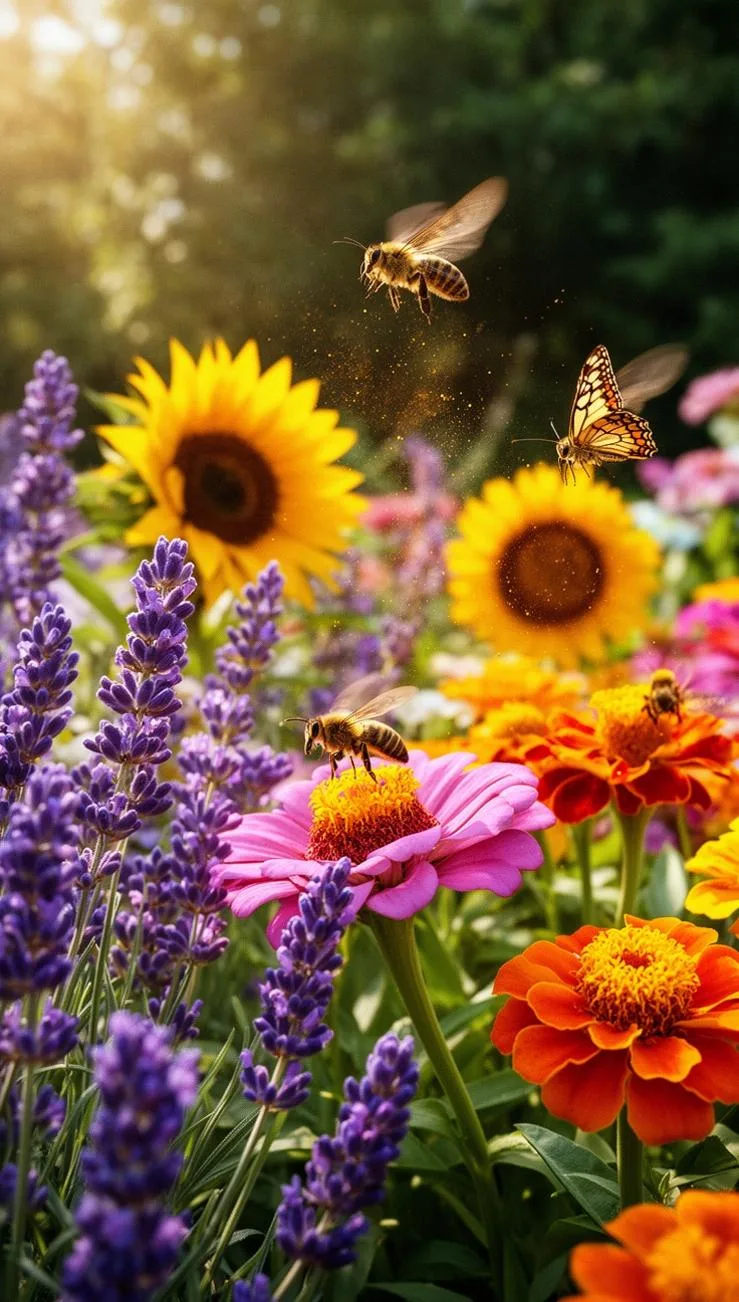
- Attract beneficial insects like bees and ladybugs, improving overall garden health.
- Low maintenance – once established, most herbs need minimal care.
Alternative Methods
- Hydroponic herb kits – perfect for indoor growers; control nutrients and water directly.
- Vertical gardening – use wall-mounted planters or stacked pots to save space.
- Companion herb beds – mix herbs with vegetables to maximize space and pest control.
Conclusion
Planting a spring herb garden in April sets the stage for a season of flavorful, home‑grown herbs. By selecting the right varieties, preparing soil properly, and following a clear planting routine, you’ll enjoy abundant harvests of the most reliable herbs to grow in april. Remember to monitor water, harvest regularly, and stay mindful of your local climate, and your garden will reward you with fresh herbs all summer long.
Frequently Asked Questions
- Can I plant herb seeds directly in the ground in April?
Yes, if the soil has warmed above 50 °F (10 °C) and the risk of frost is low. For more tender herbs like basil, start indoors and transplant after the last frost. - How often should I water my newly planted herbs?
Keep the soil consistently moist but not soggy. Water when the top inch feels dry, typically every 2‑3 days in mild weather. - Do herbs need fertilizer?
Light, organic fertilization once a month is sufficient. Over‑fertilizing can reduce flavor intensity. - What’s the best way to store harvested herbs?
Rinse gently, pat dry, and store in a sealed container in the refrigerator. For longer storage, freeze leaves in ice‑cube trays with a little water or oil. - Can I grow herbs in containers on a balcony?
Absolutely! Choose pots with drainage holes, use a good-quality potting mix, and ensure the containers receive at least 5‑6 hours of sunlight.