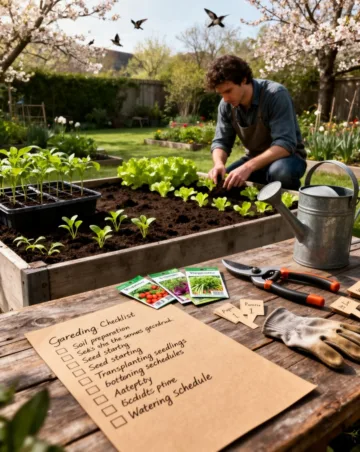
April is the perfect month for gardeners who are ready to turn the winter lull into a burst of growth. Whether you’re just pulling your first seedling out of a pot or you’ve been tending beds for years, having a clear plan will save you time, money, and frustration. In this article we’ll walk you through everything you need to know to get your garden thriving, from soil prep to planting the right vegetables. By the end, you’ll have a handy april gardening checklist and understand how it fits into the broader set of spring garden tasks that keep your outdoor space healthy and productive.
Preparing the Soil
Test and Amend
-
- Use a home soil test kit to check pH and nutrient levels.
-
- Apply lime if the pH is below 6.0 or sulfur if it’s above 7.5.
-
- Incorporate well‑rotted compost or aged manure to improve structure.
Mulching for Moisture
Lay a 2‑3 inch layer of organic mulch (straw, wood chips, or leaf mold) around existing plants. This helps retain moisture, suppress weeds, and adds nutrients as it breaks down.
Choosing What to Plant
Cool‑Season Vegetables
April is ideal for sowing peas, lettuce, spinach, radishes, and broccoli. These crops tolerate the lingering chill and will be ready for harvest before the heat of summer arrives.
Warm‑Season Beginnings
Start tomatoes, peppers, and eggplants indoors now, so they’re ready to transplant after the last frost. Use peat pots or biodegradable trays to avoid root disturbance.
Watering Strategies
Early Morning Irrigation
Watering early reduces evaporation and gives plants time to dry before evening, lowering disease risk.
Drip Systems vs. Sprinklers
Drip lines deliver water directly to the root zone, conserving up to 40% more water than overhead sprinklers. If you’re on a tight budget, make a simple soaker hose from a perforated garden hose.
Pest and Disease Management
Scout Regularly
Walk your garden twice a week and look for signs of aphids, slugs, or powdery mildew. Early detection makes control easier.
Organic Controls
-
- Neem oil spray for soft‑bodied insects.
-
- Hand‑pick slugs at night and drop them into a bucket of soapy water.
-
- Row covers to protect seedlings from flea beetles.
Step-by-Step Instructions
Follow this concise april gardening checklist to keep your garden on track and align it with your overall spring garden tasks:
-
- Soil testing: Collect samples from each bed, mix, and send to a lab or use a DIY kit.
-
- Amend the soil: Add compost, lime, or sulfur based on test results.
-
- Plan your layout: Sketch where cool‑season veg and warm‑season seedlings will go.
-
- Start seeds indoors: Sow tomatoes, peppers, and herbs 6‑8 weeks before transplant.
-
- Sow direct‑seed crops: Plant peas, lettuce, and radishes as soon as the soil can be worked.
-
- Mulch beds: Spread organic mulch around all plants.
-
- Set up irrigation: Install drip lines or soaker hoses and schedule morning watering.
-
- Monitor for pests: Check leaves weekly; apply neem oil or hand‑pick as needed.
-
- Prepare for transplant: Harden off indoor seedlings for 7‑10 days before moving them outdoors.
-
- Record progress: Keep a garden journal noting dates, varieties, and observations.
Tips from Experienced Gardeners
-
- Rotate crops: Avoid planting the same family in the same spot year after year to reduce disease buildup.
-
- Use shade cloth: In hot regions, a 30% shade cloth protects tender seedlings from scorching.
-
- Companion planting: Pair basil with tomatoes to deter pests and improve flavor.
-
- Harvest early: Picking lettuce leaves before they bolt encourages continuous growth.
Common Mistakes to Avoid
-
- Planting too early before the soil has warmed, leading to poor germination.
-
- Over‑watering, which can cause root rot and encourage fungal diseases.
-
- Skipping soil testing and assuming the soil is fertile.
-
- Ignoring the spacing guidelines on seed packets, resulting in overcrowded plants.
Tools or Materials Needed
-
- Soil test kit or pH meter
-
- Compost or well‑rotted manure
-
- Garden fork or spade
-
- Mulch (straw, wood chips, leaf mold)
-
- Drip irrigation kit or soaker hose
-
- Seed trays, peat pots, and grow lights for indoor starts
-
- Neem oil or insecticidal soap
-
- Garden journal or app for tracking
Seasonal or Climate Considerations
In cooler climates (USDA zones 3‑5), wait until the risk of frost is past before transplanting warm‑season seedlings. In milder zones (6‑9), you can begin hardening off earlier and may even get a second wave of cool‑season crops in late April. If you experience a wet spring, improve drainage with raised beds or sand amendments.
Benefits of This Gardening Method or Plant
Following a structured April plan offers several advantages:
-
- Higher yields: Proper timing ensures plants reach maturity before heat stress.
-
- Reduced pest pressure: Healthy, well‑fed plants are less attractive to insects.
-
- Water efficiency: Drip irrigation and mulching cut water use dramatically.
-
- Improved soil health: Regular organic amendments build long‑term fertility.
Alternative Methods
If you prefer low‑maintenance gardening, consider the following alternatives:
-
- No‑till gardening: Plant directly into existing mulch, reducing soil disturbance.
-
- Hydroponic setups: Grow lettuce and herbs indoors year‑round, bypassing soil concerns.
-
- Raised beds with pre‑filled soil mixes: Ideal for areas with poor native soil.
Conclusion
April is a pivotal month that sets the tone for the entire growing season. By following a clear april gardening checklist and integrating it with your broader list of spring garden tasks, you’ll create a thriving garden that rewards your effort with abundant harvests and beautiful blooms. Stay organized, keep learning, and enjoy the satisfaction of watching your garden come to life.
Frequently Asked Questions
-
- When is the best time to plant tomatoes in April? Start seeds indoors now and transplant outdoors after the last frost, typically 2‑3 weeks into April in most zones.
-
- How much mulch should I use? Aim for a 2‑3 inch layer around plants; this conserves moisture without smothering seedlings.
-
- Can I plant beans in April? Beans prefer warmer soil (above 60°F). Wait until mid‑May in cooler climates, but they can be sown early in warmer zones.
-
- What is the easiest way to improve soil drainage? Add coarse sand or perlite to heavy clay soils, and consider building raised beds.
-
- Should I use chemical pesticides this month? For most beginner gardens, organic options like neem oil or hand‑picking are effective and safer for beneficial insects.