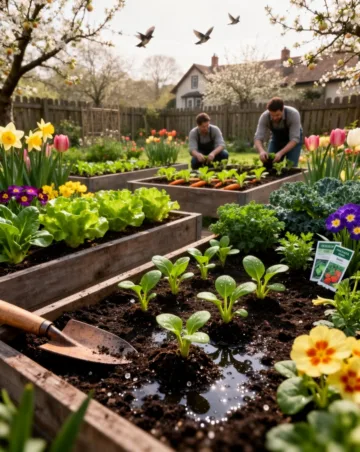
April is the perfect month to kick‑start your garden’s growth cycle, whether you’re planting colorful annuals, hearty vegetables, or fragrant herbs. Below you’ll find a friendly, step‑by‑step guide that helps beginners and intermediate gardeners alike choose the right crops, avoid common pitfalls, and enjoy a bountiful season.
Why Planting in April Matters
As the days get longer and the soil warms, plants move out of dormancy and begin an active growth phase. This transition offers a unique window for sowing seeds, transplanting seedlings, and establishing perennials that will thrive throughout summer. By understanding the timing, soil preparation, and climate nuances, you’ll set the stage for a successful garden that rewards you with fresh produce and beautiful blooms.
In this guide we’ll walk through the essential tasks and choices to make. You’ll also discover a concise what to plant in april overview and an easy‑to‑follow april vegetable planting guide to keep on hand as you plan.
Choosing the Right Plants for April
Cool‑Season Vegetables
-
- Leafy greens – lettuce, spinach, arugula
-
- Root crops – carrots, beets, radishes
-
- Alliums – onions, shallots, leeks
-
- Brassicas – broccoli, cauliflower, cabbage
Warm‑Season Crops to Start Indoors
-
- Tomatoes (start seeds indoors)
-
- Peppers (seedlings need warm soil)
-
- Eggplants (transplant after the last frost)
Herbs and Flowers
-
- Herbs – basil (start indoors), cilantro, parsley
-
- Annual flowers – marigolds, petunias, snapdragons
-
- Perennial beauties – daylilies, hostas
Preparing Your Garden Beds
Soil Testing and Amendment
Before you plant, test the pH and nutrient levels. Amend with compost, well‑rotted manure, or peat moss to improve texture and fertility.
Mulching for Moisture Retention
A thin layer of straw or shredded leaves helps keep soil temperature steady and reduces watering frequency.
Row Planning and Companion Planting
Design rows 12–18 inches apart for most vegetables. Use companion planting principles – for example, plant basil near tomatoes to deter pests.
Watering and Fertilizing Basics
When and How Much to Water
Water early in the morning. Aim for 1 inch of water per week, either from rainfall or irrigation.
Organic Fertilizer Options
-
- Fish emulsion – quick nitrogen boost
-
- Seaweed extract – micronutrients for strong seedlings
-
- Compost tea – gentle, sustainable feeding
Step‑By‑Step Instructions for a Successful April Planting
Follow this simple checklist to go from soil prep to harvest-ready plants. This section also includes the highlighted keywords you’re looking for.
-
- what to plant in april: Review the lists above and select at least three cool‑season vegetables to sow directly in the ground.
-
- Prepare your beds by loosening the soil 6–8 inches deep and mixing in 2–3 inches of compost.
-
- Lay a thin mulch layer, then mark planting rows using a garden line.
-
- Sow seeds at the depth indicated on the packet (usually ¼–½ inch for leafy greens).
-
- Water gently with a fine spray to settle the soil around the seeds.
-
- For warm‑season crops, start seeds indoors under grow lights; transplant after the last frost date.
-
- Apply a light organic fertilizer two weeks after germination.
-
- Monitor for pests: use row covers or hand‑pick insects as needed.
-
- Keep the garden tidy—remove weeds promptly to reduce competition.
-
- Harvest leafy greens as soon as they reach 4–6 inches tall for continuous growth.
Use the april vegetable planting guide as a quick reference for sowing dates and spacing.
Tips from Experienced Gardeners
-
- Plant in succession: sow a new batch of lettuce every two weeks for a steady harvest.
-
- Use a rain gauge to track natural precipitation and adjust watering accordingly.
-
- Rotate crops each season to prevent soil‑borne diseases.
-
- Start seedlings in biodegradable pots to avoid transplant shock.
Common Mistakes to Avoid
-
- Planting too early: Frost can damage tender seedlings. Check local frost dates.
-
- Over‑watering: Waterlogged soil leads to root rot.
-
- Ignoring soil health: Skipping compost amendment reduces yields.
-
- Planting too densely: Crowded plants compete for light and nutrients.
Tools or Materials Needed
-
- Garden fork or spade
-
- Hand trowel
-
- Soil test kit
-
- Compost or well‑rotten manure
-
- Seed trays and grow lights (for indoor starts)
-
- Mulch (straw, shredded leaves)
-
- Watering can or hose with a gentle sprayer
-
- Garden markers for row identification
Seasonal or Climate Considerations
April conditions vary widely:
-
- Cool, maritime climates: Expect consistent moisture; focus on hardy greens.
-
- Continental zones: Early frosts may still occur; use row covers.
-
- Warm, Mediterranean areas: Soil heats quickly; start warm‑season crops earlier.
Adjust planting depth and timing based on your local climate chart.
Benefits of Early‑Season Planting
-
- Longer harvest window – you can enjoy fresh produce well into summer.
-
- Reduced pest pressure – many insects are less active in cooler weather.
-
- Improved soil structure – early work helps break up compaction before heavy rains.
Alternative Methods for April Planting
-
- Raised beds: Faster soil warming and better drainage.
-
- Container gardening: Ideal for limited space; you can move pots to capture sun.
-
- Square foot gardening: Maximizes space and reduces weed growth.
Conclusion
April offers a sweet spot for new gardeners to lay the foundations for a thriving garden. By selecting the right cool‑season vegetables, preparing your soil, and following a clear planting schedule, you’ll enjoy a steady supply of fresh, home‑grown produce. Remember the essential takeaways from our what to plant in april overview, and keep the concise april vegetable planting guide handy for reference throughout the month.
Frequently Asked Questions
- When is the best time to sow lettuce in April?
Sow as soon as the soil can be worked, typically 2–4 weeks before the average last frost. - Can I plant tomatoes directly in the ground in April?
In most regions, tomatoes need to be started indoors and transplanted after the danger of frost passes. - How often should I water newly planted seedlings?
Keep the soil consistently moist but not soggy; water lightly once daily during dry spells. - What mulch works best for early‑season beds?
Straw, shredded leaves, or grass clippings provide good insulation and moisture retention. - Do I need fertilizer for crops planted in April?
A light application of organic fertilizer after seedlings emerge will boost growth, but over‑fertilizing can cause leaf burn.