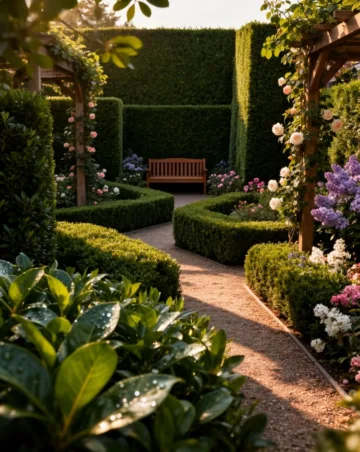
Imagine strolling through a lush, green boundary that not only adds privacy but also brings a splash of colour and wildlife to your yard. A well‑planned hedge garden can transform an ordinary backyard into a living masterpiece. Whether you’re a novice or have a few seasons under your belt, learning the basics of hedge landscaping, living hedge fence will give you confidence to design, plant, and maintain a thriving green wall that serves both functional and aesthetic purposes.
Understanding the Basics of Hedge Gardens
What Is a Hedge Garden?
A hedge garden is a collection of closely spaced shrubs or trees planted in a linear formation to create a natural barrier. Unlike a simple fence, a hedge offers year‑round greenery, wildlife habitat, and can be shaped into formal or informal designs.
Why Choose Hedges Over Traditional Fencing?
-
- Privacy: A dense hedge blocks sight lines better than most wooden or metal fences.
-
- Noise Reduction: Thick foliage absorbs sound, creating a quieter outdoor space.
-
- Environmental Benefits: Hedges act as windbreaks, improve soil health, and provide food for pollinators.
Choosing the Right Plants
Popular Species for Beginners
-
- Ligustrum (Privet): Fast‑growing, hardy, and easy to prune.
-
- Taxus (Yew): Evergreen, shade‑tolerant, and excellent for formal hedges.
-
- Berberis (Barberry): Spiny, colorful foliage, perfect for security.
-
- Rosmarinus (Rosemary): Aromatic, drought‑resistant, and produces lovely blooms.
Factors to Consider
-
- Climate: Choose species suited to your hardiness zone.
-
- Soil Type: Some shrubs prefer well‑drained sand, others thrive in loam.
-
- Sun Exposure: Full sun vs. partial shade plants.
Site Preparation
Assessing Soil Health
Start by testing the pH and nutrient levels. Amend the soil with compost or well‑rotted manure to improve structure and fertility.
Layout and Spacing
Mark the hedge line with string or spray paint. Space shrubs according to their mature width—typically 0.5 to 1 meter apart for dense coverage.
Step‑By‑Step Instructions
Follow these clear actions to establish a thriving hedge garden and master hedge landscaping, living hedge fence techniques:
1. Plan the Design
-
- Sketch the hedge line on graph paper.
-
- Decide on height and shape (straight, curved, or tiered).
-
- Select a mix of evergreen and deciduous species for year‑round interest.
2. Prepare the Planting Bed
-
- Remove weeds and grass.
-
- Dig a trench 30 cm deep and 30 cm wide.
-
- Mix in organic compost at a ratio of 1:3 (compost:soil).
3. Plant the Shrubs
-
- Place each plant at the same depth it was in the nursery pot.
-
- Backfill gently, firming the soil to eliminate air pockets.
-
- Water thoroughly to settle the root zone.
4. Mulch and Water
-
- Apply a 5 cm layer of mulch (bark chips or straw) to retain moisture.
-
- Water weekly during the first growing season, adjusting for rainfall.
5. Initial Pruning
-
- After the first flush of new growth, trim the tops to encourage bushiness.
-
- Remove any crossing branches to improve airflow.
6. Ongoing Maintenance
-
- Trim the hedge two to three times per year—late spring and early autumn are ideal.
-
- Fertilize annually with a balanced slow‑release fertilizer.
-
- Inspect for pests and diseases, treating promptly.
Tips from Experienced Gardeners
-
- Stagger Planting Times: Plant half the hedge in early spring and the rest in late summer for continuous growth.
-
- Use a Hedge Trimmer: Electric or battery‑powered trimmers give clean cuts and save time.
-
- Encourage Wildlife: Add birdhouses or insect hotels nearby to boost pollination.
Common Mistakes to Avoid
-
- Planting Too Close: Overcrowding leads to competition for water and nutrients.
-
- Ignoring Soil Drainage: Water‑logged soils cause root rot.
-
- Skipping Mulch: Mulch reduces moisture loss and suppresses weeds.
-
- Heavy Pruning Early: Cutting back too much during the first year weakens young plants.
Tools and Materials Needed
-
- Spade or garden fork
-
- Garden hose or watering can
-
- Organic compost
-
- Mulch (bark chips, straw, or leaf mold)
-
- Pruning shears and hedge trimmer
-
- Measuring tape and garden marker
-
- Soil test kit
Seasonal and Climate Considerations
Spring
Planting and early pruning are best done when the soil has warmed.
Summer
Maintain consistent watering; avoid intense pruning during heat waves.
Autumn
Final trimming before leaf fall helps shape the hedge for winter.
Winter
Protect young shrubs with burlap wraps in extreme cold zones.
Benefits of a Hedge Garden
-
- Privacy & Security: A dense barrier deters intruders and provides a quiet retreat.
-
- Ecological Value: Supports birds, bees, and beneficial insects.
-
- Air Quality: Plants filter pollutants and produce oxygen.
-
- Visual Appeal: Seasonal colour changes add dynamic interest.
Alternative Methods
If a full hedge isn’t practical, consider these options:
-
- Living Walls: Vertical planters using small, compact shrubs.
-
- Mixed Borders: Combine low hedges with flowering perennials.
-
- Espaliered Trees: Train fruit trees against a fence for space‑saving fruit production.
Conclusion
Creating a hedge garden is a rewarding project that blends beauty, function, and environmental stewardship. By following the step‑by‑step guide and keeping the principles of hedge landscaping, living hedge fence in mind, even beginner gardeners can achieve a flourishing green boundary that enhances their outdoor living space for years to come.
Frequently Asked Questions
- How long does it take for a hedge to become dense enough for privacy?
Typically 3–5 years, depending on the species and care. - Can I mix evergreen and deciduous shrubs in the same hedge?
Yes, mixing provides year‑round interest and varied texture. - What is the best time of year to prune a hedge?
Late spring after the first growth flush and early autumn before dormancy. - Do I need to fertilize my hedge regularly?
A balanced, slow‑release fertilizer applied once a year is sufficient for most hedges. - How can I prevent pests like aphids from damaging my hedge?
Regular inspections, encouraging natural predators, and using neem oil when infestations appear.