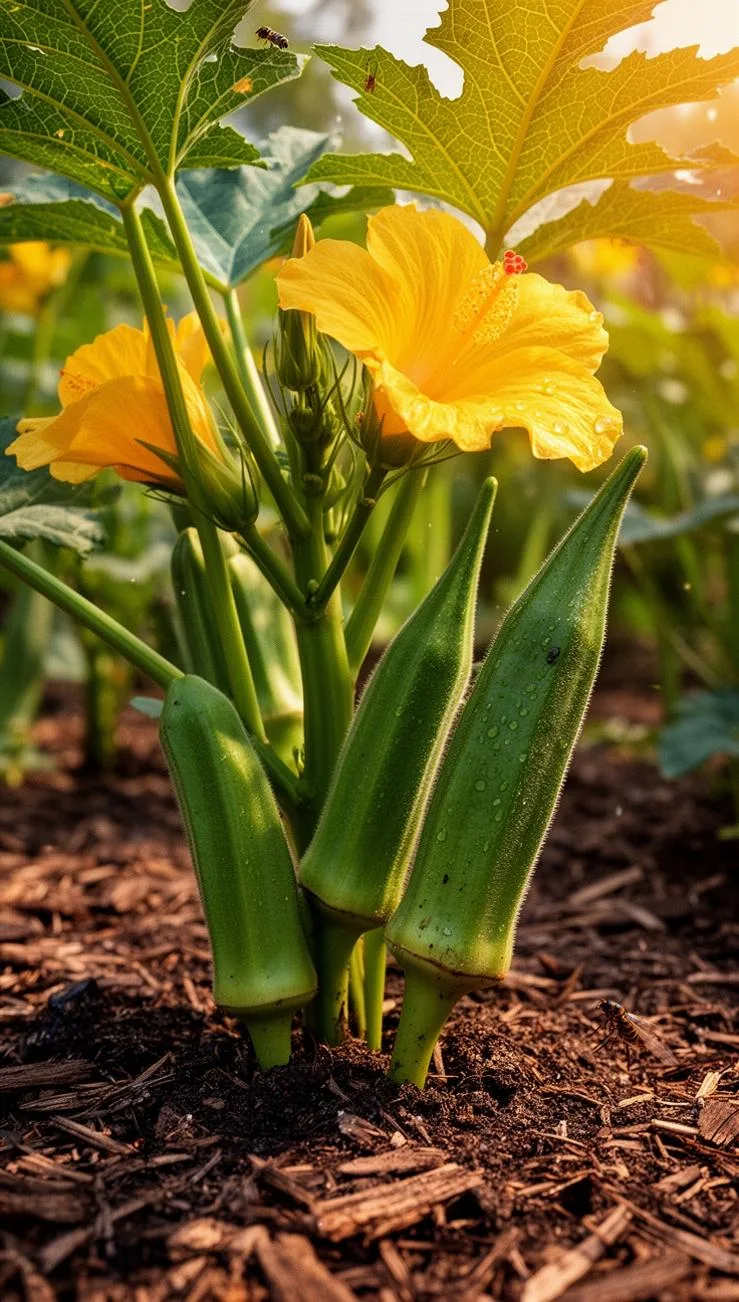
Imagine stepping outside and being greeted by blossoms in spring, cool greens in summer, rich colors in autumn, and subtle textures in winter—all without re‑planting or major overhauls. That’s the magic of a garden that works for you all year long.
Opening section
For many hobby gardeners, the idea of a four season garden sounds like a lofty dream. Yet with thoughtful planning, you can create a vibrant year round garden, seasonal planting design that brings color, structure, and purpose to every month. This approach not only maximizes your outdoor space but also spreads the workload, so you’re never overwhelmed by a single massive planting season. Let’s explore how you can turn a modest plot into a continuous source of beauty and harvest.
Planning Your Garden Layout
Map the Space
- Measure the area and sketch a rough map.
- Mark zones for sun, shade, and partial shade.
- Identify existing structures (fences, trellises) you can use.
Choose a Core Structure
Start with evergreen shrubs or small trees as a backbone. These provide year‑round height and texture and serve as a visual anchor for seasonal plantings.
Choosing Perennial and Seasonal Plants
Spring Highlights
Early‑blooming bulbs (daffodils, tulips) and hardy perennials (primroses, bleeding hearts) bring color after the frost.
Summer Sustainers
Consider heat‑tolerant herbs (basil, rosemary) and flowering perennials (lavender, coneflower) that thrive in full sun.
Autumn Accents
Plant mums, asters, and ornamental grasses that add warm tones as leaves turn.
Winter Interest
Ornamental cabbages, winter heather, and ornamental grasses with feathery seedheads keep the garden alive during the colder months.
Step-by-Step Instructions
Follow this simple roadmap to build your four season garden and enjoy a year round garden, seasonal planting design that feels effortless.
- Assess Sunlight – Walk the site at different times of day. Record full‑sun, partial‑shade, and full‑shade zones.
- Prepare the Soil – Loosen the top 12‑15 inches, add compost or well‑rotted manure, and test pH. Aim for a balanced, loamy texture.
- Lay the Evergreen Framework – Plant 2‑3 evergreen shrubs or dwarf trees in each major zone. Space them 3‑5 feet apart to allow room for understory plants.
- Layer Seasonal Plantings –
- Spring: Plant bulbs and early perennials around the evergreen base.
- Summer: Add heat‑loving herbs and flowering perennials.
- Autumn: Insert late‑blooming mums and asters.
- Winter: Scatter ornamental kale, winter heather, and grasses.
- Mulch and Water – Apply a 2‑inch layer of organic mulch to retain moisture and suppress weeds. Water thoroughly after planting, then settle into a consistent schedule (weekly during dry spells).
- Maintain and Rotate – After each season, deadhead spent flowers, trim back perennials, and rotate out any underperforming species. This keeps the garden fresh and encourages new growth.
Tips from Experienced Gardeners
- Group plants with similar water needs together to simplify irrigation.
- Use a drip‑irrigation system for efficient, low‑maintenance watering.
- Plant on a slight slope to improve drainage and reduce waterlogging.
- Incorporate scented herbs (lavender, mint) for sensory enjoyment year‑round.
- Keep a garden journal to track bloom times, pest issues, and successful plant combos.
Common Mistakes to Avoid
- Over‑planting – Crowded beds compete for nutrients and light, leading to weak growth.
- Ignoring Soil Health – Skipping soil amendment results in poor plant performance.
- Choosing Incompatible Plants – Mixing sun‑loving and shade‑preferring species in the same spot creates stress.
- Neglecting Winter Protection – Some perennials need mulching or burlap wraps to survive harsh freezes.
Tools or Materials Needed
- Spade and garden fork
- Soil test kit
- Compost or well‑rotted manure
- Organic mulch (bark, straw, or shredded leaves)
- Drip irrigation tubing and emitters
- Pruning shears and garden gloves
Seasonal or Climate Considerations
Adapt your plant selections to your USDA hardiness zone. In colder regions, emphasize hardy evergreens and cold‑tolerant perennials. In milder climates, you can extend the growing season with additional summer‑loving annuals. Pay attention to micro‑climates within your garden—south‑facing walls provide extra warmth, while low‑lying spots may stay cooler and damper.
Benefits of This Gardening Method or Plant
– A garden that evolves with the seasons keeps your outdoor space engaging. – By spreading planting tasks across the year, you avoid the rush of a single, intensive season. – A variety of plants offers habitats for pollinators, beneficial insects, and birds throughout the year. – Perennial roots stay in the ground longer, enhancing soil structure and nutrient cycling.
Alternative Methods
If a full‑year garden feels overwhelming, try a phased approach: start with an evergreen backbone and add seasonal layers year by year. Another option is a container‑based four‑season garden, using pots that can be moved to shelter during harsh weather. Both methods allow you to test plant performance before committing to a larger planting scheme.
Conclusion
Creating a thriving four season garden is within reach for gardeners of any skill level. By thoughtfully arranging evergreen foundations, layering seasonal plants, and following a clear step‑by‑step plan, you’ll enjoy a year round garden, seasonal planting design that delights the senses and simplifies maintenance. Start small, stay patient, and watch your garden transform month after month.
Frequently Asked Questions
- Can I create a four‑season garden in a small patio?
Yes—use compact evergreens, dwarf shrubs, and container plants to mimic the same layered approach on a smaller scale. - What are the best evergreen shrubs for beginners?
Boxwood, dwarf conifers, and Japanese holly are low‑maintenance and provide structure year‑round. - How often should I water a year‑round garden?
During dry spells, aim for about 1 inch of water per week; adjust based on rainfall and soil moisture. - Do I need to fertilize each season?
A slow‑release organic fertilizer applied in early spring and again in late summer usually suffices. - What pests should I watch for?
Common culprits include aphids, slugs, and spider mites. Regular inspection and natural controls like neem oil keep them in check.