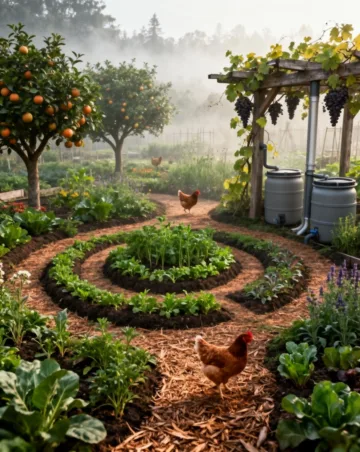
Growing a Resilient Backyard Oasis: From Scratch to Harvest
Opening
Imagine stepping outside to a backyard that feeds you, supports pollinators, and stays productive year after year with minimal effort. That dream becomes reality when you embrace the principles of a permaculture garden. Not only does it create a thriving ecosystem, it also aligns perfectly with modern sustainable garden, permaculture design practices that conserve water, enrich soil, and reduce waste. Whether you have a small patio or a spacious lawn, the approach is flexible enough for beginners and rewarding enough for seasoned growers.
Understanding the Core Principles
Observe and Interact
Start by spending time watching your site. Notice sunlight patterns, wind direction, water drainage, and existing vegetation. These observations become the foundation for every design decision.
Catch and Store Energy
Use rain barrels, swales, or mulched beds to capture water and solar energy. Storing resources on‑site lessens reliance on external inputs.
Produce No Waste
Every plant part can become a resource: leaf litter turns into compost, kitchen scraps feed worms, and spent coffee grounds enrich the soil.
Integrate Rather Than Segregate
Mix layers—trees, shrubs, herbs, groundcovers, and root crops—to create habitats that support beneficial insects, birds, and microbes.
Designing Your Space
Map Your Zone
Divide your garden into zones based on how often you’ll visit them. Zone 1 is closest to the house (herbs, salad greens); Zone 5 is the wildest, least‑managed area.
Plan the Zones
- Zone 1: Kitchen garden, container herbs, small raised beds.
- Zone 2: Perennial vegetables, berry bushes, easy‑access compost.
- Zone 3: Fruit trees, larger shrubs, nitrogen‑fixing legumes.
- Zone 4: Semi‑wild habitat, pollinator strips.
- Zone 5: Natural meadow or forest edge.
Choose the Right Plants
Select species that are native or well‑adapted to your climate. Pair nitrogen‑fixing plants (like beans or clover) with heavy feeders (such as tomatoes) to balance soil nutrients.
Step-by-Step Instructions
Follow this straightforward plan to turn a blank plot into a functional permaculture garden that embodies sustainable garden, permaculture design concepts.
Step 1 – Site Assessment
- Walk the area at different times of day; record sun exposure on a simple sketch.
- Test soil pH with a home kit; note drainage by digging a small hole and filling it with water.
Step 2 – Water Management
- Install a rain barrel near downspouts.
- Dig shallow swales along contour lines to slow runoff.
- Lay a thick layer of straw mulch to retain moisture.
Step 3 – Build Soil Health
- Start a compost bin with kitchen scraps, grass clippings, and dried leaves.
- Incorporate worm castings into raised beds for an instant boost.
- Apply a thin coating of mycorrhizal inoculant to seedlings’ roots.
Step 4 – Plant the Layers
- Tree layer: Dwarf apple or plum trees on the north side.
- Shrub layer: Currants, raspberries, and nitrogen‑fixing sea buckthorn.
- Herbaceous layer: Comfrey, kale, and perennial onions.
- Groundcover: White clover or low‑growing thyme.
- Root layer: Garlic, carrots, and potatoes tucked between herbs.
Step 5 – Establish the Garden
- Water newly planted stock deeply for the first two weeks.
- Apply a mulch blanket of wood chips around each plant.
- Set up a simple drip‑irrigation system powered by the rain barrel.
Tips from Experienced Gardeners
- Start Small: One 4‑ft square foot bed can teach you the basics before you expand.
- Observe Seasonal Changes: Adjust planting dates based on the first and last frost.
- Use “Stacked Functions”: A single plant can provide food, habitat, and soil improvement.
- Keep a Garden Log: Record planting dates, yields, and weather; it’s priceless for future seasons.
Common Mistakes to Avoid
- Planting too many exotic species that can become invasive.
- Ignoring soil testing, which leads to nutrient imbalances.
- Over‑watering or under‑watering because of inadequate catch‑and‑store methods.
- Not allowing enough time for plants to establish before harvesting.
Tools or Materials Needed
- Shovel and garden fork
- Hand trowel for seedling work
- Rain barrel or large water container
- Mulch (straw, wood chips, or leaf litter)
- Compost bin or worm farm
- Measuring tape for layout and spacing
- Drip‑irrigation kit (optional but highly recommended)
Seasonal or Climate Considerations
Temperate Zones: Focus on cool‑season crops like peas, kale, and broccoli in spring; transition to warm‑season tomatoes and peppers after the last frost.
Arid Regions: Prioritize drought‑tolerant species such as lavender, rosemary, and native grasses. Use deep mulch and contour swales to capture scarce rainfall.
Cold Climates: Employ cold frames or hoop houses to extend the growing season and protect tender perennials.
Benefits of This Gardening Method
- Reduced water use through efficient capture and storage.
- Improved soil fertility without synthetic fertilizers.
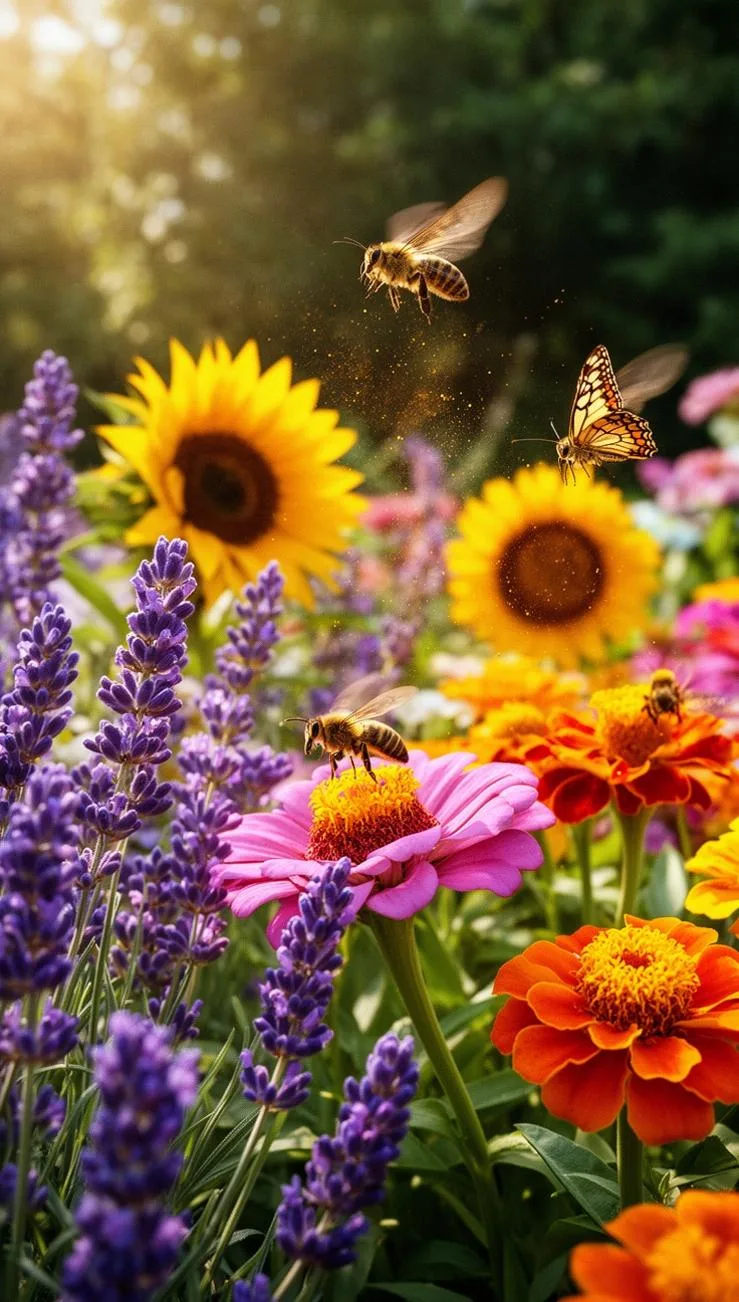
- Higher biodiversity, attracting pollinators and natural pest controllers.
- Greater food security and lower grocery bills.
- Enhanced resilience to climate fluctuations.
Alternative Methods to Consider
- Square Foot Gardening: Great for limited spaces; uses intensive planting in a grid layout.
- Biointensive Gardening: Focuses on soil building and high yields per square foot.
- Forest Gardening: Mimics natural forest layers on a larger scale for permanent food production.
Conclusion
Creating a thriving permaculture garden may seem ambitious at first, but by following the simple steps outlined above and respecting the principles of sustainable garden, permaculture design, you’ll develop a resilient, low‑maintenance oasis that feeds both people and the planet. Start small, stay observant, and let nature do much of the work—your future harvests will thank you.
Frequently Asked Questions
1. Do I need a large area to start a permaculture garden?
No. Even a balcony or a single raised bed can incorporate permaculture principles like stacking functions and using compost.
2. How often should I water my newly planted beds?
Water deeply two to three times a week for the first two weeks, then rely on mulches and rain barrels to keep moisture steady.
3. Can I use chemical fertilizers in a permaculture system?
It’s best to avoid synthetic inputs. Focus on compost, green manures, and nitrogen‑fixing plants to naturally enrich the soil.
4. What are the best starter plants for beginners?
Leafy greens (lettuce, spinach), herbs (basil, mint), and root crops (radish, carrots) are fast‑growing and forgiving.
5. How do I attract pollinators without buying bees?
Plant a mix of flowering natives, provide water sources, and limit pesticide use. Simple structures like a bee house can also help.