Discover the Art of a Charming Kitchen‑Garden Fusion: Grow Beauty & Flavor Together!
Opening
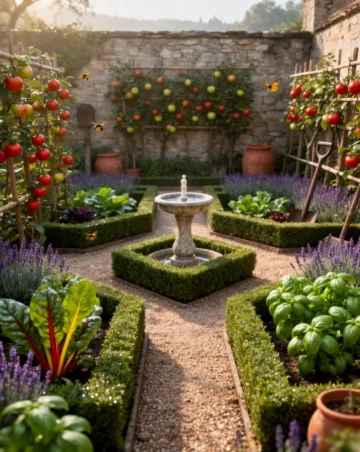
If you’ve ever dreamed of strolling through a garden that looks like a painted masterpiece while providing fresh veggies for the family table, you’re in the right place. A potager garden blends the elegance of ornamental planting with the practicality of a vegetable plot, creating a living tableau that delights the eyes and the palate. Think of it as a french kitchen garden, ornamental vegetable garden that welcomes beginners and offers endless creative possibilities.
Design Principles of a Potager Garden
Layout Basics
Start with a simple, geometric layout—think squares, rectangles, or a series of tidy rows. This structure gives the garden a formal feel while keeping pathways clear for easy maintenance.
- Use raised beds or bordered rows to define spaces.
- Incorporate pathways 30‑45 cm wide for comfortable walking.
- Plan for a focal point such as a trellis, herb spirals, or a sundial.
Balance Between Ornamental and Edible
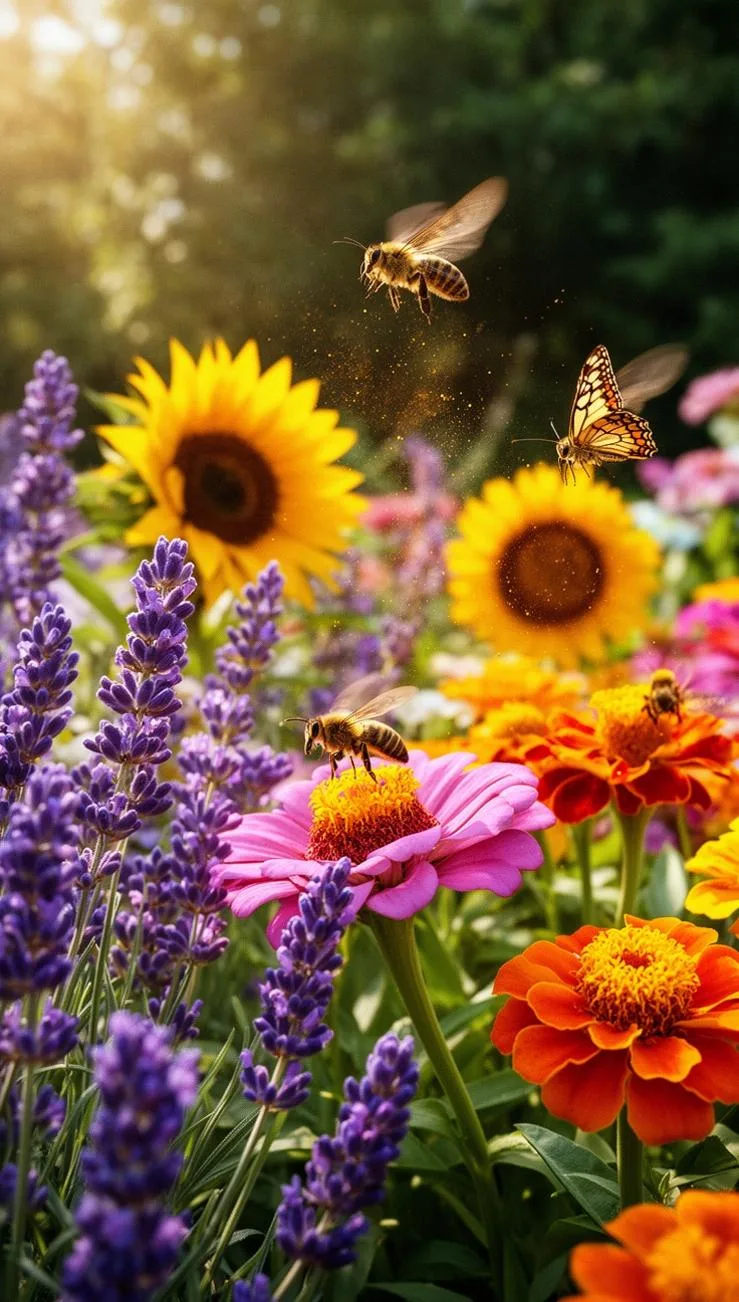
Alternate colorful flowers with leafy greens. The visual contrast allows pollinators to visit while you harvest fresh produce.
- Plant tall, multi‑seasonal perennials (e.g., ornamental kale) behind shorter herbs.
- Use low‑growing lettuce or radish as a “ground cover” between flower clumps.
Choosing the Right Plants
Core Vegetables
Select varieties that are both tasty and attractive:
- Carrots – Choose purple or orange carrots for a splash of colour.
- Swiss Chard – Bright stems add a painterly quality.
- Tomatoes – Bush types fit neatly into bed edges.
Ornamental Add‑Ons
Mix in plants that provide colour, texture, or fragrance:
- Nasturtiums – Edible flowers that trail over the edge of beds.
- Marigolds – Natural pest deterrent and sunny blooms.
- Lavender – Aromatic, attracts beneficial insects.
Step-by-Step Instructions
Follow this practical roadmap to bring your potager garden to life while remembering the charm of a french kitchen garden, ornamental vegetable garden design.
- Site Selection: Choose a sunny spot with at least 6–8 hours of light. Ensure good drainage and easy water access.
- Soil Preparation: Loosen the soil to a depth of 30 cm. Amend with compost (2‑3 inches) and a balanced organic fertilizer.
- Map Your Layout: Sketch the bed dimensions on paper. Mark pathways and the focal element.
- Install Borders: Use timber, stone, or recycled brick to create clean edges.
- Plant in Layers: Begin with perennials and tall vegetables at the back, then medium‑height herbs, and finish with low‑growing greens and groundcovers.
- Irrigation Setup: Drip lines or soaker hoses are efficient and reduce leaf wetness.
- Mulch: Apply organic mulch (straw or shredded bark) to retain moisture and suppress weeds.
- Maintenance Schedule: Water early morning, stake tall plants, and deadhead flowers weekly.
Tips from Experienced Gardeners
- Season‑Long Interest: Plant a succession of crops every 2‑3 weeks.
- Companion Planting: Pair basil with tomatoes to enhance flavour and deter pests.
- Reuse Containers: Turn old barrels into raised beds for a rustic look.
- Harvest Early: Picking leaves regularly encourages new growth.
Common Mistakes to Avoid
- Overcrowding plants – reduces airflow and invites disease.
- Ignoring soil pH – most vegetables prefer a pH of 6.0‑6.8.
- Using excessive fertilizer – can lead to lush foliage but poor fruiting.
- Neglecting rotation – prevents nutrient depletion and soil‑borne pests.
Tools or Materials Needed
- Garden spade or tiller
- Hand trowel and cultivator
- Wood or stone edging material
- Drip irrigation kit
- Compost and organic fertilizer
- Mulch (straw, bark, or leaf mold)
- Garden gloves and kneeling pad
Seasonal or Climate Considerations
Adapt your planting calendar to your local hardiness zone:
- Spring: Start cool‑season greens and early‑blooming flowers.
- Summer: Shift to heat‑tolerant varieties like peppers and summer squash.
- Fall: Plant root crops and brassicas for a late harvest.
- Winter: Protect perennials with cold frames or mulch blankets.
Benefits of This Gardening Method
- Visual Appeal: A well‑designed garden becomes a living work of art.
- Food Production: Fresh, pesticide‑free produce is available at your doorstep.
- Biodiversity: Flowers attract pollinators, improving overall garden health.
- Space Efficiency: Combining edible and decorative plants maximises small garden plots.
Alternative Methods
If a formal layout feels too restrictive, consider these variations:
- Informal Mixed Bed: Curvy borders with a more relaxed planting scheme.
- Vertical Potager: Use trellises and hanging baskets to add depth.
- Container Potager: Ideal for balconies or patios; arrange large pots in a decorative pattern.
Conclusion
Creating a potager garden offers the rewarding blend of beauty and bounty, turning everyday gardening into an artistic pursuit. By applying the principles of a french kitchen garden, ornamental vegetable garden, you’ll enjoy a space that feeds the family, delights the senses, and invites continual learning. Start small, stay patient, and watch your garden evolve into a vibrant, functional masterpiece.
Frequently Asked Questions
1. How large should a beginner’s potager be?
A 2 × 4 meter (6 × 12 ft) layout provides enough room for variety without overwhelming a novice.
2. Can I grow a potager in containers?
Absolutely. Use large, deep pots for root crops and stack smaller containers for herbs and flowers.
3. What are the best low‑maintenance plants for a potager?
Consider kale, chard, rosemary, and thyme—they require minimal care and stay attractive year‑round.
4. How do I keep pests away without chemicals?
Integrate companion plants like marigolds and nasturtiums, employ row covers, and encourage beneficial insects such as ladybugs.
5. When is the optimal time to start planting?
Plant cool‑season crops as soon as the soil can be worked in early spring; warm‑season vegetables wait until after the last frost.