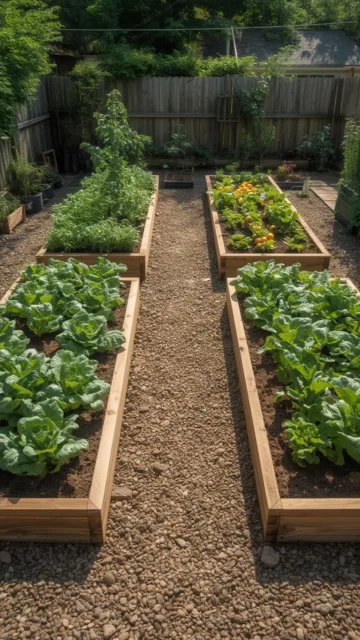
How to Grow a Bountiful Vegetable Garden from Scratch – A Beginner’s Guide
Opening
Ever dreamed of picking fresh tomatoes, crisp lettuce, and sweet carrots right from your own yard? Turning that dream into reality is easier than you think, especially when you start with a solid plan and the right basics. In this article we’ll walk you through everything you need to know to set up a thriving garden space, whether you have a small patch of soil or a larger area to work with. We’ll also explore common pitfalls and share seasoned gardeners’ secrets so you can avoid frustrations and enjoy quick, tasty results.
Getting started with a vegetable garden doesn’t require a professional landscaper—just a little patience, a few tools, and the desire to grow your own food. If you’re looking to transform a corner of your yard into a productive oasis, you’ll also discover how a backyard vegetable plot, home vegetable garden can become a source of pride, nutrition, and relaxation.
Understanding the Basics
Why Grow Your Own Vegetables?
- Freshness: Harvest at peak ripeness for maximum flavor.
- Nutrition: Home‑grown produce often contains higher vitamin levels.
- Cost Savings: Reduce grocery bills by growing staples.
- Environmental Impact: Cut down on transport emissions and packaging.
Choosing the Right Location
Most vegetables need 6–8 hours of direct sunlight daily. Look for a spot with good air flow, easy water access, and soil that drains well. Avoid low‑lying areas that stay soggy after rain.
Soil Foundations
Healthy soil is the heart of any garden. Test the pH (ideal range 6.0‑7.0) and amend with organic matter such as compost, well‑rotted manure, or leaf mold. A simple “soil flip” each season helps keep nutrients balanced.
Step-by-Step Instructions
Follow this clear, actionable roadmap to launch your own productive plot. These steps assume you are starting from an empty area, but you can adapt them to raised beds or containers if needed.
- Plan Your Layout: Sketch a rough map, noting which vegetables will be planted where. Group plants with similar water needs together (e.g., tomatoes and peppers).
- Prepare the Soil: Loosen the top 12‑15 inches, remove rocks, and blend in 2‑3 inches of compost.
- Mark Planting Rows: Use a garden line or string to keep rows straight and spaced correctly—usually 12‑18 inches apart for leafy greens and 24‑36 inches for larger fruiting plants.
- Install Irrigation: A drip‑line or soaker hose saves water and reduces leaf wetness, which helps prevent disease.
- Sow Seeds or Transplant Seedlings: Follow seed packet instructions for depth and spacing. For seedlings, dig a hole slightly larger than the root ball and firm the soil gently.
- Mulch the Beds: Apply a 2‑3 inch layer of straw, shredded leaves, or grass clippings to conserve moisture and suppress weeds.
- Monitor and Feed: Use a balanced organic fertilizer (e.g., 10‑10‑10) every 4‑6 weeks, especially during peak growth.
- Harvest Regularly: Picking mature produce encourages further production and improves flavor.
By following each step you’ll set the stage for a successful vegetable garden that thrives season after season. The same careful planning and execution also applies to a backyard vegetable plot, home vegetable garden, ensuring consistent yields even in limited spaces.
Tips from Experienced Gardeners
- Rotate Crops: Move families (e.g., nightshades, legumes) each year to reduce soil‑borne diseases.
- Companion Planting: Pair basil with tomatoes to deter pests and improve flavor.
- Use Raised Beds: They warm faster in spring and improve drainage.
- Watch the Weather: Early frost warnings mean you should protect seedlings with cloches or row covers.
- Keep a Garden Journal: Track planting dates, varieties, and harvest yields for future planning.
Common Mistakes to Avoid
- Over‑watering: soggy soil rots roots. Water early in the day and let the soil dry slightly between sessions.
- Planting Too Close: Crowded plants compete for light and nutrients, leading to weak growth.
- Ignoring Soil Health: Skipping soil amendments depletes nutrients quickly.
- Using Incompatible Varieties: Choose plants suited to your climate zone (USDA zones 3‑9 for most veg).
- Neglecting Pest Management: Regularly inspect leaves and use organic controls like neem oil or hand‑picking.
Tools or Materials Needed
- Spade or garden fork
- Hoe or hand cultivator
- Soil test kit
- Compost or well‑rotted manure
- Drip irrigation kit or soaker hose
- Mulch (straw, wood chips, or shredded leaves)
- Garden gloves and kneeling pad
- Seed packets or starter seedlings
Seasonal or Climate Considerations
Spring: Start cool‑season crops like peas, lettuce, and radishes as soon as soil can be worked. Warm‑season crops should wait until after the last frost.
Summer: Provide extra water during heat waves, shade delicate greens with a light row cover, and harvest frequently to encourage production.
Fall: Plant a second round of quick‑maturing varieties (e.g., kale, turnips) for a late harvest. Use cold frames to extend the season.
Winter: In milder zones, grow hardy greens under protection. In colder regions, focus on indoor herb gardens or plan for spring.
Benefits of This Gardening Method
- Higher yields per square foot compared to container gardening.
- Improved soil structure over time thanks to organic amendments.
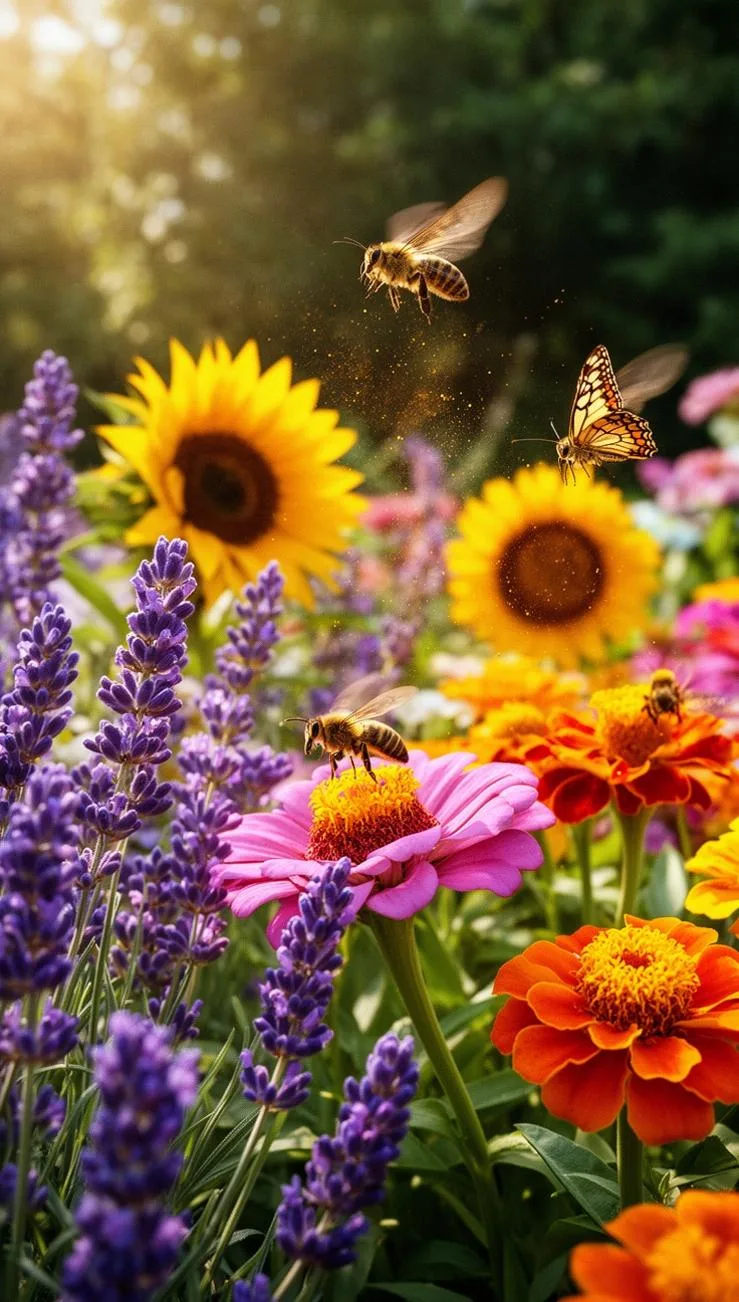
- Greater biodiversity, attracting pollinators and beneficial insects.
- Reduced reliance on grocery store supply chains.
- Therapeutic benefits—gardening reduces stress and promotes mindfulness.
Alternative Methods
If space or soil quality is a challenge, consider these options:
- Raised Bed Gardening: Soil is contained, allowing precise control over composition.
- Vertical Gardening: Use trellises, cages, or pocket planters to grow upward, ideal for beans, peas, and cucumbers.
- Container Gardening: Perfect for balconies or patios; choose deep pots for root‑heavy veggies like carrots.
- Hydroponics: Soil‑free method that can produce fast growth, though it requires more technical setup.
Conclusion
Starting a vegetable garden is a rewarding adventure that brings fresh food, exercise, and a sense of accomplishment right to your doorstep. By selecting the right location, preparing healthy soil, and following a clear planting plan, you can transform any spare yard space into a productive backyard vegetable plot, home vegetable garden. Remember to stay observant, adjust watering, and rotate crops each year—your garden will thank you with abundant harvests for years to come.
Frequently Asked Questions
1. How much sunlight does a vegetable garden need?
Most vegetables thrive with 6–8 hours of direct sunlight per day. Shade‑tolerant crops like lettuce and spinach can manage with 4–5 hours.
2. When is the best time to plant tomatoes?
Plant tomatoes after the last frost date when soil temperatures consistently stay above 60 °F (16 °C). Starting seedlings indoors 6–8 weeks before this date gives a head start.
3. Can I grow vegetables in clay soil?
Yes, but improve drainage by adding coarse sand, compost, and gypsum. Raised beds are also a great way to work around heavy soils.
4. How often should I fertilize my garden?
Apply a balanced organic fertilizer every 4–6 weeks during the active growing season, or side‑dress with compost after each harvest.
5. What are the most low‑maintenance vegetables for beginners?
Consider radishes, bush beans, lettuce, zucchini, and herbs like basil and mint—they grow quickly and require minimal care.