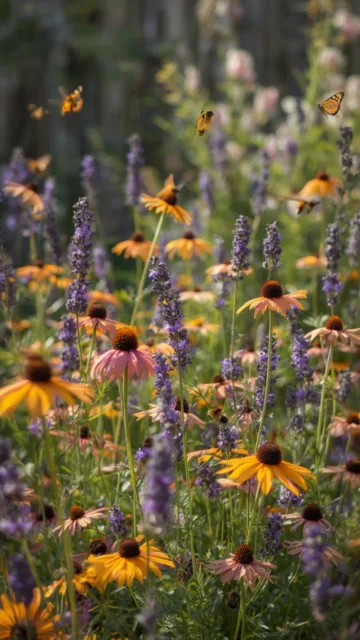
Creating a Vibrant Pollinator Haven in Your Backyard
Opening: Why This Garden Matters
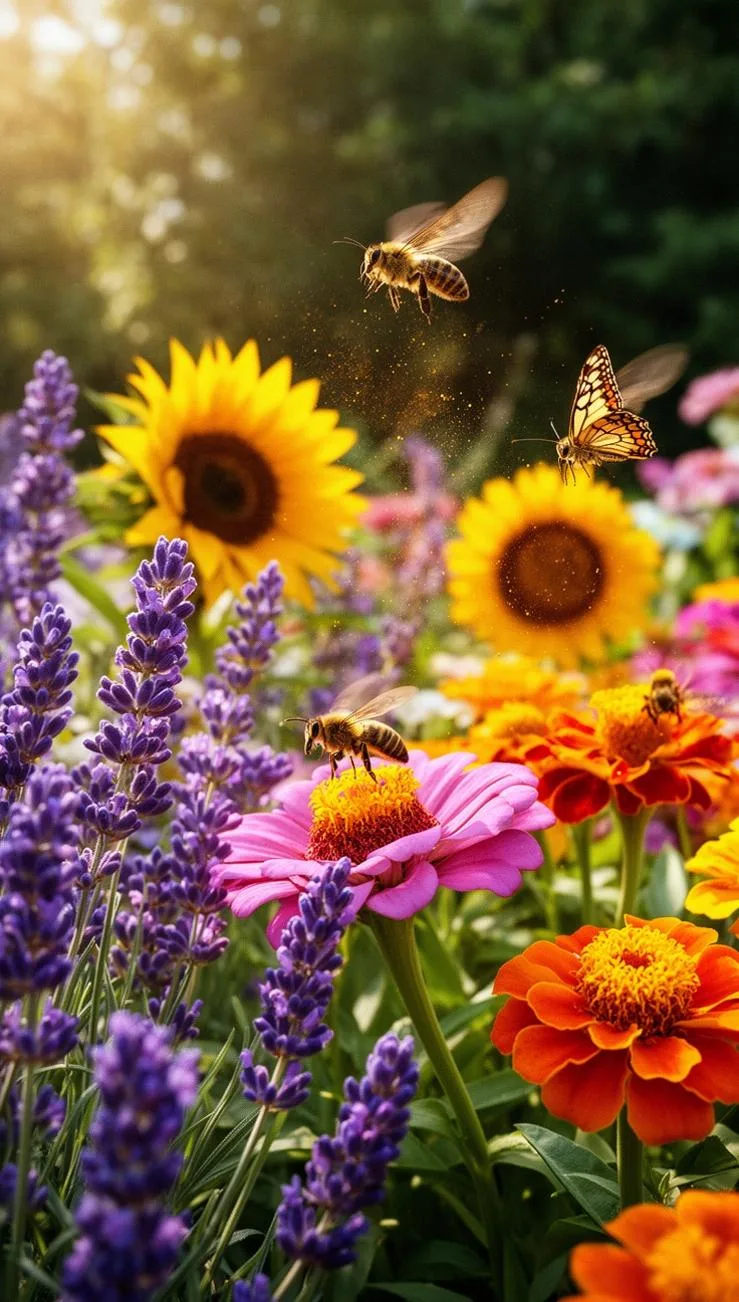
Imagine stepping outside to a burst of color, humming bees, and fluttering butterflies visiting every corner of your yard. A garden designed for these helpers not only beautifies your space but also supports essential ecosystem services. By planting a pollinator garden, you provide food and habitat for insects that boost fruit production and improve plant health. Making your space a bee friendly garden, pollinator plants sanctuary is easier than you think, even for beginners.
Planning Your Space
Assess Sunlight and Soil
- Observe which areas receive full sun (6‑8 hours), partial shade, or full shade.
- Test soil pH; most pollinator‑loving plants thrive in slightly acidic to neutral soil (pH 6.0‑7.0).
- Consider mulching to retain moisture and suppress weeds.
Map Out Flowering Seasons
Aim for continuous bloom from early spring through late fall. Sketch a simple layout showing where early, mid‑season, and late‑season blossoms will go.
Choosing the Right Plants
Native Species First
Native flora are adapted to local climate and attract native pollinators. Examples include:
- Echinacea purpurea (Purple coneflower) – midsummer bloomer with high nectar.
- Asclepias tuberosa (Butterfly milkweed) – bright orange, excellent for monarchs.
- Solidago rugosa (Rough goldenrod) – late‑season gold that keeps bees busy.
Include a Mix of Herbaceous Perennials, Annuals, and Shrubs
Perennials provide reliable returns year after year, while annuals fill gaps and add quick color. Shrubs such as hazelnut (Corylus) offer pollen in early spring.
Step‑by‑Step Instructions
Step 1: Prepare the Site
Clear any existing weeds, turn the soil to a depth of 12‑15 inches, and incorporate compost to improve fertility.
Step 2: Layout Plantings
- Place taller plants at the back or center (if the garden is viewed from all sides).
- Group plants with similar water needs together to simplify irrigation.
- Plant in clusters of at least three to create a more attractive visual target for insects.
Step 3: Plant pollinator garden Members
Follow the spacing guidelines on seed packets—generally 12‑18 inches for perennials and 6‑12 inches for annuals. Press seedlings gently into the soil and water thoroughly.
Step 4: Add Features for Bees
Include a shallow water source, a sunny rock for basking, and a few sticks or a bee house for nesting. Avoid pesticide use.
Step 5: Maintain and Observe
Water during dry spells, deadhead spent blooms to encourage re‑flowering, and mulch annually. Keep track of which insects visit and adjust plant choices over time.
Step 6: Celebrate Your bee friendly garden, pollinator plants Success
Take photos, share on social media, and encourage neighbors to join the effort—your garden becomes a community resource.
Tips from Experienced Gardeners
- Plant in odd numbers (3, 5, 7) for a natural look.
- Use a “bee bath”—a shallow dish with pebbles and water.
- Rotate annuals each year to prevent disease buildup.
- Incorporate scent‑rich herbs like lavender and mint to attract a broader range of pollinators.
Common Mistakes to Avoid
- Over‑watering: Most pollinator‑loving plants prefer well‑drained soil.
- Using Pesticides: Even “bee‑safe” chemicals can harm beneficial insects.
- Planting Too Much Turf: Replace a portion of lawn with flower beds to increase resources.
- Ignoring Seasonal Gaps: Ensure at least one plant blooms in each month.
Tools or Materials Needed
- Garden fork or tiller
- Compost or well‑rotted manure
- Mulch (wood chips or shredded leaves)
- Hand trowel and watering can or drip irrigation kit
- Plant labels for tracking species
Seasonal or Climate Considerations
In cooler climates, start seeds indoors 6‑8 weeks before the last frost and transplant after danger has passed. In hotter regions, provide afternoon shade for heat‑sensitive blooms and water deeply but infrequently to encourage deep root growth.
Benefits of This Gardening Method
- Ecological: Increases biodiversity and supports pollination of nearby crops.
- Economic: Home‑grown fruits and vegetables often yield higher harvests.
- Educational: Provides a living classroom for children and adults.
- Aesthetic: A colorful, dynamic landscape that changes throughout the seasons.
Alternative Methods
If space is limited, consider a vertical pollinator wall using pocket planters or a container bee friendly garden, pollinator plants setup on a balcony. Rooftop gardens can also serve the same purpose, employing lightweight soil mixes and wind‑breaks.
Conclusion
Creating a thriving pollinator garden doesn’t require a master’s degree in horticulture—just a little planning, the right plant selection, and ongoing care. By following the steps above, you’ll transform your yard into a bee friendly garden, pollinator plants oasis that rewards both you and the buzzing community that visits it. Happy gardening!
Frequently Asked Questions
1. How many different pollinator‑friendly species should I plant?
Aim for at least 15‑20 species to provide variety in color, shape, and bloom time.
2. Can I use potted plants instead of in‑ground beds?
Yes—large containers work well on patios or balconies, just ensure they have good drainage.
3. When is the best time to plant perennials for pollinators?
Early spring or early fall allows roots to establish before extreme temperatures.
4. Do I need to feed bees or other pollinators?
No artificial feeding is necessary; a diverse selection of nectar‑rich flowers provides all the nutrition they need.
5. How can I attract solitary bees as well as honeybees?
Include native plants, provide nesting materials like hollow reeds or drilled wood blocks, and avoid heavy pesticide use.